
Decision-stage resources for homeowners comparing storage, solar, and roof readiness
Decision Resources
Decision-stage guides built to push the right next step, not trap people in research.
Use these guides to compare backup options, understand battery fit, and move into a custom energy plan with less friction.
Fit Guide
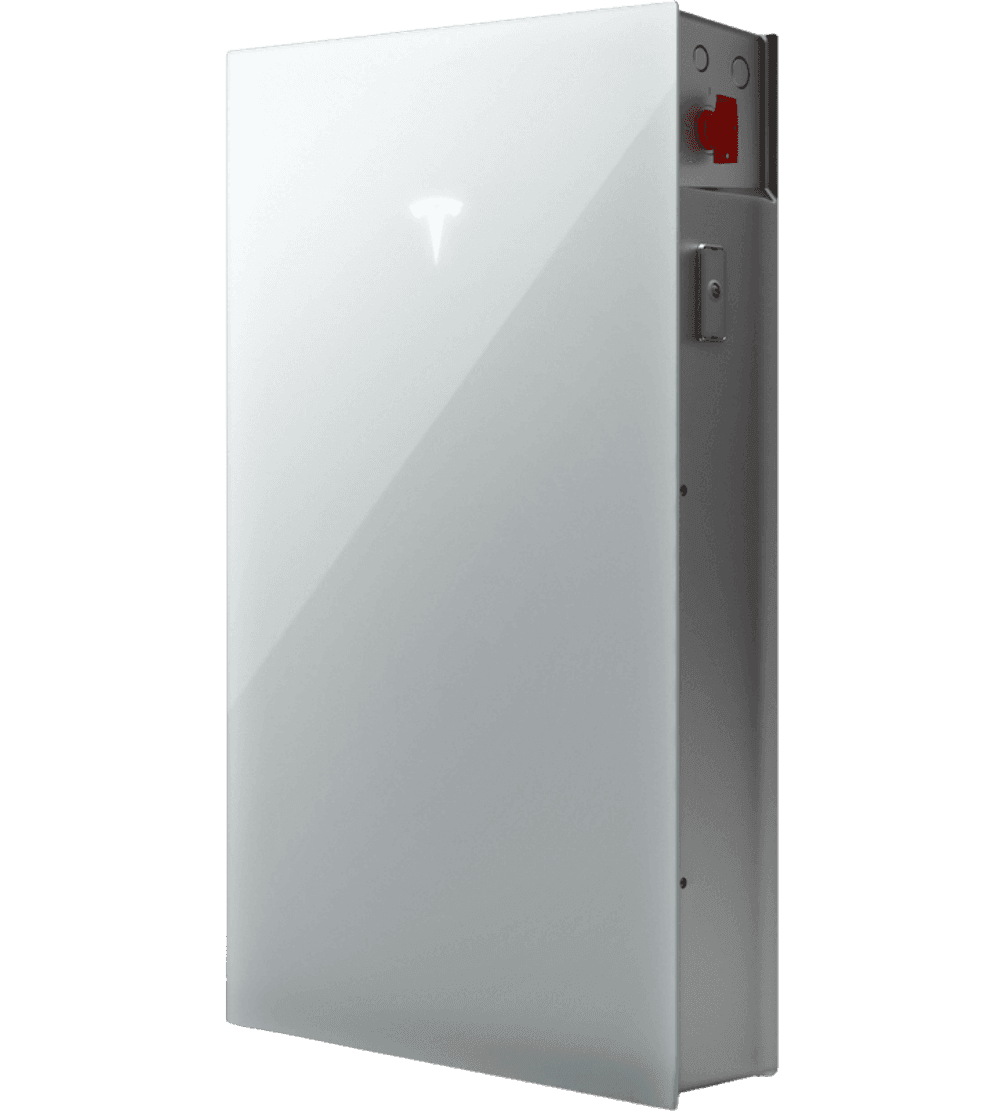
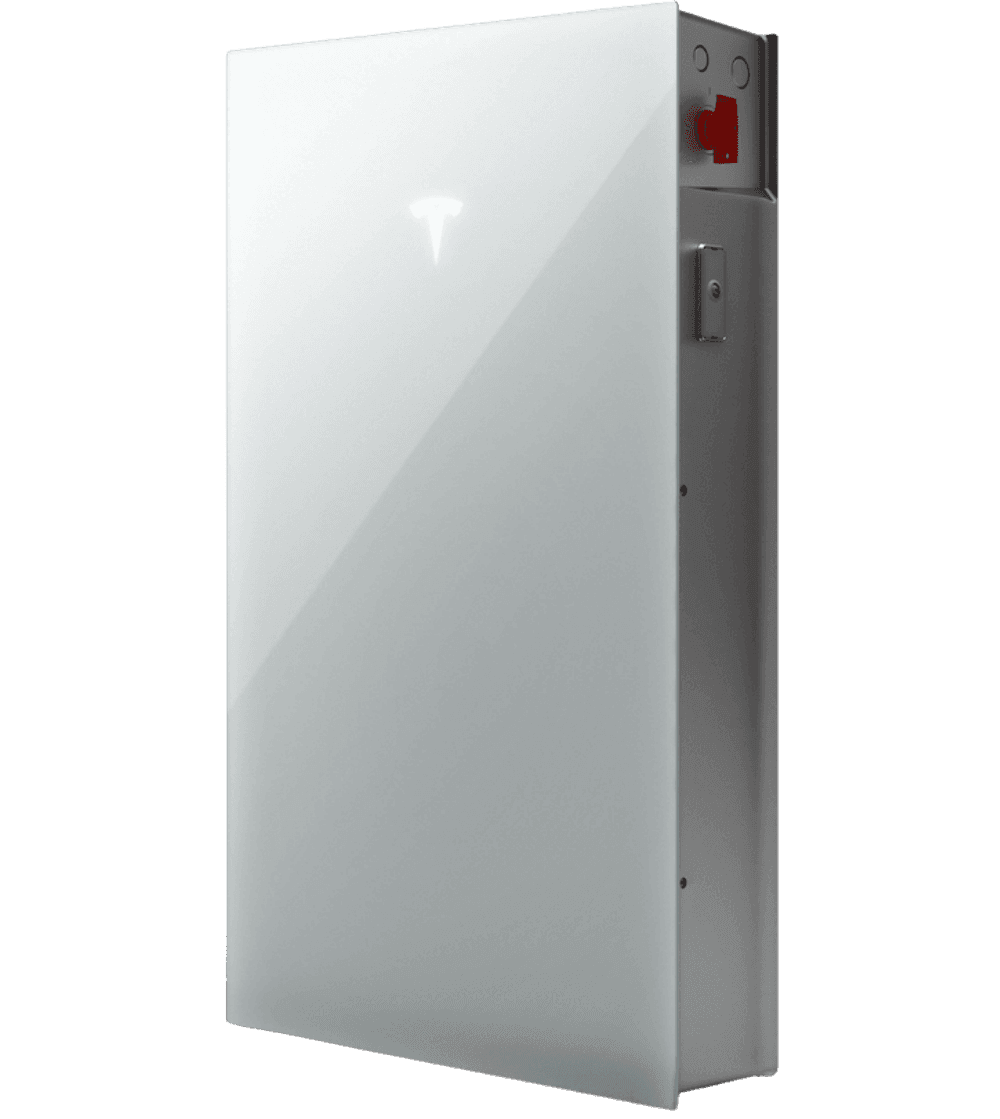
Is Powerwall 3 right for your home depends on outage impact, load profile, and how integrated you want the system to be
Powerwall 3 is a strong fit when the home needs cleaner backup, better daily energy control, or a battery-first path into solar and long-term resilience.
Cost
Powerwall 3 cost in Utah depends on backup scope, electrical fit, and whether solar is included
A real Utah cost estimate depends on battery count, load coverage, electrical conditions, and whether the project is battery-only or solar plus storage.
Chemistry Guide
Powerwall 3 battery chemistry matters because homeowners are really asking about safety, lifespan, and ownership fit
Battery chemistry questions are usually about long-term reliability, safety, and whether the battery is the right fit for backup and daily energy use.
Size Guide
Powerwall 3 battery size and dimensions matter because installation space and wall layout affect the project
Battery size searches are usually install-planning searches about wall space, placement, and whether the home can support the right layout cleanly.
AC-Coupled Guide
Powerwall 3 AC-coupled installation depends on the existing solar setup and the retrofit strategy
AC-coupled searches are usually retrofit-storage searches from homeowners trying to understand how Powerwall 3 fits with existing solar equipment.
Expansion Guide
Powerwall 3 expansion battery planning depends on future loads, outage expectations, and whether one battery is enough
Additional battery and expansion searches usually mean the homeowner is trying to stage the project or decide whether broader backup coverage will be needed later.
App Guide
Powerwall 3 app and monitoring questions are really about visibility, control, and homeowner confidence
App-related searches usually mean the homeowner wants to know how clearly they can monitor the battery, reserve settings, charging behavior, and outage response after installation.
Alternatives Guide
Powerwall 3 alternatives should be compared through system fit, not just brand names
Alternative searches are usually comparison-intent searches from homeowners weighing Tesla against other battery options or even generator-style backup paths.
Gateway Guide
Powerwall 3 backup gateway questions matter because transition quality and backup control depend on them
Backup gateway searches usually mean the homeowner wants to understand how the system transitions during outages and how the backup architecture is being designed.
Decision
Is Powerwall 3 worth it for your home, outage profile, and energy habits
We look at value through resilience, storage behavior, utility pricing, and the role of solar pairing.
Sizing
How many Powerwall 3 batteries you need depends on load profile, backup goals, and solar strategy
Battery count should be based on what the home needs to carry, how long it should carry it, and whether solar is helping recharge the system.
Battery Count
When you need more than one Powerwall 3 comes down to comfort loads, outage duration, and how complete the backup should feel
More than one battery is usually needed when the homeowner wants broader comfort coverage, longer outage support, or a more normal whole-home backup experience.
AC Backup
Can Powerwall 3 run AC depends on startup loads, backup goals, and how the home is designed
Powerwall 3 can support central air in the right design, but AC backup is a load-planning question, not a blanket promise.
Load Guide
What Powerwall 3 can run depends on which loads you protect and how normal you want the home to feel
Powerwall 3 can support a wide range of residential loads, but the useful answer comes from protected-load planning, not a generic list.
Backup Strategy
Whole-home backup battery vs essential circuit backup depends on how calm you want outages to feel
Some homeowners only need critical circuits protected. Others want a broader whole-home experience. The right backup level should be designed around daily life, not generic package tiers.
Utah Outages
Powerwall 3 for Utah winter outages depends on how much comfort, continuity, and outage confidence your home needs
Utah winter outages put more pressure on heating, refrigeration, connectivity, and comfort planning, which is why battery design should start with real cold-weather priorities.
Timeline
How long Powerwall 3 installation takes depends on planning, electrical fit, and whether solar is part of the project
The timeline is shaped by the scope of the project, the home's electrical conditions, permitting, and whether the job is battery-only or integrated with solar.
Lifespan Guide
How long Powerwall 3 lasts depends on system design, usage pattern, and what long-term ownership should feel like
Powerwall 3 is designed as a long-term home energy asset, but useful lifespan should be judged through ownership fit, cycling, and system quality rather than a single number.
Maintenance Guide
Powerwall 3 maintenance and service should feel minimal, but system quality still matters over time
Homeowners should expect a cleaner ownership model than generator-style backup, but service quality still depends on planning, monitoring, and long-term fit.
Installer Guide
What to ask a Powerwall 3 installer before you compare proposals or battery count
The right installer questions should uncover load planning quality, backup strategy, solar fit, roof timing, and whether the proposal is actually designed for your home.
Battery-Only Guide
Do you need solar for Powerwall 3 depends on whether backup or daily production is the priority
Powerwall 3 can be the right fit without solar, but the long-term value story changes when solar is or is not part of the project.
Comparison
Powerwall 3 vs generator comes down to how you want backup to feel
This comparison helps homeowners weigh noise, fuel, daily usability, maintenance, and long-term ownership fit.
Utah Buying Guide
The best battery backup for Utah homes depends on outage goals, daily energy use, and long-term system quality
The best battery backup is the one designed around how your Utah home actually uses power, not the one with the broadest marketing claim.
FAQ
Can Powerwall 3 power a house depends on the loads you want carried during an outage
The right answer requires a circuit-level view of your home, not a one-size-fits-all promise.
System Strategy
Solar + battery vs battery-only depends on whether you need daily energy production or backup first
Some homes need battery-first backup now. Others benefit more from an integrated solar and storage design. The best path depends on timing, roof fit, and energy goals.
Roof Readiness
Do you need a new roof before solar is a timing question and a risk question
The decision depends on roof age, condition, expected lifespan, and how it affects the full battery and solar plan.
Buying Guide Paths
Every guide should help you choose the right next step.
These guides are built to reduce uncertainty, then point you toward the next practical conversation: Powerwall 3, Solar + Battery, or roof-readiness support.
- Backup-comparison and sizing guides connect to Powerwall 3.
- Integrated-system guides connect to Solar + Battery.
- Roof timing guides should feed roof-readiness review.
- Every guide should still point to Get Your Custom Energy Plan as the primary CTA.
Next Step
Move from browsing to a real system plan.
Start with your backup goals, utility exposure, and roof readiness. The right recommendation gets clearer fast once the hierarchy is right.