
How long Powerwall 3 installation takes depends on planning, electrical fit, and whether solar is part of the project

Quick Answer
The short answer
The full timeline depends on planning, electrical fit, and project scope. The actual on-site installation may be relatively short, but the total process includes design, coordination, and commissioning.
Quick Takeaways
- The full project timeline includes planning, install, and commissioning.
- On-site labor is only one part of what determines the schedule.
- Battery-only and integrated projects often move at different speeds.
Trust Check
Before you choose an installer, ask for proof that matches the proposal.
Battery and solar pages should help you judge the company, not just the equipment. A stronger proposal makes local work, credentials, reviews, and handoff responsibilities easy to verify.
Local install proof
Ask to see recent Utah battery or solar-plus-storage work with photos, scope notes, and the type of home the system was designed for.
Credential check
Confirm who is responsible for permitting, electrical work, inspections, commissioning, and any current contractor or electrical license details before approval.
Review trail
Compare recent homeowner reviews, third-party directory profiles, and warranty response expectations alongside the proposal number.
Timeline Basics
The install itself is only one part of the timeline homeowners should care about
When people ask how long Powerwall 3 installation takes, they are often thinking only about how many days the crew is on site. That matters, but it is not the whole timeline. A premium installation also includes fit review, system design, electrical planning, permitting where required, install coordination, commissioning, and homeowner handoff.
That is why the better question is how long it takes to move from first consultation to a live system the homeowner actually understands. A simpler battery-only project may move differently than a larger integrated scope.
- The full project timeline includes planning, install, and commissioning.
- On-site labor is only one part of what determines the schedule.
- Battery-only and integrated projects often move at different speeds.

What Extends the Timeline
Electrical constraints, panel work, permitting, and solar integration are the biggest schedule variables
A straightforward battery project can move efficiently when the electrical fit is clean and the scope is clear. The timeline stretches when the home needs panel coordination, more involved load staging, or a broader solar + battery design that has to be engineered as one system.
Roof timing can matter too. If the project depends on the roof being ready for solar, that question should be handled early through roof-readiness review so the energy install path stays clean instead of getting interrupted later.
- Electrical fit is one of the biggest timeline variables.
- Integrated solar + battery scope usually requires a broader planning window.
- Roof timing should be resolved early if it affects the system path.

Best Next Step
The fastest path is a clear scope, not rushing into the wrong design
The quickest way to lose time is to start with a vague backup goal and then change the scope once design work has already started. The better path is to define outage priorities, battery-only versus integrated scope, and roof or electrical constraints upfront. That usually leads to a cleaner schedule and a better final result.
Homeowners who are still comparing scope should pair this guide with solar + battery vs battery-only so the project path is clearer before timing expectations are set.
- Clear scope usually shortens the project more than artificial speed does.
- Start with a defined energy plan before asking for a final timeline promise.
FAQ
Straight answers before you move into a custom energy plan.
How long does Powerwall 3 installation usually take?
The full timeline depends on planning, electrical fit, and project scope. The actual on-site installation may be relatively short, but the total process includes design, coordination, and commissioning.
Does adding solar make the timeline longer?
Usually yes, because the project becomes a broader integrated system rather than a narrower battery-only install. The upside is a more complete long-term energy design when that scope is appropriate.
Can roof work affect the battery installation schedule?
Yes. If roof-readiness affects whether solar can be included or whether the long-term system path is clean, it should be reviewed early so the schedule does not get disrupted later.
Related Guides
Keep moving through the buying questions that shape the right system.
These next guides are paired to help readers move from one objection into a clearer Powerwall 3 decision.
Battery-Only Guide
Do you need solar for Powerwall 3 depends on whether backup or daily production is the priority
Powerwall 3 can be the right fit without solar, but the long-term value story changes when solar is or is not part of the project.
System Comparison
Solar + battery vs battery-only depends on whether you need daily energy production or backup first
Some homes need battery-first backup now. Others benefit more from an integrated solar and storage design. The best path depends on timing, roof fit, and energy goals.
Installer Guide
What to ask a Powerwall 3 installer before you compare proposals or battery count
The right installer questions should uncover load planning quality, backup strategy, solar fit, roof timing, and whether the proposal is actually designed for your home.
Decision Guides
Use these guides to answer the next practical question before you request a proposal.
Next Step
See All Resources
Browse the full decision library when you want more context first.
See All ResourcesCore Services
Start with the home. Add battery, solar, and roof work only where they make the project stronger.
Service
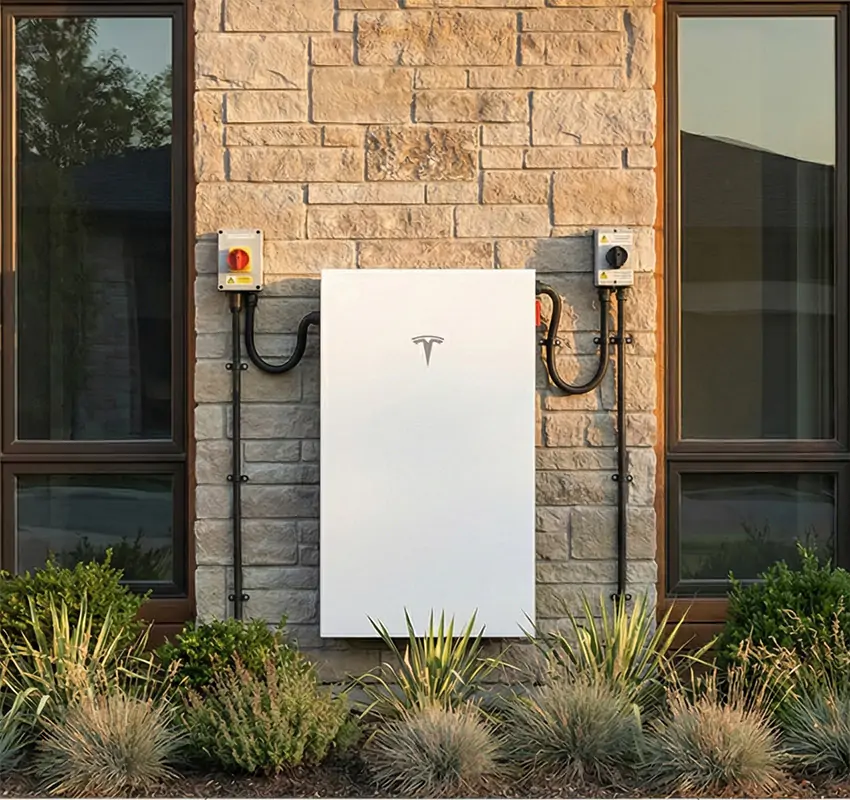
Powerwall 3 Installation
Battery-first planning for backup power, resilience, and smarter long-term energy control.
Service
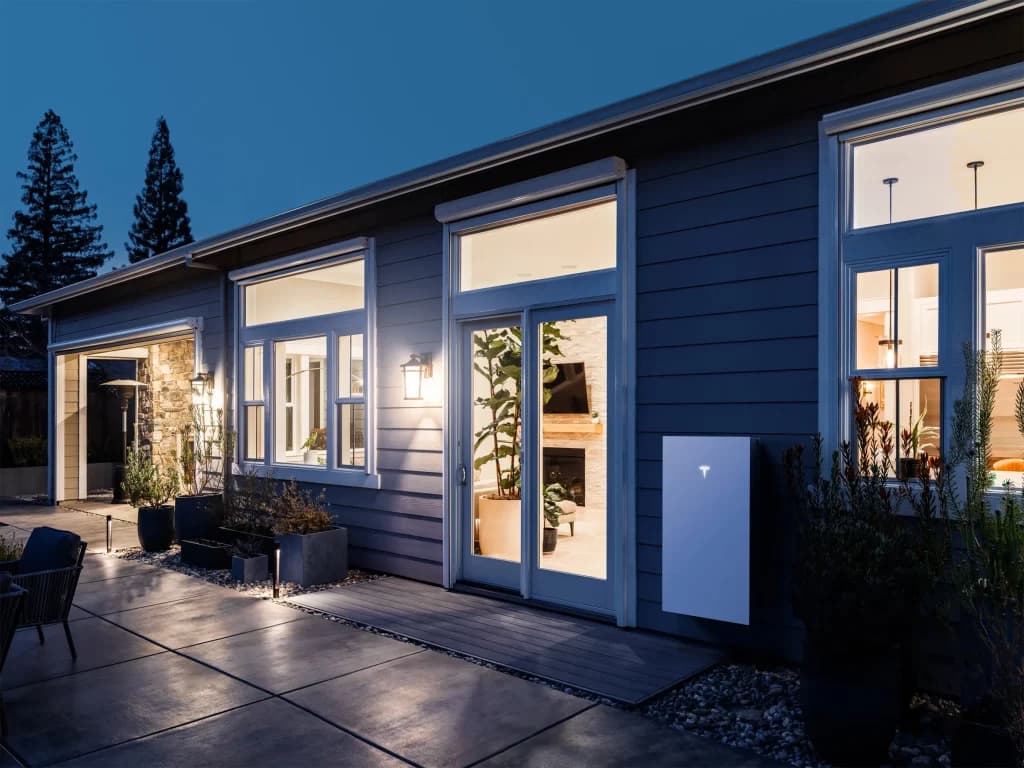
Solar + Powerwall Systems
Integrated solar sizing and storage strategy designed as one coordinated system.

Service
Roofing for Solar Readiness
Roof review and upgrade planning when the project needs it before solar moves forward.
Next Step
Move from browsing to a real system plan.
Start with your backup goals, utility exposure, and roof readiness. The right recommendation gets clearer fast once the hierarchy is right.