
How long Powerwall 3 lasts depends on system design, usage pattern, and what long-term ownership should feel like
Quick Answer
The short answer
Yes. It should be viewed as a long-term residential energy asset, but the practical ownership experience depends on how well the system is designed for the home and how the battery is used over time.
Quick Takeaways
- Lifespan should be judged through long-term ownership fit, not just a headline number.
- System design and usage pattern both influence how the battery performs over time.
- A battery-first design usually protects long-term value better than improvised scope.
Trust Check
Before you choose an installer, ask for proof that matches the proposal.
Battery and solar pages should help you judge the company, not just the equipment. A stronger proposal makes local work, credentials, reviews, and handoff responsibilities easy to verify.
Local install proof
Ask to see recent Utah battery or solar-plus-storage work with photos, scope notes, and the type of home the system was designed for.
Credential check
Confirm who is responsible for permitting, electrical work, inspections, commissioning, and any current contractor or electrical license details before approval.
Review trail
Compare recent homeowner reviews, third-party directory profiles, and warranty response expectations alongside the proposal number.
Core Answer
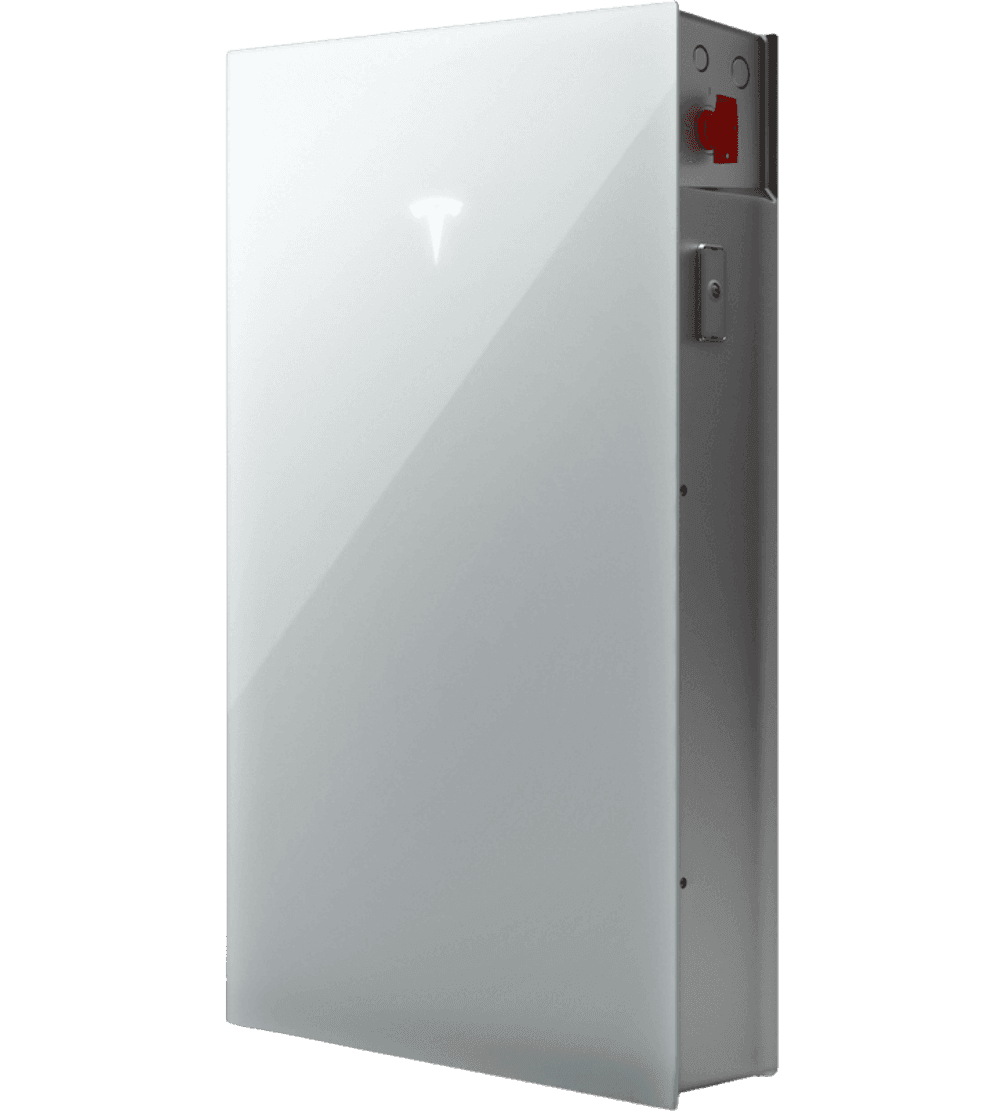
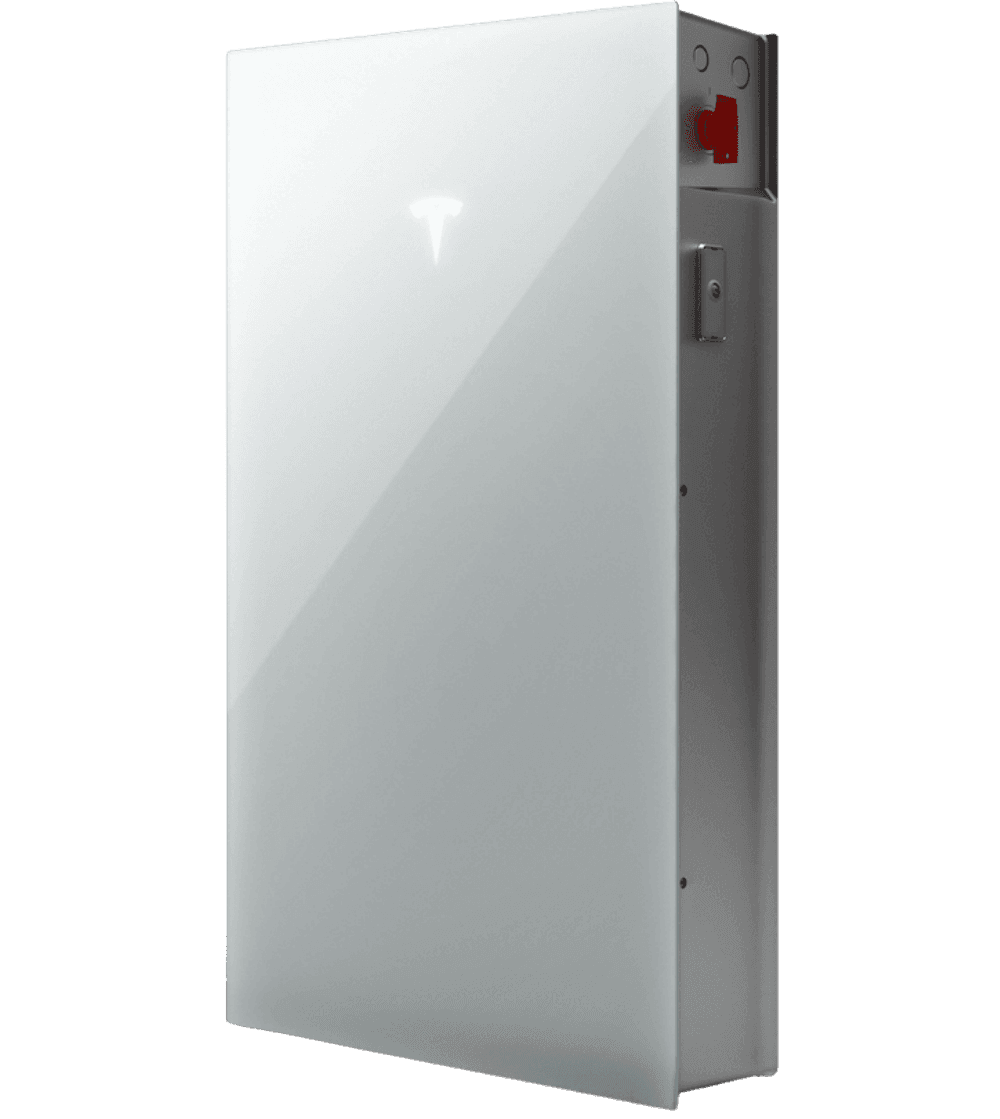
Powerwall 3 should be viewed as a long-term system asset, not a short-term backup gadget
When homeowners ask how long Powerwall 3 lasts, they are usually trying to understand whether the system will still feel like a smart investment years from now. That is the right question. A home battery is not valuable because it exists on the wall. It is valuable because it performs reliably over time and continues to fit the home's energy goals.
The most useful way to think about lifespan is through ownership quality: how the battery is cycled, whether it is part of a coherent system design, and whether the install was built for long-term use instead of a rushed sale. A premium battery should feel like durable infrastructure, not disposable equipment.
- Lifespan should be judged through long-term ownership fit, not just a headline number.
- System design and usage pattern both influence how the battery performs over time.
- A battery-first design usually protects long-term value better than improvised scope.
What Affects Lifespan
Cycling behavior, load planning, and integrated system quality all shape the real ownership outcome
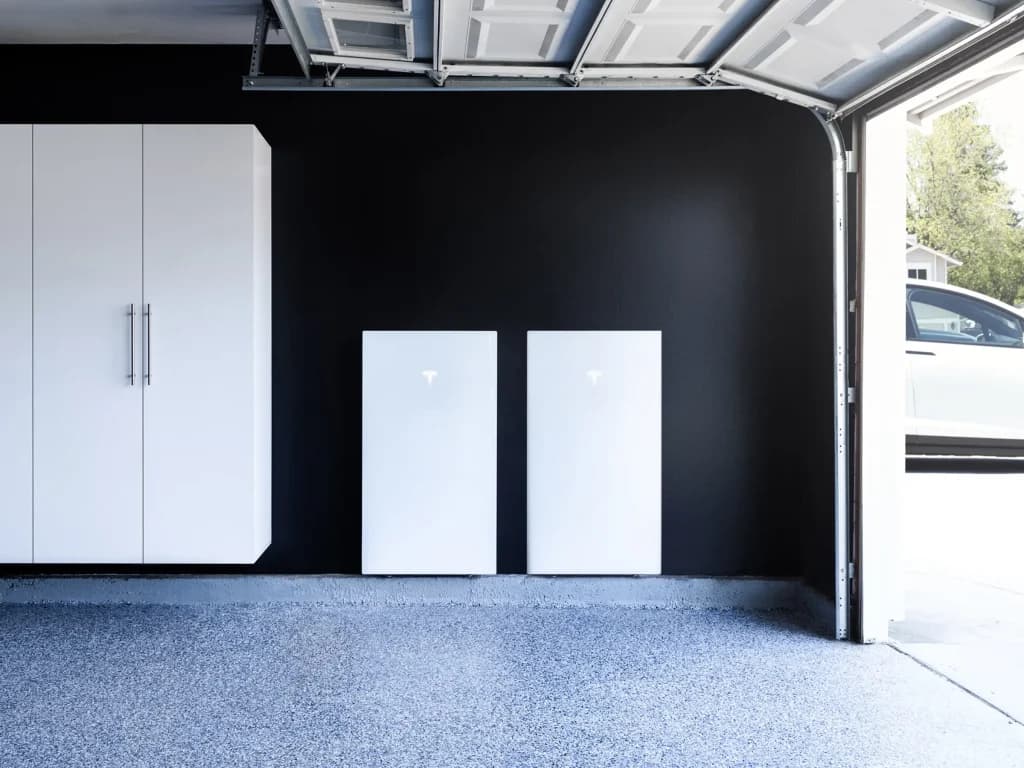
A battery that is installed into a thoughtful system and used in a way that matches the home's goals is more likely to feel like a strong long-term asset. That is why load planning matters so much. If the homeowner expects the battery to behave one way but the protected-load design forces it into another, the ownership experience starts to feel mismatched even if the hardware is still operating.
This is also why the solar question matters. In a strong solar + battery system, the battery is often doing more than waiting for outages. It becomes part of the home's daily energy strategy, which can make the investment feel more justified over a long ownership window.
- Real ownership value depends on design fit, not just hardware durability.
- Daily-use strategy can make the system feel more worthwhile over time.
- The right battery should still fit the home years after installation, not only on day one.
Best Next Step
Judge lifespan through long-term system fit before you judge it through a generic warranty-style question
The better next step is to ask whether the system is being designed for the way your home uses power, whether solar belongs in the project, and whether the battery count matches your real expectations. That is what turns lifespan from a vague concern into a useful ownership decision.
Homeowners who are also comparing cost should pair this with Powerwall 3 cost in Utah so the conversation stays grounded in value over time rather than just the upfront number.
- Use lifespan as part of a bigger value conversation.
- Compare long-term ownership quality, not just upfront price or abstract duration.
FAQ
Straight answers before you move into a custom energy plan.
Is Powerwall 3 designed to last for many years?
Yes. It should be viewed as a long-term residential energy asset, but the practical ownership experience depends on how well the system is designed for the home and how the battery is used over time.
Does solar affect how useful the battery feels over time?
Often yes. Solar can make the battery more valuable as a daily-use energy asset instead of only an outage product, which can strengthen the long-term ownership case.
Should I judge lifespan separately from system fit?
No. A battery can still be the wrong long-term choice if the load plan, backup expectations, or broader energy strategy were not designed well from the start.
Related Guides
Keep moving through the buying questions that shape the right system.
These next guides are paired to help readers move from one objection into a clearer Powerwall 3 decision.
Maintenance Guide
Powerwall 3 maintenance and service should feel minimal, but system quality still matters over time
Homeowners should expect a cleaner ownership model than generator-style backup, but service quality still depends on planning, monitoring, and long-term fit.
Worth It Guide
Is Powerwall 3 worth it for your home, outage profile, and energy habits
We look at value through resilience, storage behavior, utility pricing, and the role of solar pairing.
Cost Guide
Powerwall 3 cost in Utah depends on backup scope, electrical fit, and whether solar is included
A real Utah cost estimate depends on battery count, load coverage, electrical conditions, and whether the project is battery-only or solar plus storage.
Decision Guides
Use these guides to answer the next practical question before you request a proposal.
Next Step
See All Resources
Browse the full decision library when you want more context first.
See All ResourcesGuide library
Core Services
Start with the home. Add battery, solar, and roof work only where they make the project stronger.
Service
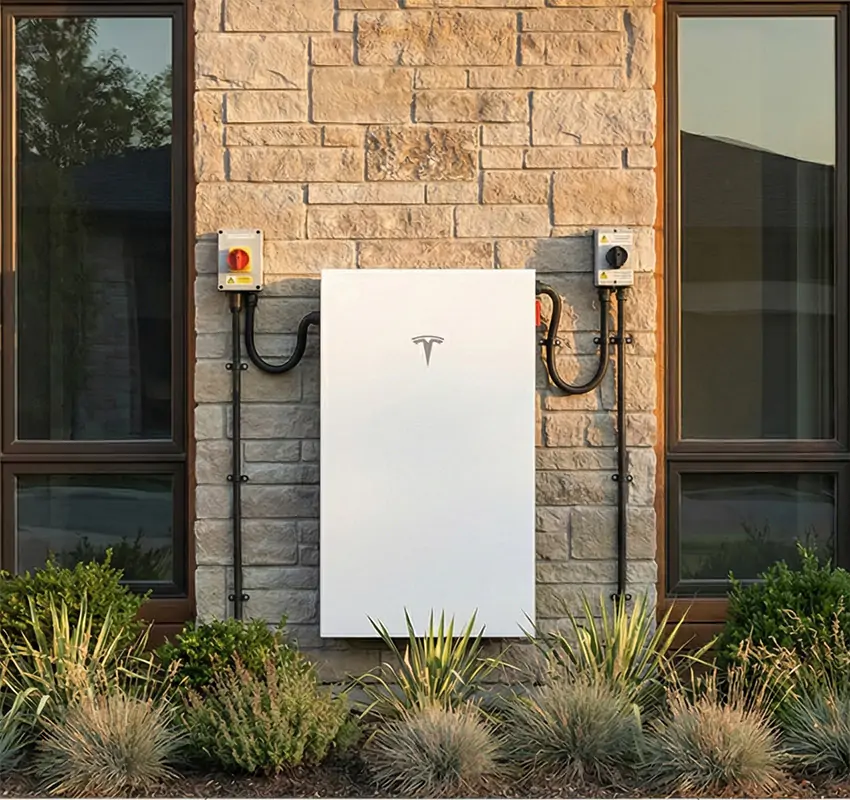
Powerwall 3 Installation
Battery-first planning for backup power, resilience, and smarter long-term energy control.
Service
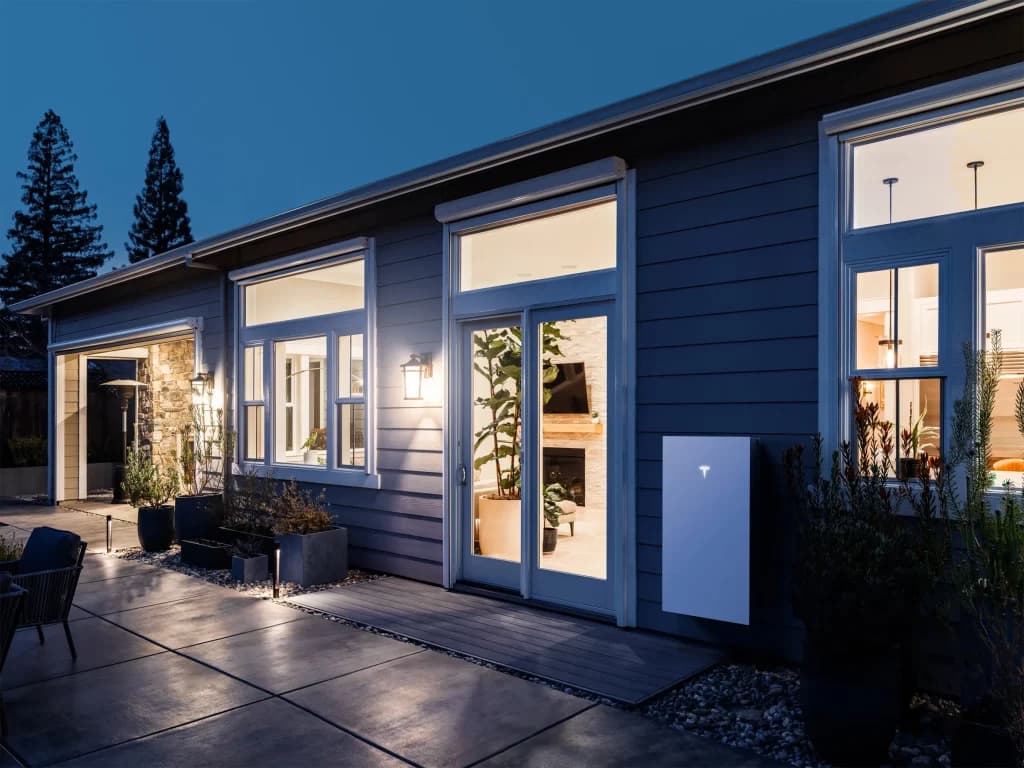
Solar + Powerwall Systems
Integrated solar sizing and storage strategy designed as one coordinated system.
Service
Roofing for Solar Readiness
Roof review and upgrade planning when the project needs it before solar moves forward.
Next Step
Move from browsing to a real system plan.
Start with your backup goals, utility exposure, and roof readiness. The right recommendation gets clearer fast once the hierarchy is right.