
Roofing for solar in Utah with roof-ready planning for premium battery and solar installs

Quick Answer
What matters most first?
Usually when roof age, roof condition, or remaining roof life could interfere with a long-term battery and solar installation. The roof should be cleared early if it could become the weak point in the project.
Quick Takeaways
- Roofing stays secondary to the battery and solar strategy.
- Roof timing should be resolved before long-term hardware is installed.
- A solar-ready roof keeps the energy project cleaner over time.
Trust Check
Before you choose an installer, ask for proof that matches the proposal.
Battery and solar pages should help you judge the company, not just the equipment. A stronger proposal makes local work, credentials, reviews, and handoff responsibilities easy to verify.
Local install proof
Ask to see recent Utah battery or solar-plus-storage work with photos, scope notes, and the type of home the system was designed for.
Credential check
Confirm who is responsible for permitting, electrical work, inspections, commissioning, and any current contractor or electrical license details before approval.
Review trail
Compare recent homeowner reviews, third-party directory profiles, and warranty response expectations alongside the proposal number.
Roof-Ready Solar
Roofing for solar is about protecting the long-term energy investment, not creating a side sale
Roof-ready solar planning matters when the roof could become the weak point in a 25-year energy decision. If the home is moving toward solar + battery installation, the roof should be evaluated early so the larger system does not get interrupted by avoidable structural timing issues later.
The goal is simple: if the roof is ready, the project stays focused on energy hardware. If it is not, the roof issue gets solved before premium equipment is locked into the home.
- Roofing stays secondary to the battery and solar strategy.
- Roof timing should be resolved before long-term hardware is installed.
- A solar-ready roof keeps the energy project cleaner over time.

Assessment
A solar roof assessment should clarify remaining roof life, condition, and whether the home is ready now
Homeowners searching for roofing for solar, solar roof assessment, or solar ready roofing usually want one answer: is the roof actually ready for the project? That requires more than a glance. It should connect roof age, condition, and expected lifespan to the full battery and solar timeline.
If the roof can support the project, that clarity prevents overscoping. If it cannot, handling the roof first protects the economics of the larger system.
- Confirm whether the roof can support the system lifespan.
- Avoid rework by resolving roof timing before the array is installed.
- Use the assessment to keep the energy scope technically honest.

Next Step
Use a roof inspection for solar before you lock the final system path
The cleanest next step is a roof inspection that feeds directly into the battery and solar recommendation. That keeps roofing in the right supporting role while protecting the long-term quality of the install.
- Start with a roof-readiness review, not a roofing upsell.
- Keep the battery-first energy hierarchy intact.
- Move into the final system scope with fewer late surprises.
FAQ
Straight answers before you move into a custom energy plan.
When do you need roofing for solar in Utah?
Usually when roof age, roof condition, or remaining roof life could interfere with a long-term battery and solar installation. The roof should be cleared early if it could become the weak point in the project.
What is a solar roof assessment?
A solar roof assessment reviews roof condition and timing in the context of the planned energy system so the homeowner knows whether the roof can support the lifespan of the project.
Should I get a roof inspection before installing solar and battery equipment?
Yes, if there is any real question about roof condition or timing. Solving that early helps keep the larger energy plan cleaner and more defensible.
Roof Readiness And Install Coordination
Check roof timing early when it could affect a long-term solar or battery installation.
Next Step
Check Roof Readiness
Resolve roof risk before solar and battery scope is finalized.
Check Roof ReadinessRoof-readiness support
Roof decision guide
Core Services
Start with the home. Add battery, solar, and roof work only where they make the project stronger.
Service
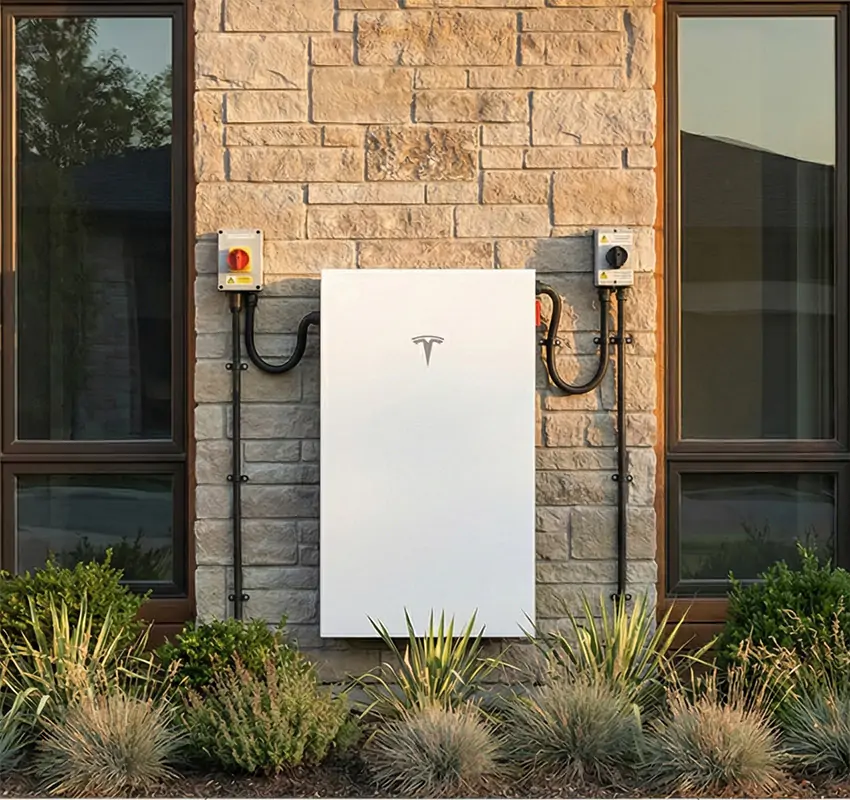
Powerwall 3 Installation
Battery-first planning for backup power, resilience, and smarter long-term energy control.
Service
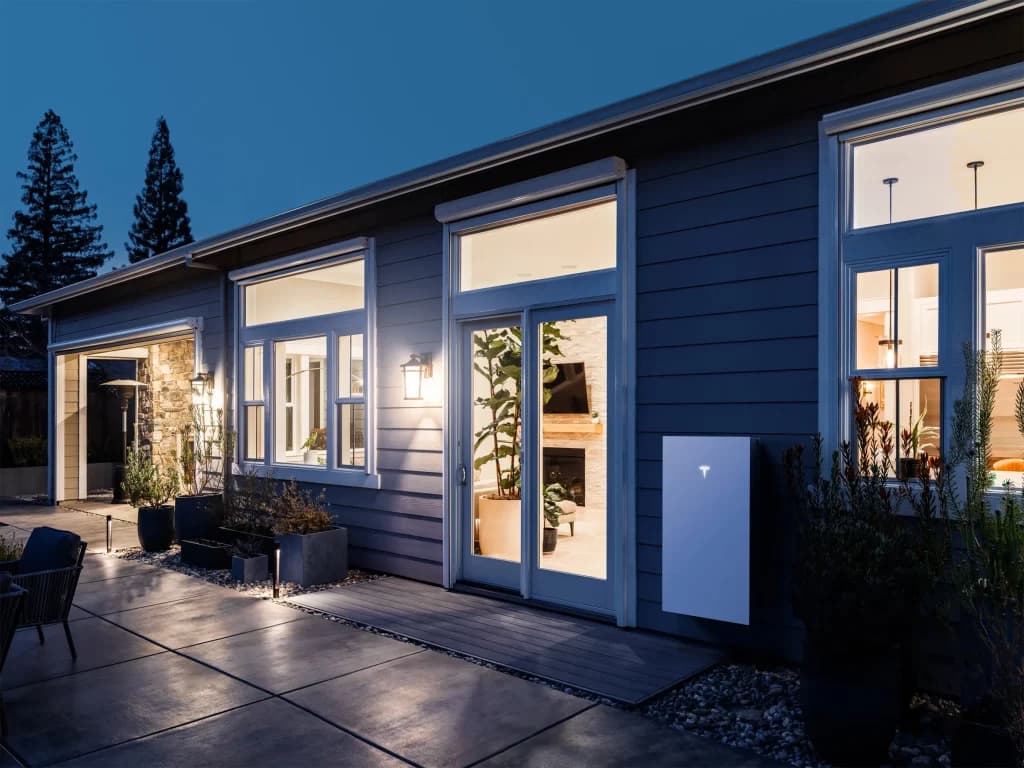
Solar + Powerwall Systems
Integrated solar sizing and storage strategy designed as one coordinated system.

Service
Roofing for Solar Readiness
Roof review and upgrade planning when the project needs it before solar moves forward.
Next Step
Move from browsing to a real system plan.
Start with your backup goals, utility exposure, and roof readiness. The right recommendation gets clearer fast once the hierarchy is right.