
Powerwall 3 expansion battery planning depends on future loads, outage expectations, and whether one battery is enough



Quick Answer
The short answer
Usually because they want flexibility: enough backup to start now, with room to expand later if comfort loads or outage expectations grow.
Quick Takeaways
- Expansion questions usually reflect staging and flexibility intent.
- The right first battery plan should still make sense if the project grows later.
- Future HVAC, comfort loads, and outage expectations are major expansion drivers.
Trust Check
Before you choose an installer, ask for proof that matches the proposal.
Battery and solar pages should help you judge the company, not just the equipment. A stronger proposal makes local work, credentials, reviews, and handoff responsibilities easy to verify.
Local install proof
Ask to see recent Utah battery or solar-plus-storage work with photos, scope notes, and the type of home the system was designed for.
Credential check
Confirm who is responsible for permitting, electrical work, inspections, commissioning, and any current contractor or electrical license details before approval.
Review trail
Compare recent homeowner reviews, third-party directory profiles, and warranty response expectations alongside the proposal number.
Why Expansion Comes Up
Add-on battery questions usually mean the homeowner wants flexibility instead of overcommitting on day one
People searching for a Powerwall 3 additional battery, add-on battery, or battery expansion path are usually deciding whether to start smaller and preserve room for a broader backup strategy later. That is a disciplined question. Expansion should be planned intentionally so the first installation still feels coherent if the home grows into more coverage, more comfort loads, or longer outage expectations.
The cleanest expansion plan starts by deciding what one battery is supposed to do now. Once that answer is clear, the installer can judge whether a staged second battery path makes sense or whether the home should start broader from the beginning.
- Expansion questions usually reflect staging and flexibility intent.
- The right first battery plan should still make sense if the project grows later.
- Future HVAC, comfort loads, and outage expectations are major expansion drivers.

Best Next Step
Decide what the first battery is solving before you decide how expansion should work
The best next step is to define the current protected-load plan, future electrical growth, and how normal the home should feel during outages. That makes it easier to judge whether a staged expansion battery path is wise or whether the project should be sized more completely now.
- Start with the current backup goal before choosing an expansion path.
- Future-proofing works best when the original system layout is planned correctly.

FAQ
Straight answers before you move into a custom energy plan.
Why do homeowners search for a Powerwall 3 add-on battery?
Usually because they want flexibility: enough backup to start now, with room to expand later if comfort loads or outage expectations grow.
Should expansion be planned during the first installation?
Yes. Even if the homeowner starts with one battery, the original placement, gateway strategy, and electrical layout should preserve a clean path for expansion if that is likely later.
Decision Guides
Use these guides to answer the next practical question before you request a proposal.
Next Step
See All Resources
Browse the full decision library when you want more context first.
See All ResourcesGuide library
Core Services
Start with the home. Add battery, solar, and roof work only where they make the project stronger.
Service
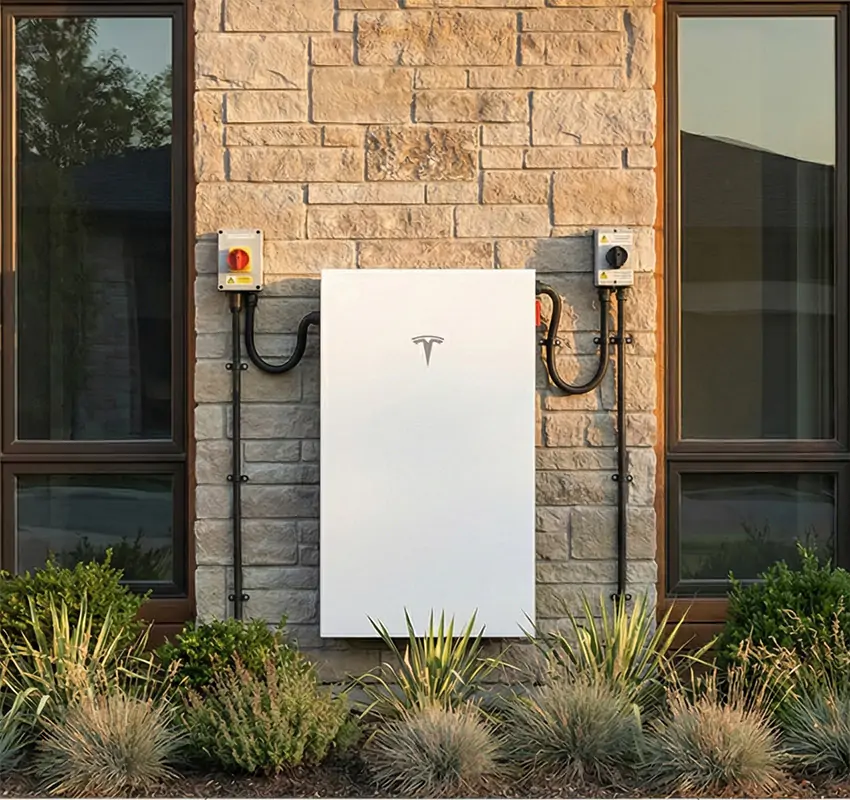
Powerwall 3 Installation
Battery-first planning for backup power, resilience, and smarter long-term energy control.
Service
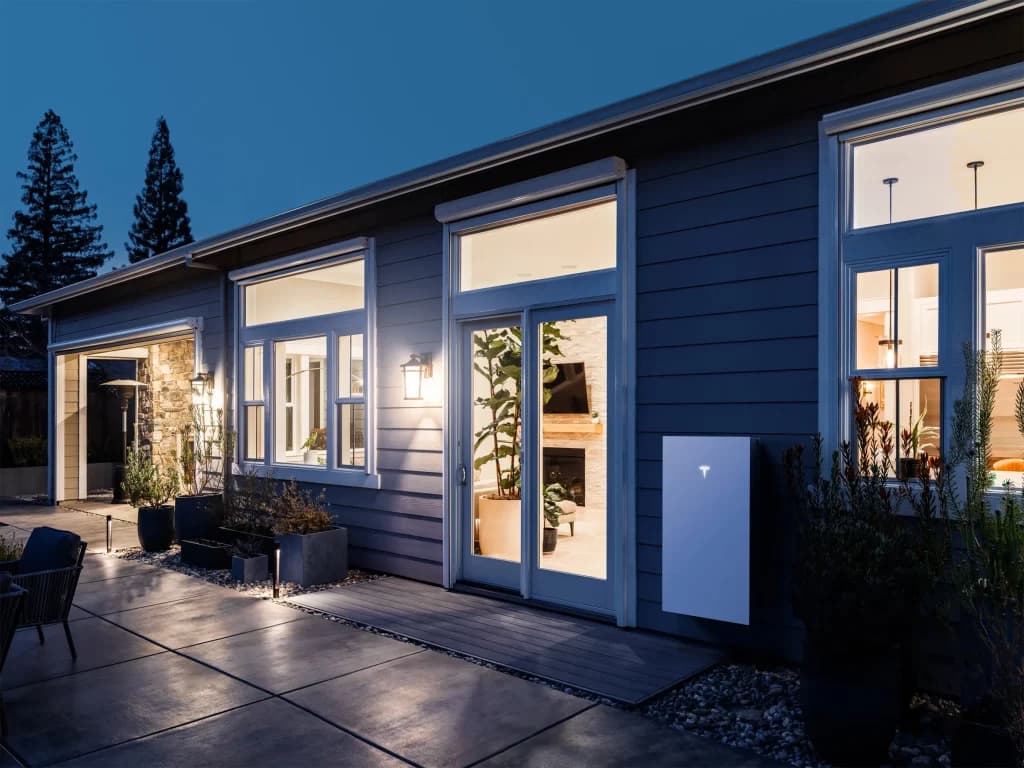
Solar + Powerwall Systems
Integrated solar sizing and storage strategy designed as one coordinated system.

Service
Roofing for Solar Readiness
Roof review and upgrade planning when the project needs it before solar moves forward.
Next Step
Move from browsing to a real system plan.
Start with your backup goals, utility exposure, and roof readiness. The right recommendation gets clearer fast once the hierarchy is right.