
Powerwall 3 AC-coupled installation depends on the existing solar setup and the retrofit strategy
Quick Answer
The short answer
Usually because they already have solar and want to understand whether storage can be added cleanly without rebuilding the whole system.
Quick Takeaways
- AC-coupled questions usually come from retrofit-storage intent.
- Existing equipment and outage goals decide whether the path makes sense.
- The cleanest storage recommendation depends on system context, not just product capability.
Trust Check
Before you choose an installer, ask for proof that matches the proposal.
Battery and solar pages should help you judge the company, not just the equipment. A stronger proposal makes local work, credentials, reviews, and handoff responsibilities easy to verify.
Local install proof
Ask to see recent Utah battery or solar-plus-storage work with photos, scope notes, and the type of home the system was designed for.
Credential check
Confirm who is responsible for permitting, electrical work, inspections, commissioning, and any current contractor or electrical license details before approval.
Review trail
Compare recent homeowner reviews, third-party directory profiles, and warranty response expectations alongside the proposal number.
Retrofit Question
AC-coupled research usually means the homeowner is trying to add storage to an existing system
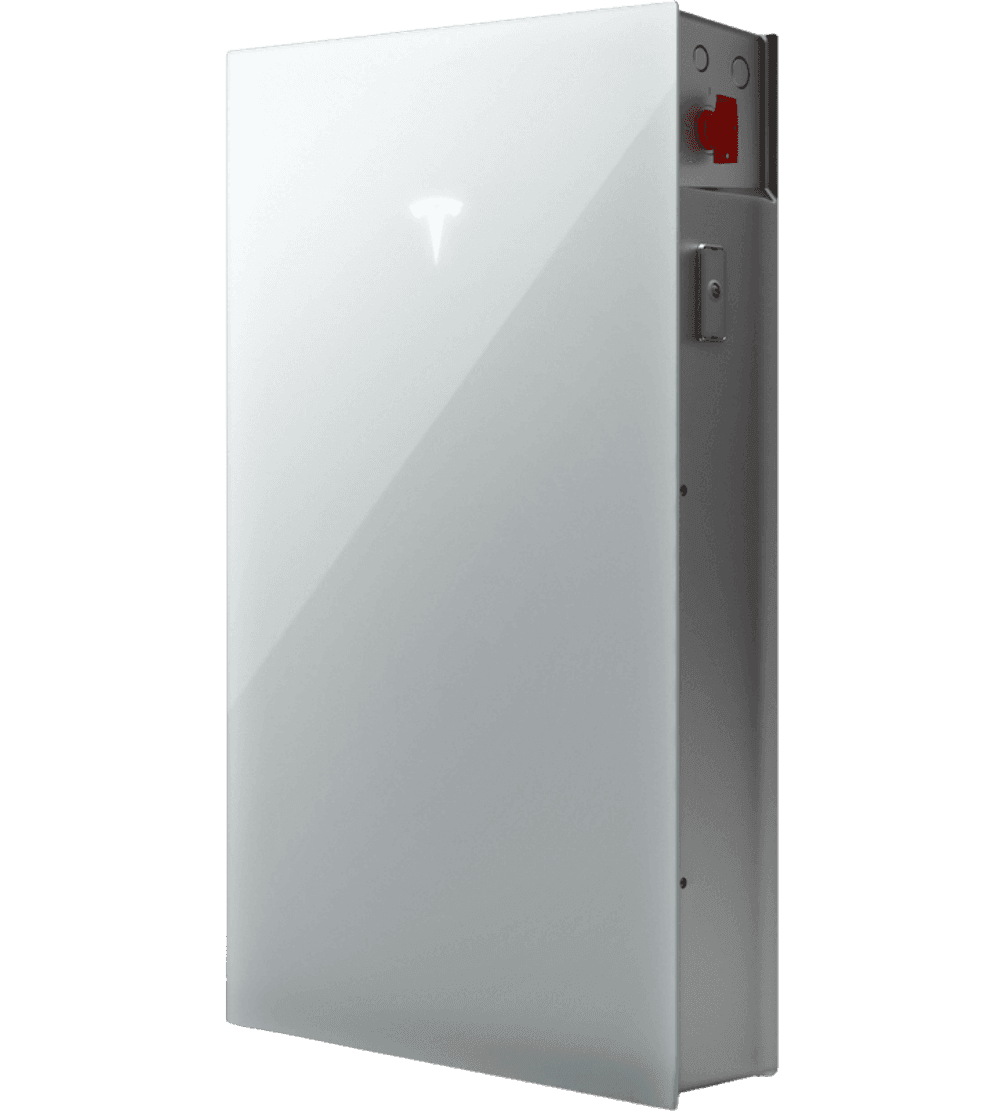
AC-coupled Powerwall 3 questions often come from homeowners who already have solar or are planning around an existing inverter setup. The real question is not whether AC-coupling exists in the abstract. It is whether the current equipment, panel layout, and backup goals make that path the cleanest way to add storage.
That is why AC-coupled planning should be treated like a retrofit design problem. The right answer depends on what is already installed, what the homeowner expects during outages, and whether a battery-only add-on is better than a broader equipment redesign.
- AC-coupled questions usually come from retrofit-storage intent.
- Existing equipment and outage goals decide whether the path makes sense.
- The cleanest storage recommendation depends on system context, not just product capability.
Best Next Step
Use AC-coupled research to decide whether the home needs retrofit storage or a broader redesign
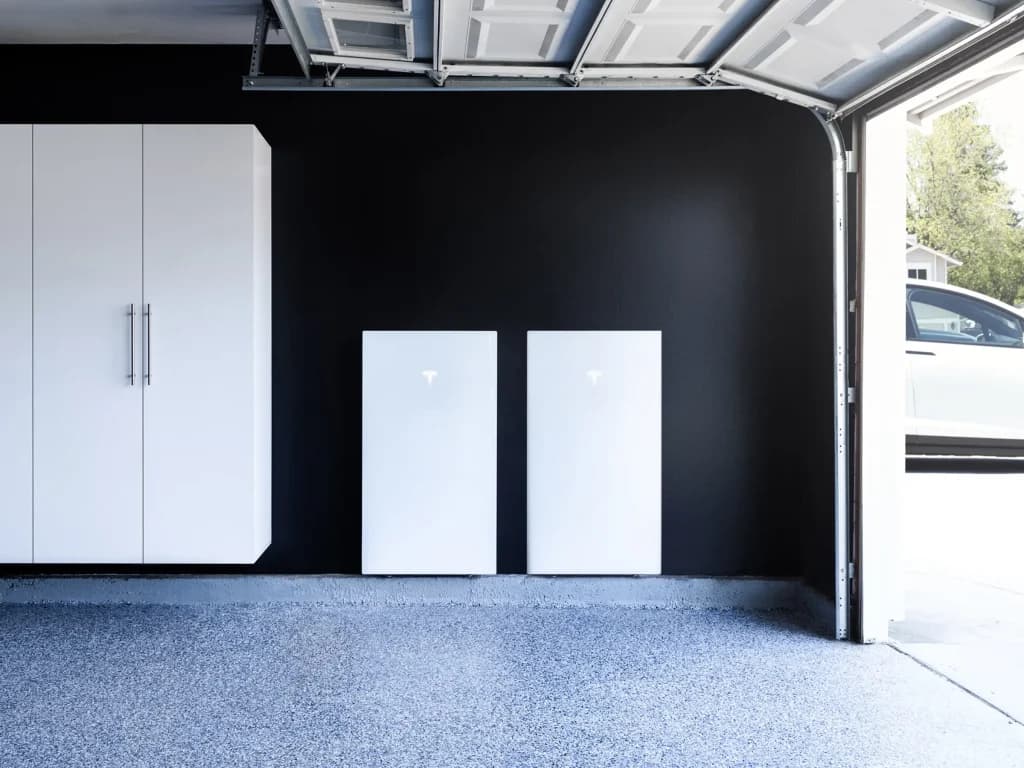
The best next step is to review the current solar equipment, expected backup behavior, and whether the storage plan should preserve the existing system or move toward a more integrated redesign.
- Compare retrofit simplicity against long-term system quality.
- Use the current inverter and panel setup to guide the storage recommendation.

FAQ
Straight answers before you move into a custom energy plan.
Why do people search for Powerwall 3 AC-coupled installation?
Usually because they already have solar and want to understand whether storage can be added cleanly without rebuilding the whole system.
Is AC-coupled always the best path for retrofit storage?
No. The best path depends on the current equipment, backup goals, and whether preserving the existing system still produces the strongest long-term design.
Decision Guides
Use these guides to answer the next practical question before you request a proposal.
Next Step
See All Resources
Browse the full decision library when you want more context first.
See All ResourcesGuide library
Core Services
Start with the home. Add battery, solar, and roof work only where they make the project stronger.
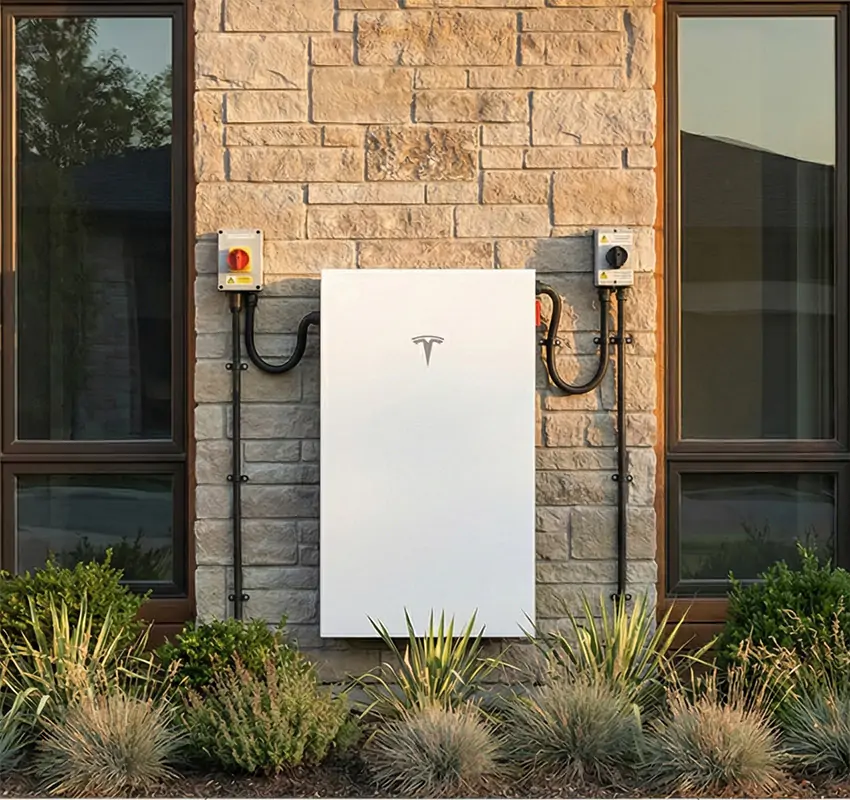
Service
Powerwall 3 Installation
Battery-first planning for backup power, resilience, and smarter long-term energy control.
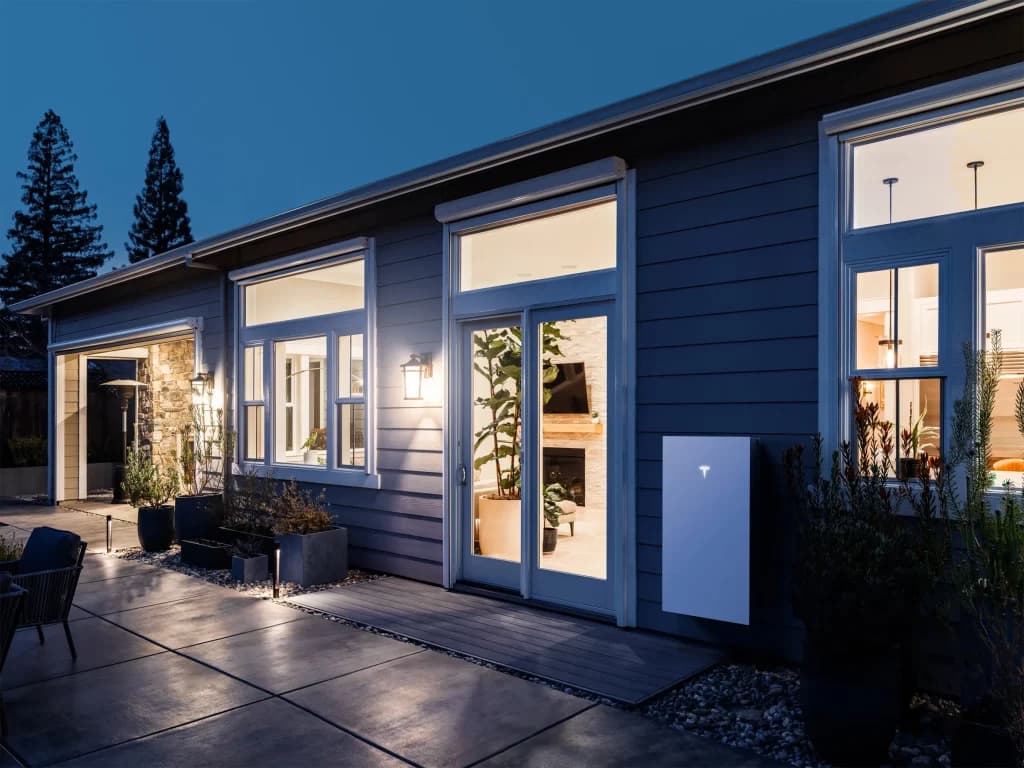
Service
Solar + Powerwall Systems
Integrated solar sizing and storage strategy designed as one coordinated system.
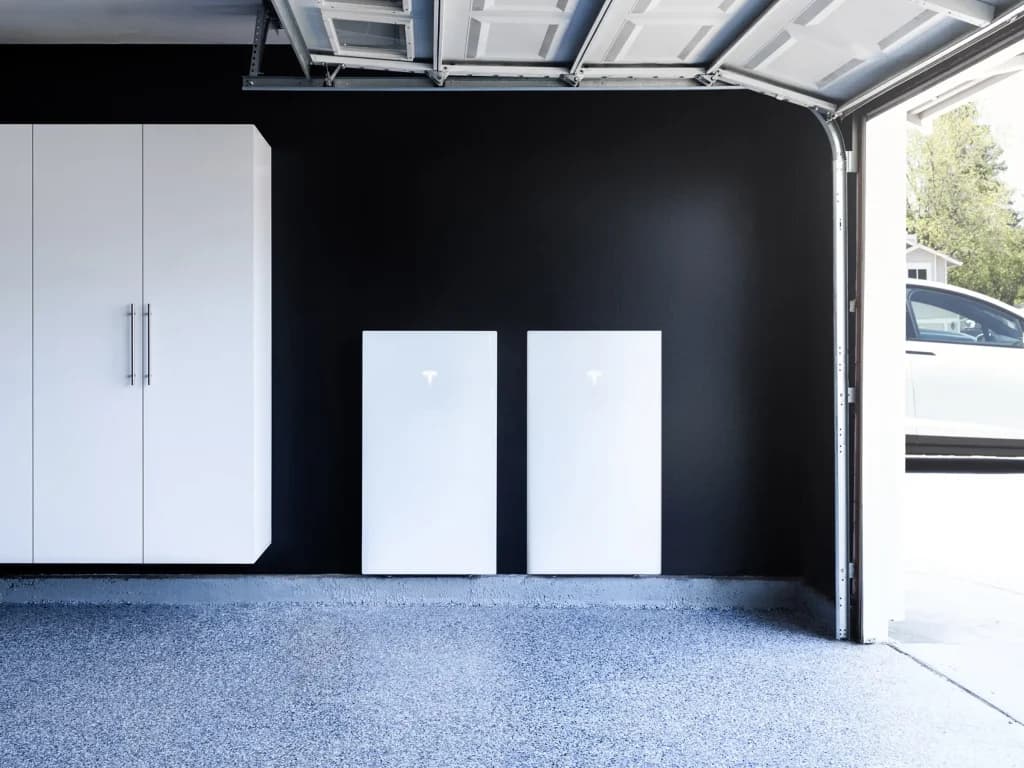
Service
Roofing for Solar Readiness
Roof review and upgrade planning when the project needs it before solar moves forward.
Next Step
Move from browsing to a real system plan.
Start with your backup goals, utility exposure, and roof readiness. The right recommendation gets clearer fast once the hierarchy is right.