
Solar battery installation in Utah for premium solar + battery systems and battery-first home energy storage

Quick Answer
What matters most first?
Solar battery installation works best when the storage plan leads the solar plan. The proposal should explain how production, stored energy, backup loads, app controls, and future expansion work together instead of treating panels and batteries as separate purchases.
Quick Takeaways
- Capacity, inverter setup, and app-control questions are usually part of a larger solar + storage decision.
- Expansion battery and app monitoring questions should be answered in the context of how the home will actually use stored energy.
- Battery-first planning helps homeowners compare real system fit instead of comparing isolated hardware specs.
Trust Check
Before you choose an installer, ask for proof that matches the proposal.
Battery and solar pages should help you judge the company, not just the equipment. A stronger proposal makes local work, credentials, reviews, and handoff responsibilities easy to verify.
Local install proof
Ask to see recent Utah battery or solar-plus-storage work with photos, scope notes, and the type of home the system was designed for.
Credential check
Confirm who is responsible for permitting, electrical work, inspections, commissioning, and any current contractor or electrical license details before approval.
Review trail
Compare recent homeowner reviews, third-party directory profiles, and warranty response expectations alongside the proposal number.
Integration
Solar + battery systems in Utah work best when storage sets the design logic
The strongest solar battery installation in Utah starts with the battery, not the panel count. Homeowners are usually trying to solve for backup resilience, better use of their solar production after sunset, and a cleaner response to peak-hour utility pricing. That only happens when the solar side is designed around storage behavior instead of sold beside it.
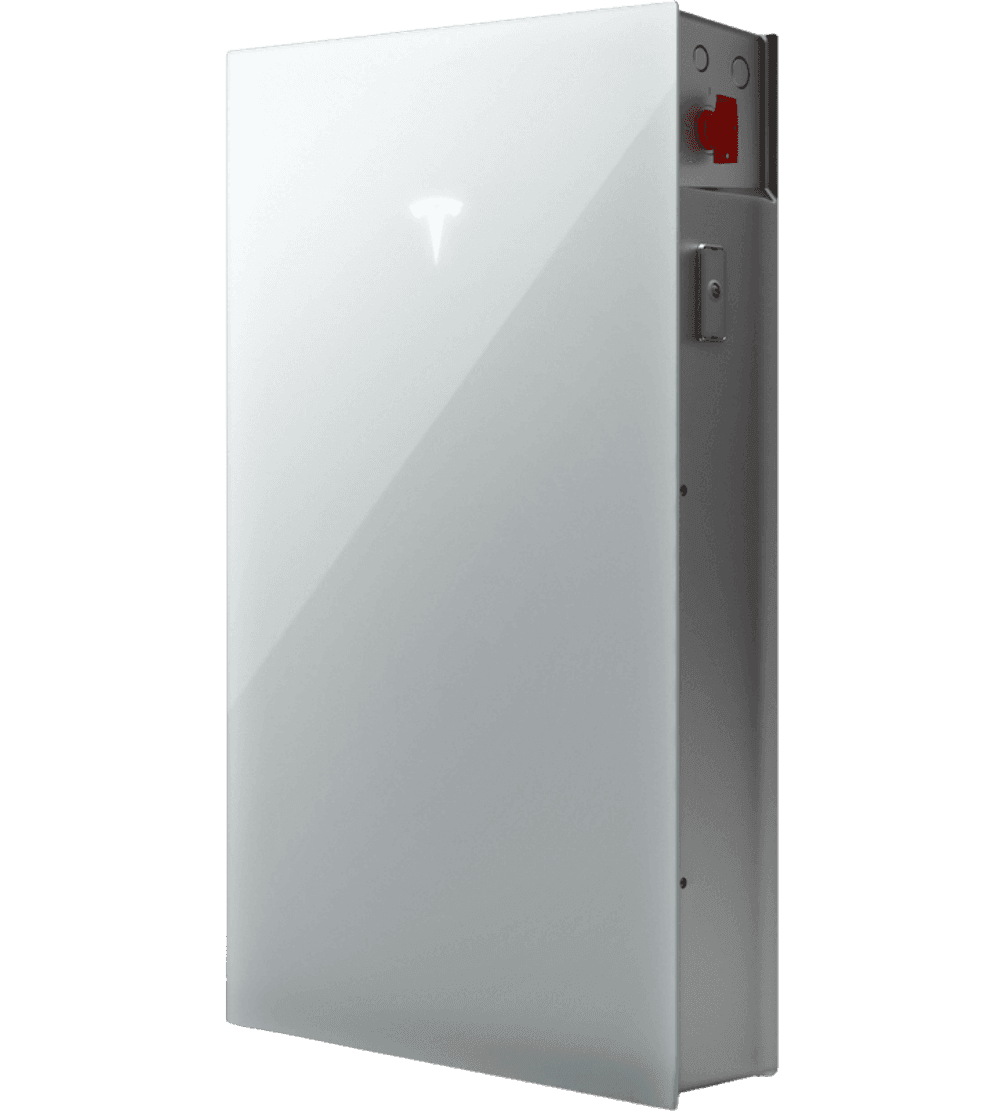
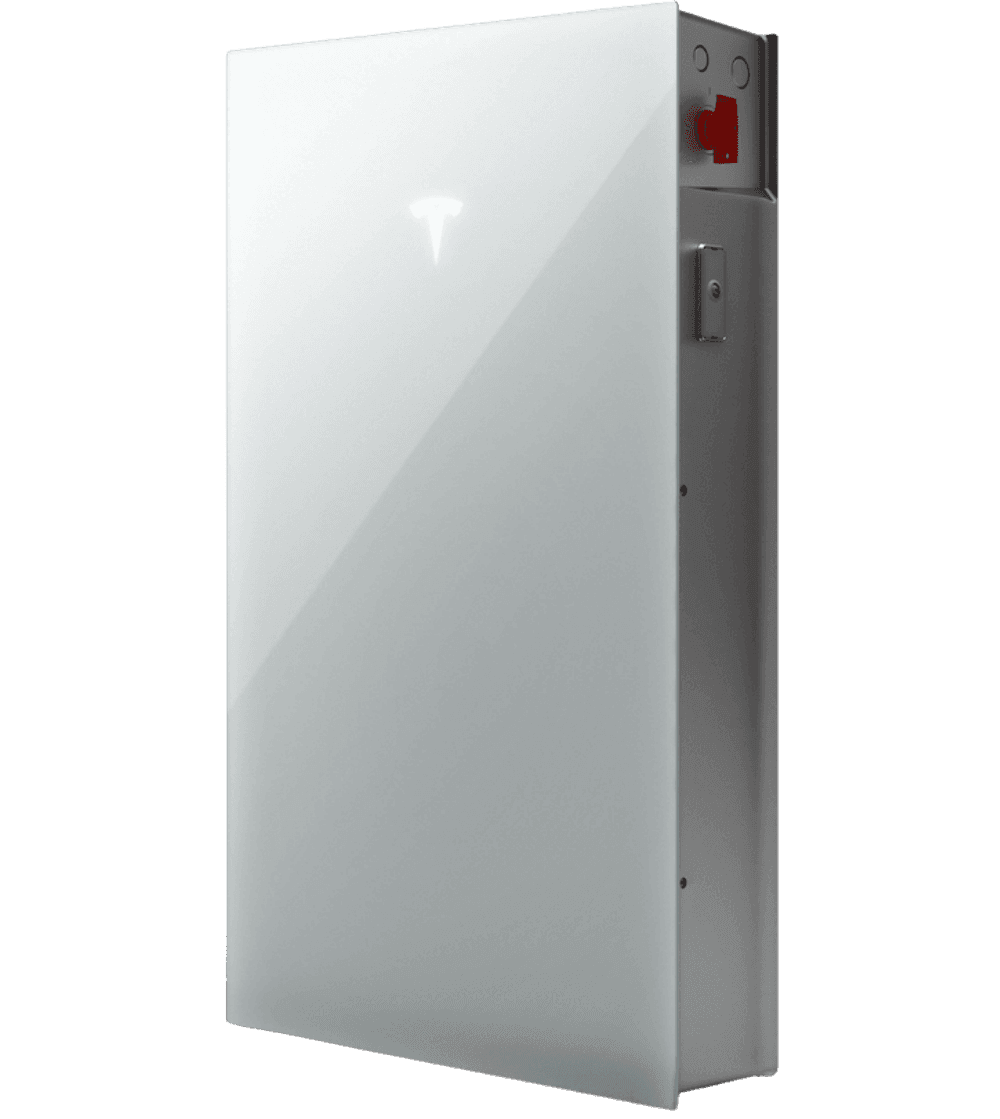
Powerwall 3 is well suited to that strategy because the integrated inverter simplifies the equipment stack and makes solar + storage feel like one coordinated system. Instead of exporting production and hoping the economics work out, the homeowner gets a design focused on usable stored energy, stronger self-consumption, and better backup performance.
This is why we position solar + battery as a battery-first solar path. The battery defines how the system should behave, and the array is sized to support that behavior across the day.
- Storage-led design for cleaner solar + battery performance.
- Higher self-consumption and stronger after-sunset energy use.
- Simplified equipment stack with Powerwall 3's internal inverter.
Technical Precision
A premium solar company in Utah should model battery behavior, household loads, and roof timing together
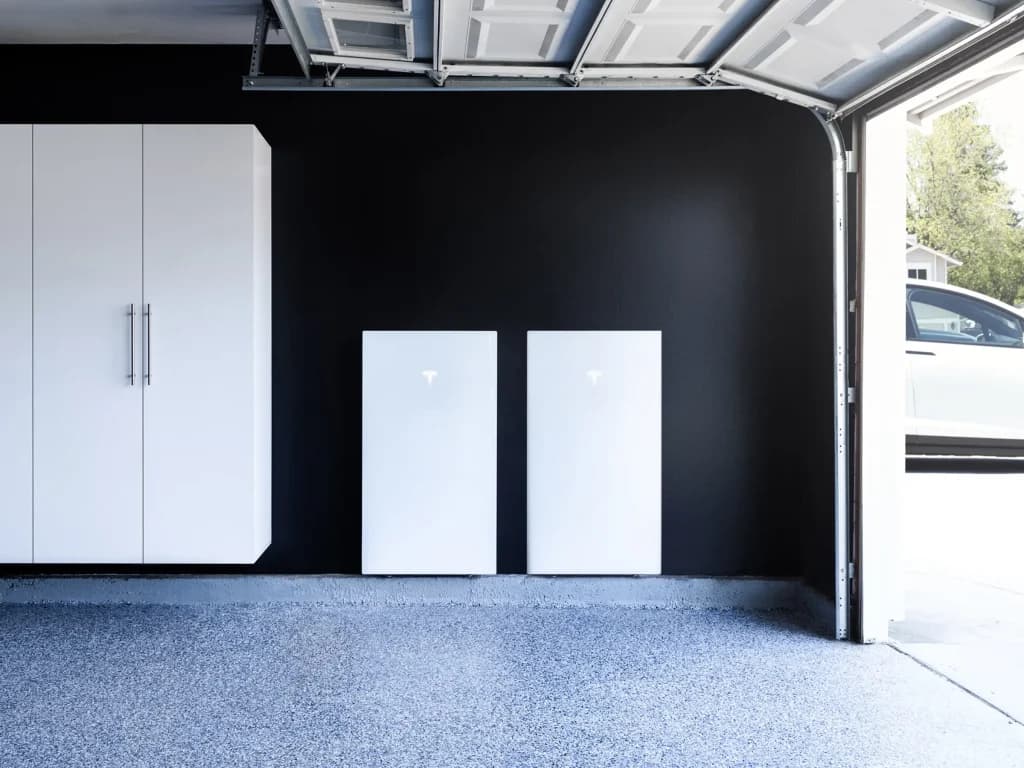
Integrated solar storage only works when circuit planning, load behavior, and roof timing are treated as part of the same project. A premium residential solar installer should be able to explain how the array supports the battery, what loads are expected during outages, and whether the home is better served by a one-phase install or a staged path.
That also means planning for future loads. EV charging, home-office demand, cooling loads, and general household growth can all change what the system should do over time. The right solar battery contractor in Utah will leave room for that instead of locking the homeowner into a system that feels undersized too quickly.
If the roof is the weak point, that issue should be handled through roof-readiness planning before premium hardware is installed. That keeps the larger solar + battery investment coherent.
Integrated design quality comes from load planning, production planning, and roof timing being solved as one coordinated decision.

Daily Value
Solar battery backup becomes more valuable when it helps with outages and expensive grid windows
For many Utah homeowners, the appeal of solar + battery is not only blackout resilience. It is also the ability to store production for the hours when the home needs it most and use battery capacity more intentionally during expensive utility windows. That is where time-of-use battery storage and peak-hour energy storage become practical, not theoretical.
The result is a solar storage system that works during normal operation and still supports backup confidence when the grid drops. That is a much stronger ownership story than a solar-only system that disappears when the outage begins.
- Solar battery backup for outages and daily energy control.
- Better use of stored solar production in higher-cost grid windows.
- A cleaner ownership model than treating solar and backup as separate purchases.
FAQ
Straight answers before you move into a custom energy plan.
Do you install solar and battery systems in Utah?
Yes. We design battery-first solar + storage systems in Utah so backup goals, daily energy use, and solar production are planned as one coordinated project.
Can solar plus battery help with time-of-use and peak-hour energy costs?
Yes, in the right utility and household context. A storage-led design can keep more solar energy on site and move stored energy into higher-cost grid windows.
Are you a solar company in Utah that installs Powerwall 3?
Yes. We position Powerwall 3 as the battery anchor for premium residential solar and battery installations when the home is a fit for integrated scope.
Solar + Battery Planning Help
Compare battery-only and solar-plus-storage options with the same load, roof, and backup expectations in view.
Next Step
Design Your Integrated System
Move from product questions into a solar-plus-storage plan.
Design Your Integrated SystemCore Services
Start with the home. Add battery, solar, and roof work only where they make the project stronger.
Service
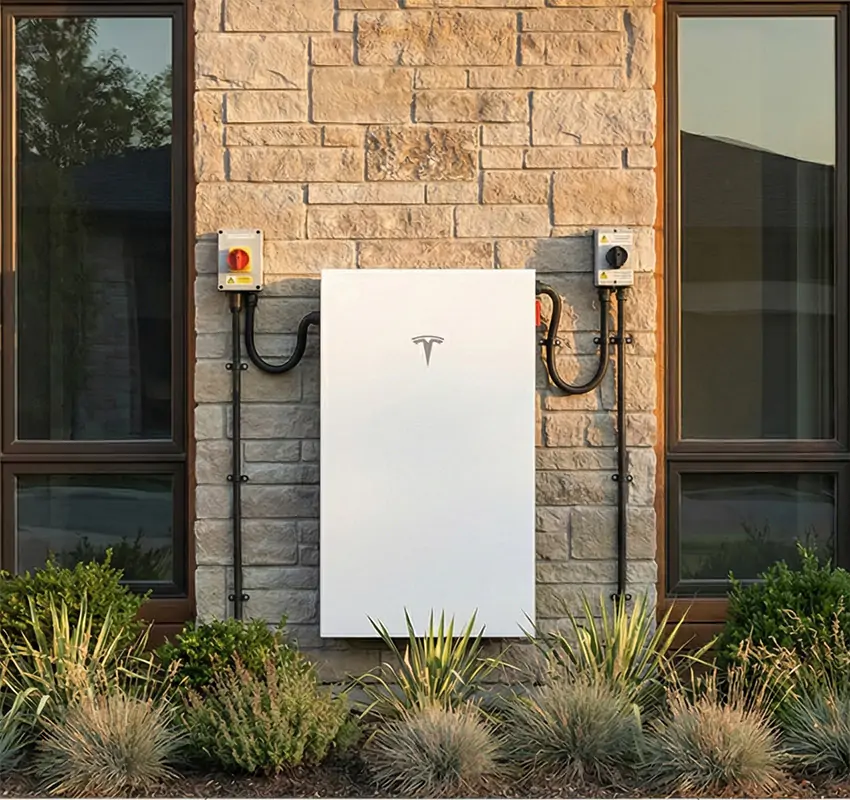
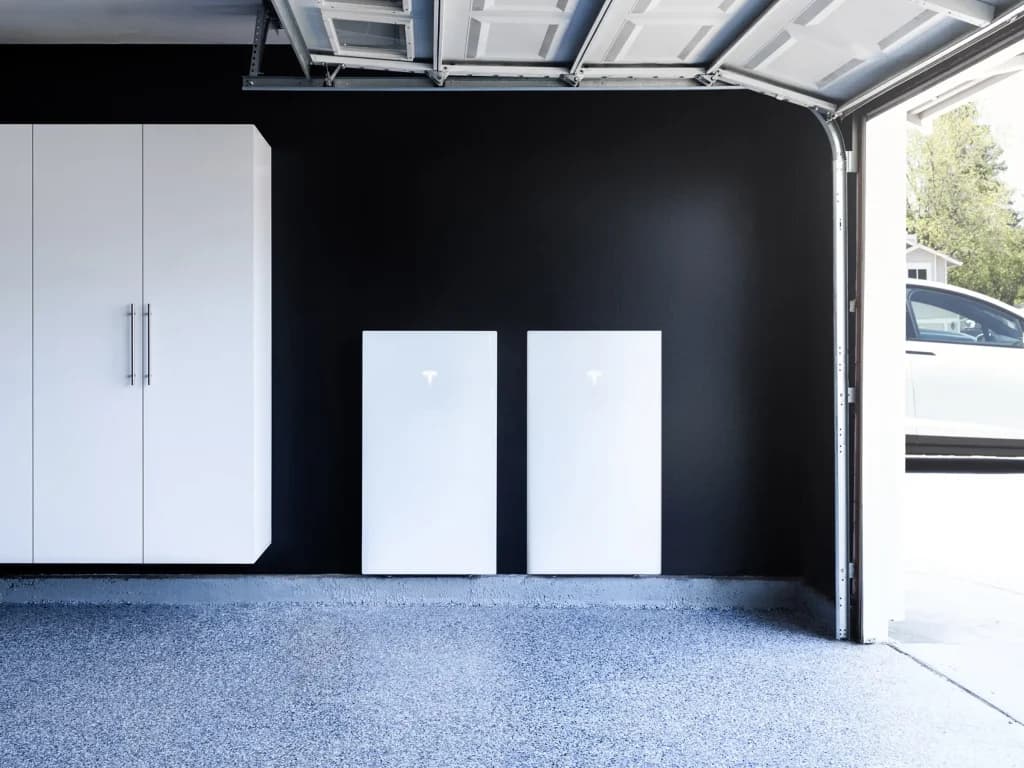
Powerwall 3 Installation
Battery-first planning for backup power, resilience, and smarter long-term energy control.
Service
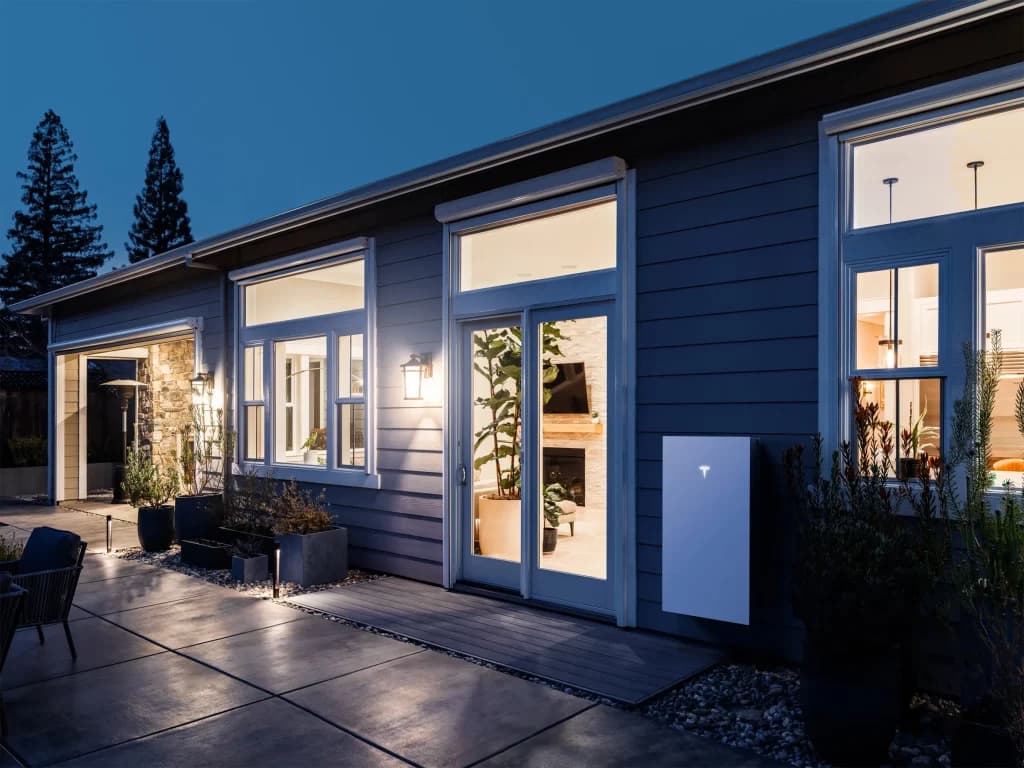
Solar + Powerwall Systems
Integrated solar sizing and storage strategy designed as one coordinated system.
Service
Roofing for Solar Readiness
Roof review and upgrade planning when the project needs it before solar moves forward.
Next Step
Move from browsing to a real system plan.
Start with your backup goals, utility exposure, and roof readiness. The right recommendation gets clearer fast once the hierarchy is right.