
Tesla Powerwall 3 installer in Utah for whole-home battery backup and smarter home energy storage
Quick Answer
Is Powerwall 3 the right fit?
Powerwall 3 is a good fit when the proposal explains what the battery will carry, where it will be installed, how backup will behave, and who is responsible for commissioning and homeowner handoff. A trustworthy recommendation should connect equipment specs to your actual loads, outage expectations, utility plan, and whether solar belongs in the same scope.
Quick Takeaways
- Ask for the installer credentials, electrical scope, commissioning process, and owner handoff before comparing price.
- Powerwall sizing, gateway setup, and add-on battery planning should be tied to the home's real electrical profile.
- The best proposal explains installer fit, system design, and what proof supports the recommendation.
Trust Check
Before you choose an installer, ask for proof that matches the proposal.
Battery and solar pages should help you judge the company, not just the equipment. A stronger proposal makes local work, credentials, reviews, and handoff responsibilities easy to verify.
Local install proof
Ask to see recent Utah battery or solar-plus-storage work with photos, scope notes, and the type of home the system was designed for.
Credential check
Confirm who is responsible for permitting, electrical work, inspections, commissioning, and any current contractor or electrical license details before approval.
Review trail
Compare recent homeowner reviews, third-party directory profiles, and warranty response expectations alongside the proposal number.
Utah Home Battery Backup
A Utah battery backup system should be designed around outages, electric rates, and real household loads
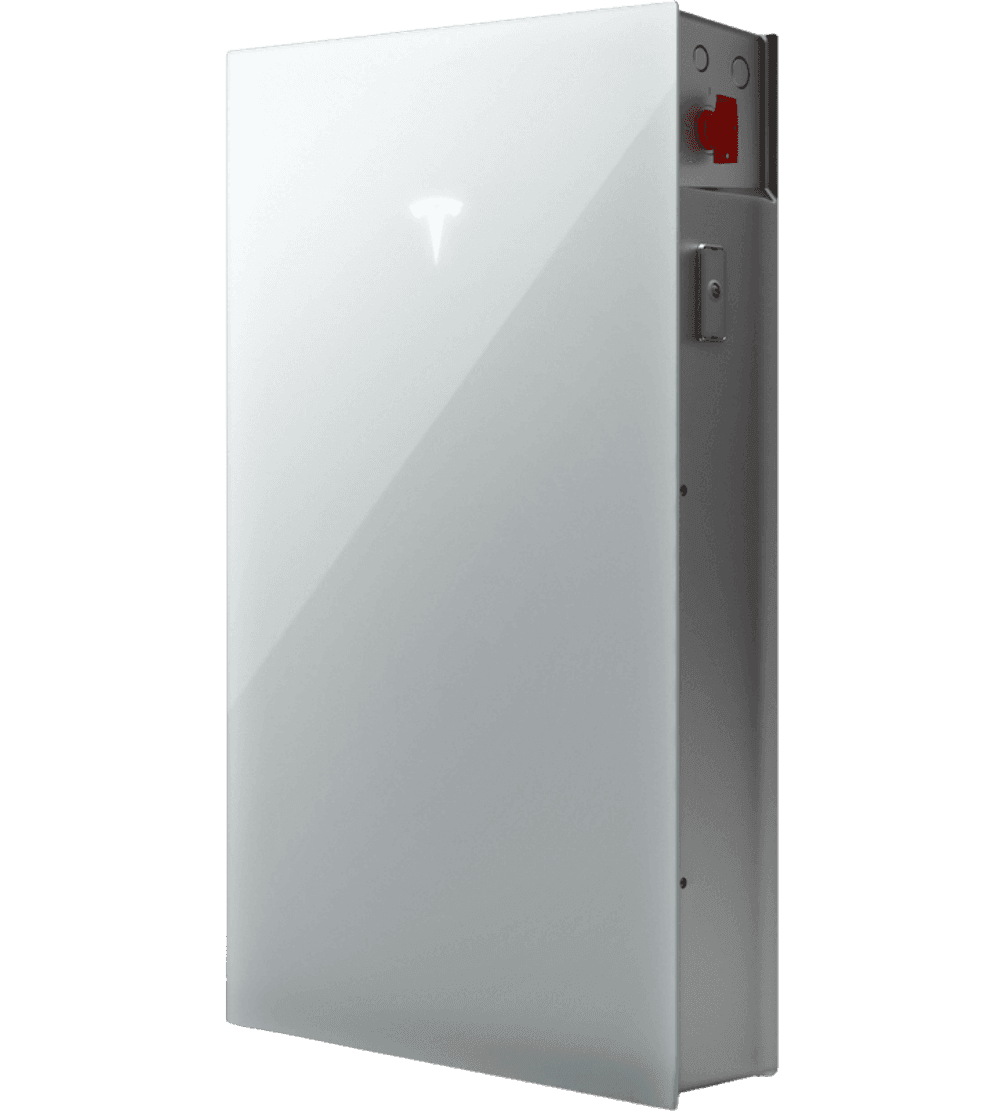
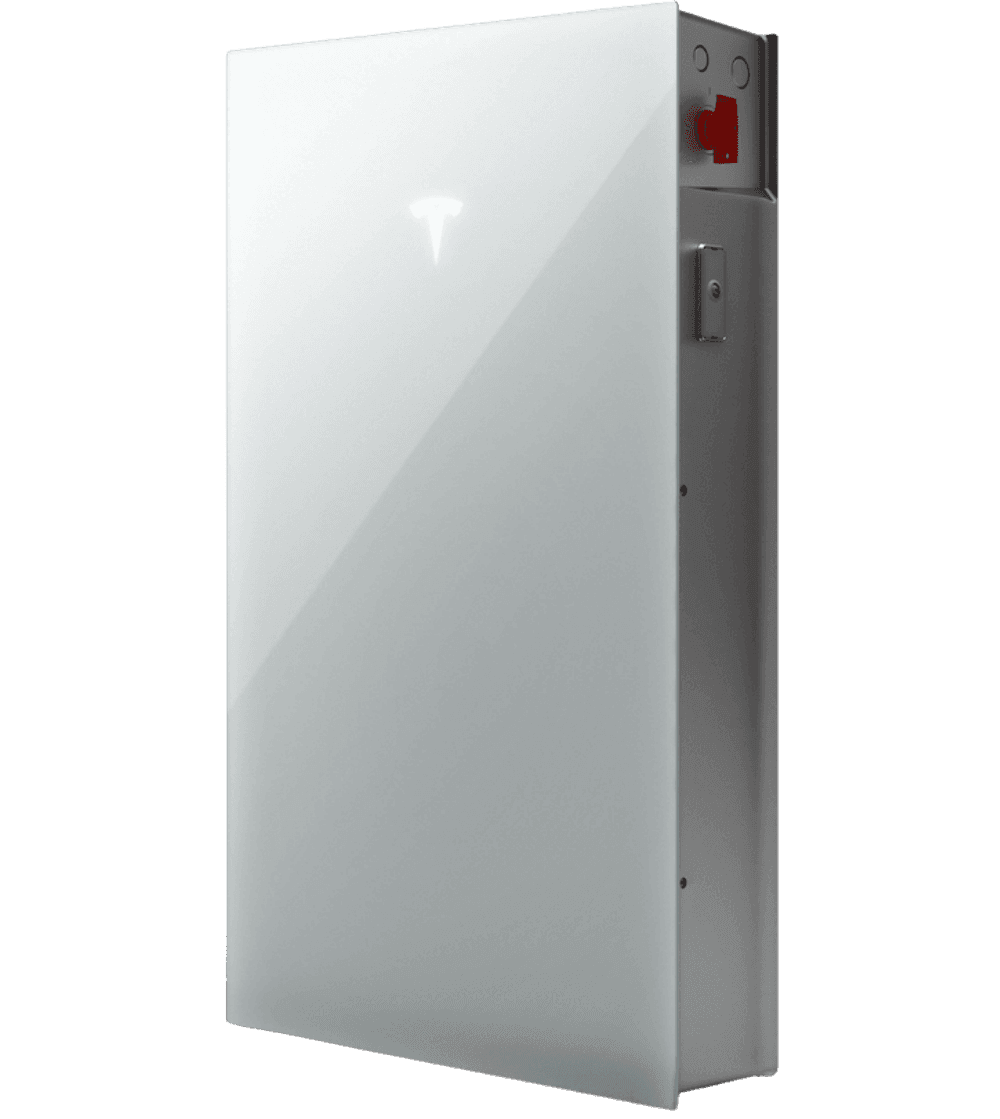
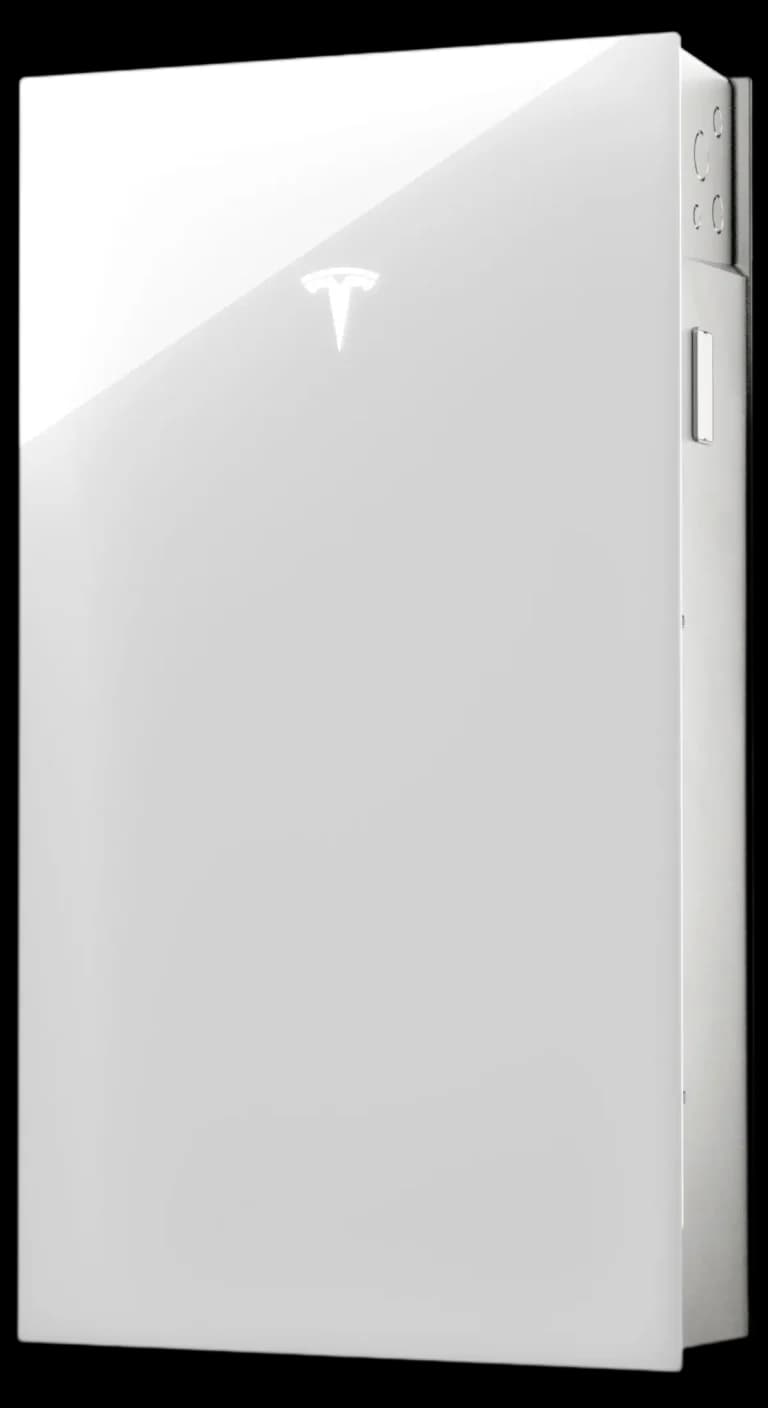
Utah homeowners searching for a Tesla home battery, home backup battery, backup battery for a house, or residential energy storage system are usually solving the same core problem: they want the home to stay calmer when the grid drops and work harder when utility pricing turns against them. Tesla Powerwall 3 is strong in that role because it combines 13.5 kWh of usable storage, 11.5 kW of continuous output, and an integrated solar inverter in one platform.
That combination matters because whole-home battery backup is not only about stored energy. It is about what the battery can actually carry during an outage, how the protected-load plan is staged, and whether the system should be designed for essential circuits or a broader whole-home backup feel. In the right Utah home, Powerwall 3 can support a much cleaner backup experience than generator-first equipment while also giving the homeowner daily-use value.
It can store solar production, shift energy into peak-hour utility windows, and reduce grid dependence without turning the house into an experiment. That is why we treat it as more than emergency hardware. It is a long-term home energy storage asset that should be engineered around how the home behaves.
- 13.5 kWh usable storage for daily energy shifting and outage support.
- 11.5 kW continuous output for stronger whole-home backup planning.
- Integrated solar inverter for a simpler battery-plus-solar installation.
- Battery insured with free replacement highlighted as part of the homeowner offer.
Final load coverage depends on the home's electrical profile, startup loads, utility plan, and whether the project is battery-only or part of an integrated solar-plus-storage design.
Battery-First Planning
Battery-first planning keeps whole-home backup, daily energy savings, and quote accuracy aligned
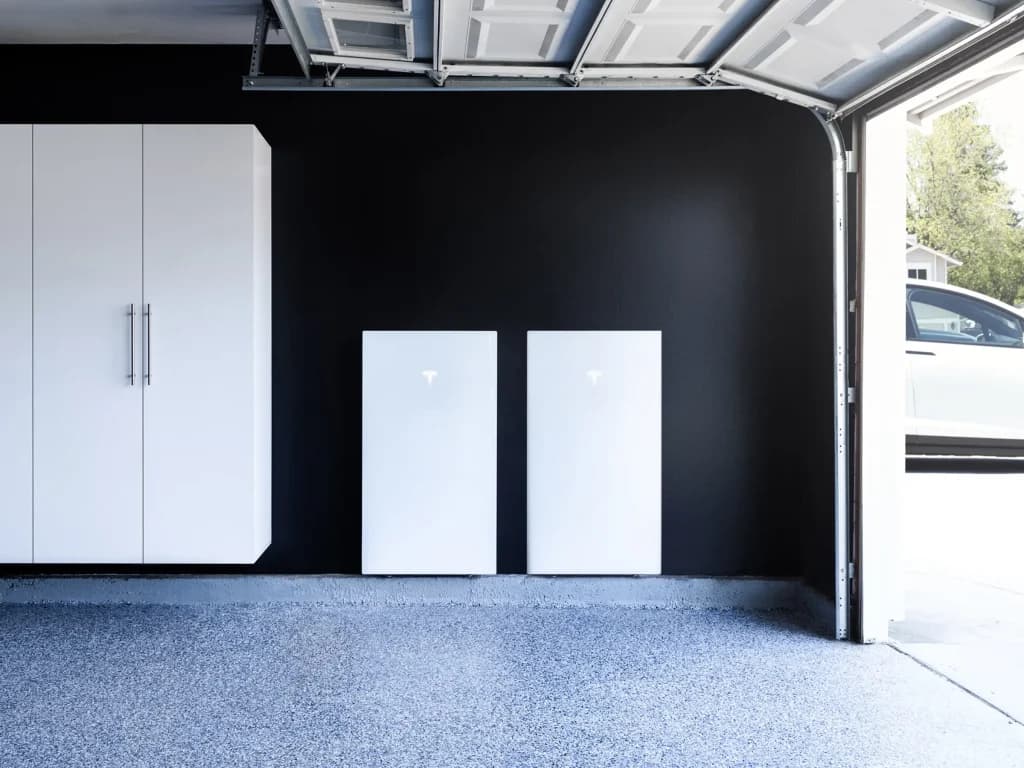
Battery-first design means we decide what the home needs to do during an outage before we recommend battery count, solar scope, or any supporting roof work. Some homeowners want essential circuits only. Others want a calmer, near-whole-home experience that covers refrigeration, internet, lighting, kitchen use, HVAC, and other major priorities. Those are different design problems, and they should not be sold like the same package.
That planning work happens at the electrical level. We review load behavior, startup surges, panel configuration, and how the backup architecture should be staged so the final system feels intentional instead of improvised. The same planning discipline also improves quote quality because a battery backup quote is only useful when it reflects real load coverage and real homeowner expectations.
This is also where time-of-use battery storage and peak-hour energy shifting enter the conversation. A well-designed Powerwall 3 system is not just outage hardware. It can improve how stored energy is used across the day, make solar production more valuable, and give the homeowner a more resilient long-term energy position.
- Protected-load planning based on how the home actually uses power.
- Circuit and surge review before final equipment recommendations.
- Backup architecture designed for daily value as well as outages.
The planning goal is simple: one system, one strategy, and one clear recommendation based on how the home needs to perform.
Installer Standard
What a Tesla Powerwall installer in Utah should review before giving a final recommendation
A premium installation should feel engineered from the first conversation through commissioning. That means a fit review, load assessment, equipment planning, install coordination, startup testing, and a clear handoff so the homeowner understands how the system behaves after it goes live. A serious Tesla Powerwall installer in Utah should also be able to explain what the home is being designed to carry and why.
If the project is battery-only, the recommendation should stay focused on backup performance, electrical fit, and daily storage value. If the project also includes solar pairing, the production side should be designed around storage behavior and homeowner priorities instead of treated like a separate sale.
If roof condition affects the long-term quality of the install, that issue should be handled early through roof-readiness support. Roofing stays in a supporting role, but it still matters when the goal is protecting a premium energy system over the long term.
- Fit review and load assessment before final system design.
- Clean install coordination with battery-only or solar-plus-storage scope.
- Commissioning and homeowner handoff focused on system clarity.
- Insured battery and free replacement messaging made visible before proposal close.
Next Step
Start with a Utah Powerwall quote that reflects your home instead of a generic package
The most efficient next step is not guessing at how many batteries the home needs. It is starting with a custom energy plan that clarifies outage concerns, backup goals, current electrical usage, and whether solar should be included now or later.
That gives you a recommendation grounded in system fit rather than generic package pricing. If you are already comparing numbers, use the Utah Powerwall quote page to understand what should be in the proposal before you compare installers on price alone.
- Clarify outage priorities and protected loads first.
- Decide whether the project is battery-only or solar + storage.
- Move into a cleaner quote process with one clear next step.
FAQ
Straight answers before you move into a custom energy plan.
Do you install Tesla Powerwall 3 in Utah?
Yes. We position Tesla Powerwall 3 as a Utah battery-backup and home-energy-storage solution built around protected loads, outage goals, and long-term system fit.
Can Powerwall 3 provide whole-home battery backup?
Sometimes, but the answer depends on the home's loads, startup surges, battery count, and how normal the homeowner expects the house to feel during an outage.
Can Powerwall 3 help with time-of-use rates and peak-hour energy costs?
Yes, in the right design. Powerwall 3 can store energy for use during higher-priced utility windows, which is one reason it can deliver value beyond outage backup alone.
How do I get a Powerwall quote in Utah?
Start with a custom energy plan or the Utah quote page so the proposal reflects your protected loads, electrical fit, solar timing, and desired backup level instead of a generic package.
Do you highlight battery protection and replacement on the offer?
Yes. We make it clear in the buying conversation that the battery is insured and that we offer free replacement.
Decision Layer
The most useful Powerwall decision is usually not price first. It is fit first.
Before you move into a proposal, pressure-test backup scope, system path, and planning quality. That makes the final recommendation much easier to trust.
That trust conversation should also be explicit about battery protection, insured coverage, and the free replacement offer.
Backup Fit
Choose the outage experience before you choose battery count.
Some homes only need essential circuits. Others want a calmer, more normal backup experience that includes comfort loads and stronger continuity.
Compare backup fit→System Scope
Decide whether this should stay battery-only or expand into solar + storage.
Powerwall 3 can stand on its own as a premium backup system, but some homes get more long-term value when solar is designed around the battery from the start.
Compare system paths→Project Readiness
Pressure-test pricing, roof timing, and installer quality before the proposal hardens.
The right project usually gets clearer when you look at cost drivers, install timing, and whether the home needs roof-readiness handled before a larger scope moves forward.
See planning questions→Next Move
Start with one custom energy plan instead of comparing half-formed quotes.
We’ll map outage priorities, battery-only versus integrated scope, and any roof-readiness issues before the proposal turns into a hardware-only conversation.
We also make sure the homeowner sees the protection story clearly: the battery is insured and we offer free replacement.
Proposal Clarity
A strong Powerwall proposal should explain what is driving the scope before it explains the number.
Homeowners usually get stuck when they compare quotes that look similar on the surface but are solving very different backup and system-design problems underneath.
What Should Be Clear
Backup Scope
Essential circuits, broader comfort loads, and whole-home expectations are different system sizes and should not be priced like the same product.
Electrical Fit
Panel conditions, load staging, gateway setup, and install complexity can materially change what a proper Powerwall recommendation looks like.
Integrated Scope
Battery-only, solar + storage, and roof-readiness support each change the shape of the proposal and should be compared as different paths, not minor add-ons.
Protection Offer
The battery is insured and we offer free replacement, so trust and long-term protection should be part of the proposal conversation instead of hidden behind the install scope.
Before You Compare Quotes
Use these three checks before you decide a proposal is cheaper, better, or more complete.
- Ask whether the design is solving for essential backup, broader comfort loads, or a calmer whole-home experience.
- Ask whether the recommendation is battery-only, integrated solar + storage, or dependent on roof-readiness work to stay clean long-term.
- Ask whether the installer has explained what the system will actually carry and why the battery count matches that plan.
Fast Start
Start your blueprint with just a few planning signals.
Add your ZIP and choose the closest-fit path below. We’ll carry these answers into the full wizard so you do not start from a blank slate.
Backup Goal
Solar Timing
Proposal Audit
Run every Powerwall 3 quote through the same four checks.
Homeowners usually get pulled into the proposal number before they know whether two quotes are even solving the same backup problem. This audit keeps the comparison disciplined.
Backup scope is defined
The quote should make it clear whether it is solving for essential circuits, broader comfort loads, or a calmer whole-home backup experience.
Battery count matches the plan
A stronger proposal explains why the system count fits your load priorities instead of assuming every home wants the same backup depth.
System path is explicit
Battery-only, integrated solar + storage, and phased expansion are different project paths and should be explained that way.
Site constraints are surfaced early
Panel conditions, gateway placement, roof timing, and install complexity should already be visible before the number is treated as final.
Protection terms are stated clearly
The quote should make it obvious that the battery is insured and that free replacement is part of the offer being presented to the homeowner.
Use The Audit Well
If two quotes fail different checks, they are not actually competing proposals yet.
The right next step is usually a cleaner energy plan, not more quote shopping. Once the backup goal, system path, and site constraints are aligned, comparing numbers becomes much more useful.
Fast Start
Start your blueprint with just a few planning signals.
Add your ZIP and choose the closest-fit path below. We’ll carry these answers into the full wizard so you do not start from a blank slate.
Backup Goal
Solar Timing
Powerwall Planning Help
Use these next steps to check installer fit, backup expectations, and quote details before you choose a Powerwall system.
Next Step
Get Your Custom Energy Plan
Turn your questions into a recommendation based on your home.
Get Your Custom Energy PlanPowerwall services
Homeowner buying guides
Core Services
Start with the home. Add battery, solar, and roof work only where they make the project stronger.
Service
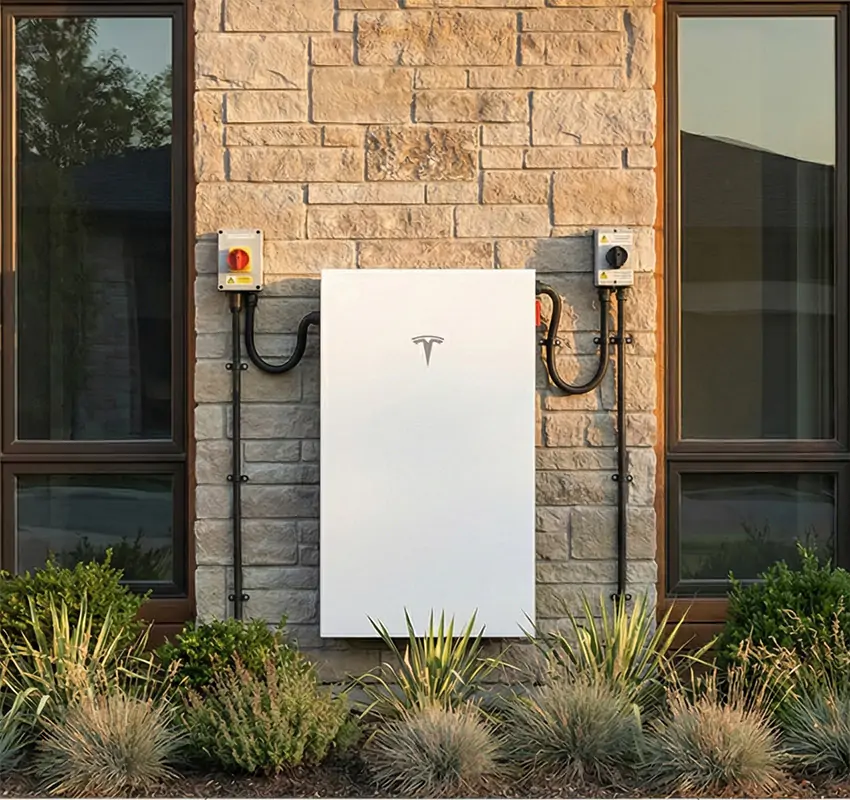
Powerwall 3 Installation
Battery-first planning for backup power, resilience, and smarter long-term energy control.
Service
Solar + Powerwall Systems
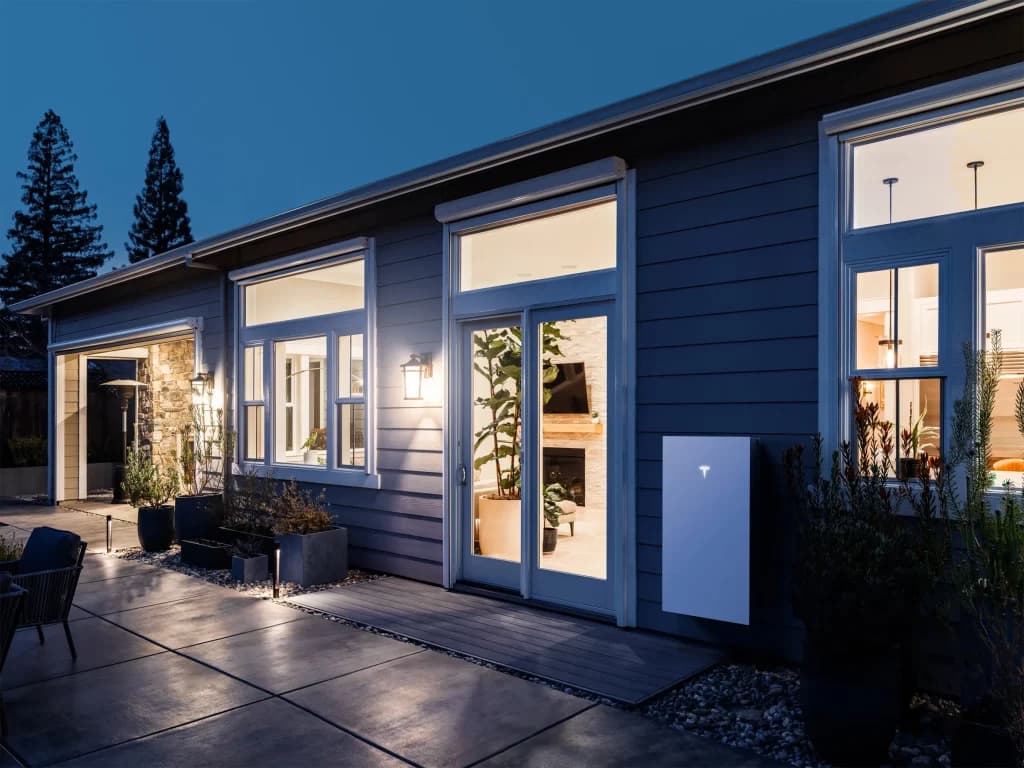
Integrated solar sizing and storage strategy designed as one coordinated system.
Service
Roofing for Solar Readiness
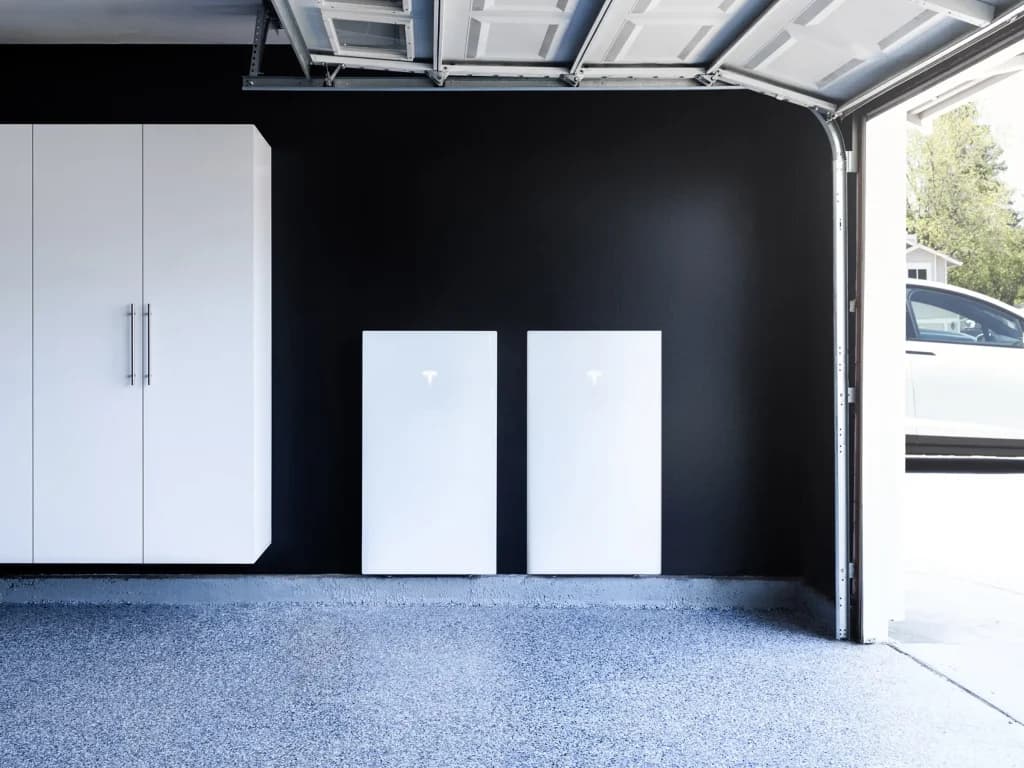
Roof review and upgrade planning when the project needs it before solar moves forward.
Next Step
Move from browsing to a real system plan.
Start with your backup goals, utility exposure, and roof readiness. The right recommendation gets clearer fast once the hierarchy is right.