
Powerwall 3 installation service in Utah with site review, load planning, and commissioning
Quick Answer
What happens during a Powerwall 3 installation?
This page is about the installation service and project process. It explains how the home is reviewed, how protected loads are mapped, how equipment placement is planned, and what should happen before the system is commissioned.
Quick Takeaways
- Installation starts with site conditions, panel fit, and protected-load planning.
- Placement, wiring, gateway setup, and utility coordination should be clarified before install day.
- Commissioning and owner handoff are part of the service, not an afterthought.
Trust Check
Before you choose an installer, ask for proof that matches the proposal.
Battery and solar pages should help you judge the company, not just the equipment. A stronger proposal makes local work, credentials, reviews, and handoff responsibilities easy to verify.
Local install proof
Ask to see recent Utah battery or solar-plus-storage work with photos, scope notes, and the type of home the system was designed for.
Credential check
Confirm who is responsible for permitting, electrical work, inspections, commissioning, and any current contractor or electrical license details before approval.
Review trail
Compare recent homeowner reviews, third-party directory profiles, and warranty response expectations alongside the proposal number.
Site Review
The installation process starts with the electrical panel, protected loads, and battery placement
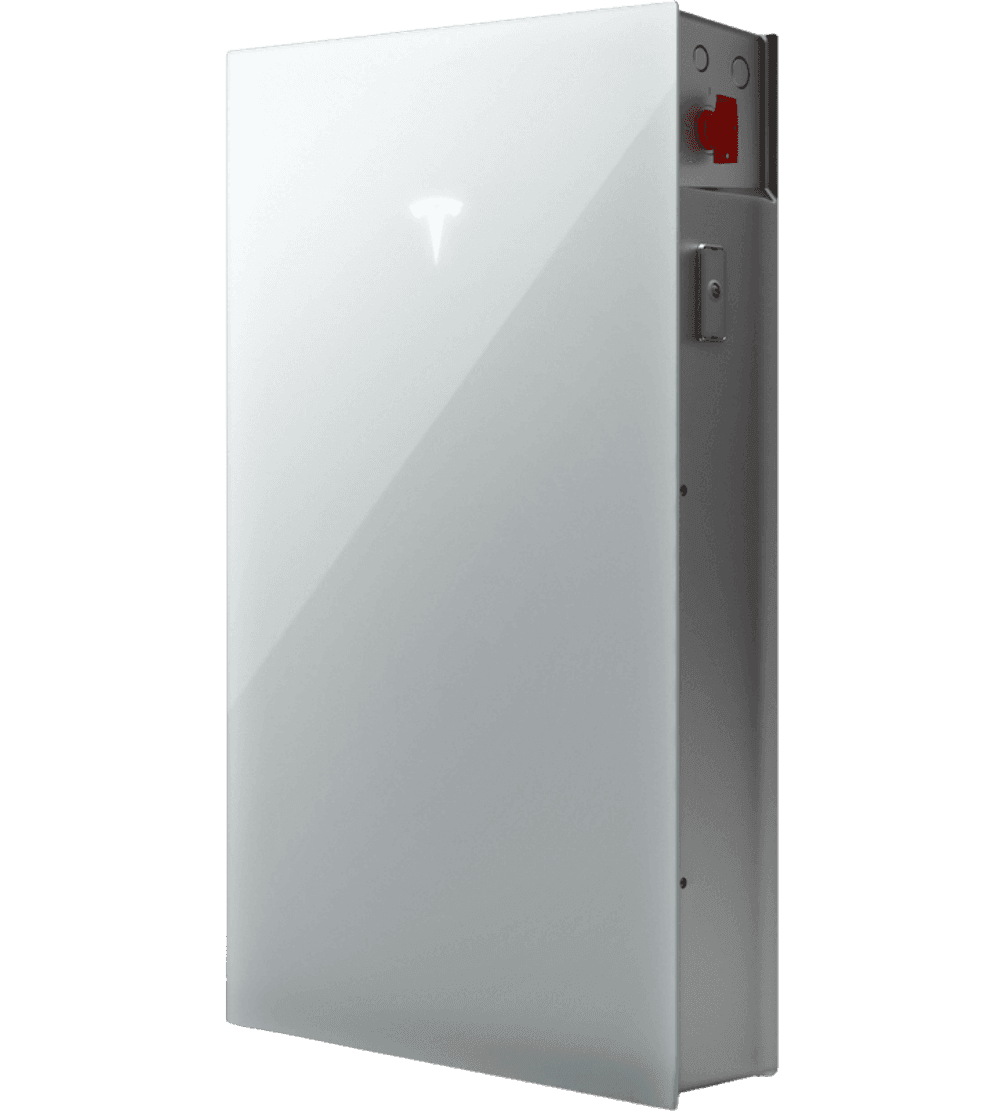
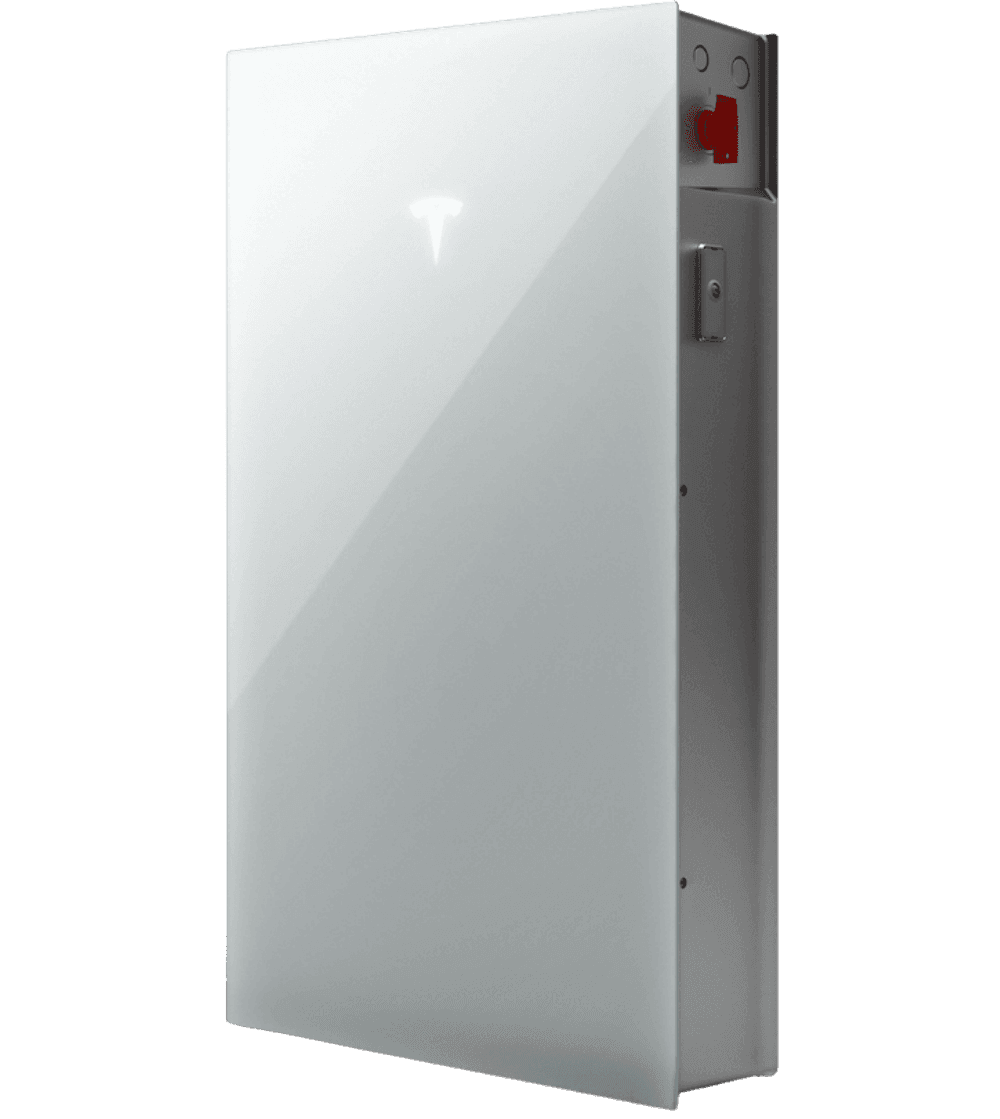
A Powerwall 3 installation should begin with the home, not the box. Before install day, the project needs a clear view of the main panel, backup gateway location, battery placement, conduit path, internet connectivity, and which loads the homeowner expects to protect during an outage.
That review separates this page from the broader Powerwall 3 service page. The product page explains whether Powerwall 3 is the right platform. This installation page explains how the job should be planned and executed once the home is a fit.
- Panel and gateway review before final installation scope.
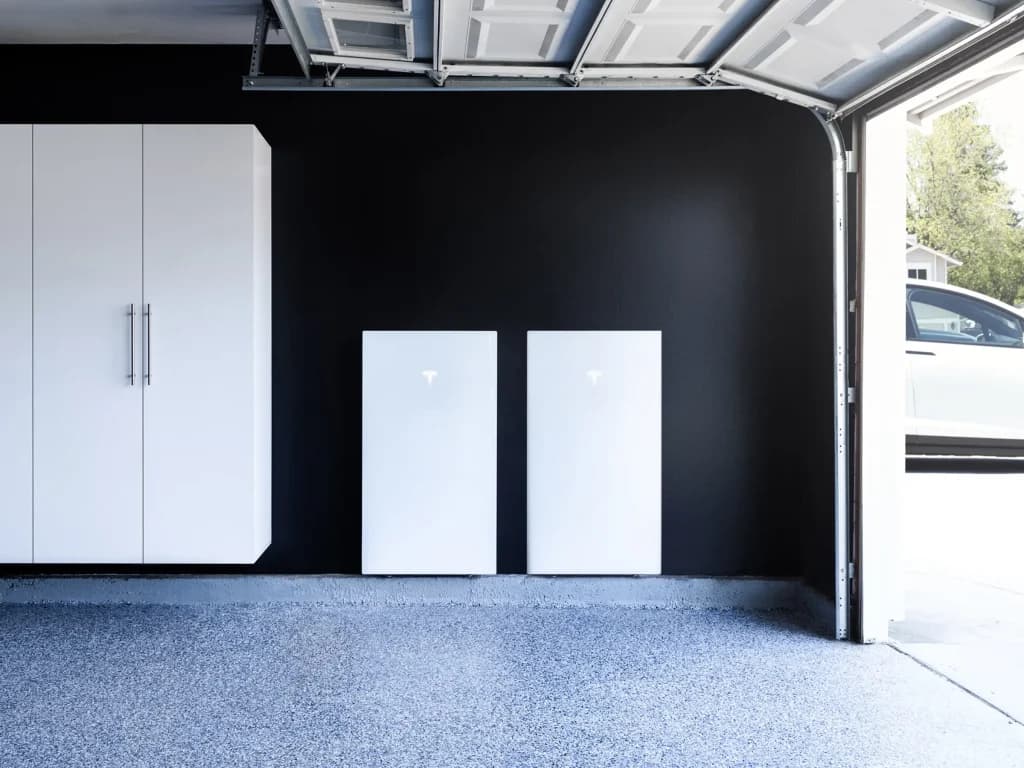
- Battery location planning for access, clearance, and clean routing.
- Protected-load mapping tied to the homeowner's outage priorities.
Project Coordination
A clean install depends on utility steps, permitting, roof timing, and homeowner expectations being aligned
Battery installation is not just the physical mounting day. The project also includes permit details, utility coordination, electrical scheduling, and any roof-readiness questions that could affect a solar-paired scope. Those steps should be visible before the proposal hardens.
If the installation is part of a larger solar + battery system, the solar design should support the battery plan instead of creating a second, competing project path.
- Permit and utility requirements should be explained early.
- Solar-paired projects need one coordinated install sequence.
- Roof readiness should be resolved before premium energy hardware is installed.
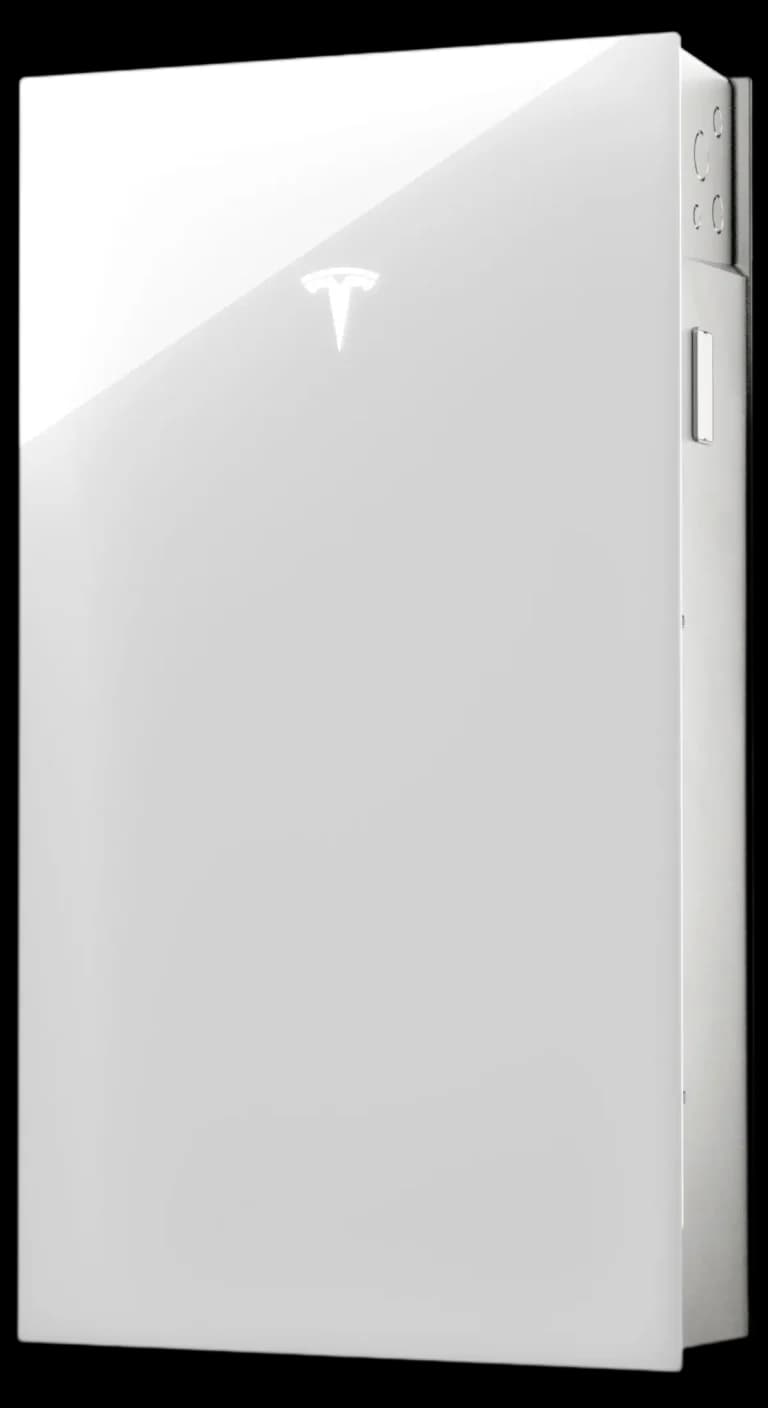
Commissioning
Commissioning should prove the system works before the homeowner takes over
The final installation step is commissioning. That means checking system behavior, confirming communication with the Tesla app, verifying backup configuration, and walking the homeowner through how the system responds during normal use and outage conditions.
A strong installer also explains what the system is designed to carry, what it is not designed to carry, and how the homeowner should think about battery reserve settings after the system goes live.
- System startup and app connection confirmed before handoff.
- Backup behavior reviewed in plain language.
- Owner handoff includes reserve settings and realistic load expectations.
FAQ
Straight answers before you move into a custom energy plan.
What is included in Powerwall 3 installation?
A complete installation should include site review, protected-load planning, equipment placement, electrical coordination, permitting or utility steps where required, commissioning, and homeowner handoff.
Is this different from the main Powerwall 3 page?
Yes. The main Powerwall 3 page explains the product and fit. This page focuses on the installation process and service expectations after the system path is chosen.
Powerwall Planning Help
Use these next steps to check installer fit, backup expectations, and quote details before you choose a Powerwall system.
Next Step
Get Your Custom Energy Plan
Turn your questions into a recommendation based on your home.
Get Your Custom Energy PlanPowerwall services
Homeowner buying guides
Core Services
Start with the home. Add battery, solar, and roof work only where they make the project stronger.
Service
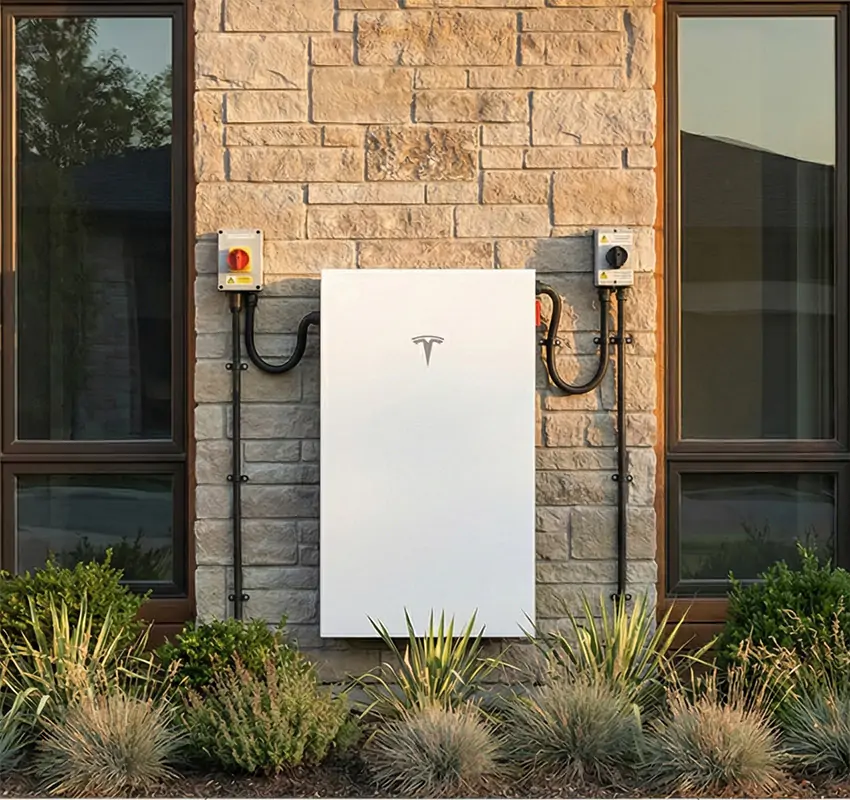
Powerwall 3 Installation
Battery-first planning for backup power, resilience, and smarter long-term energy control.
Service
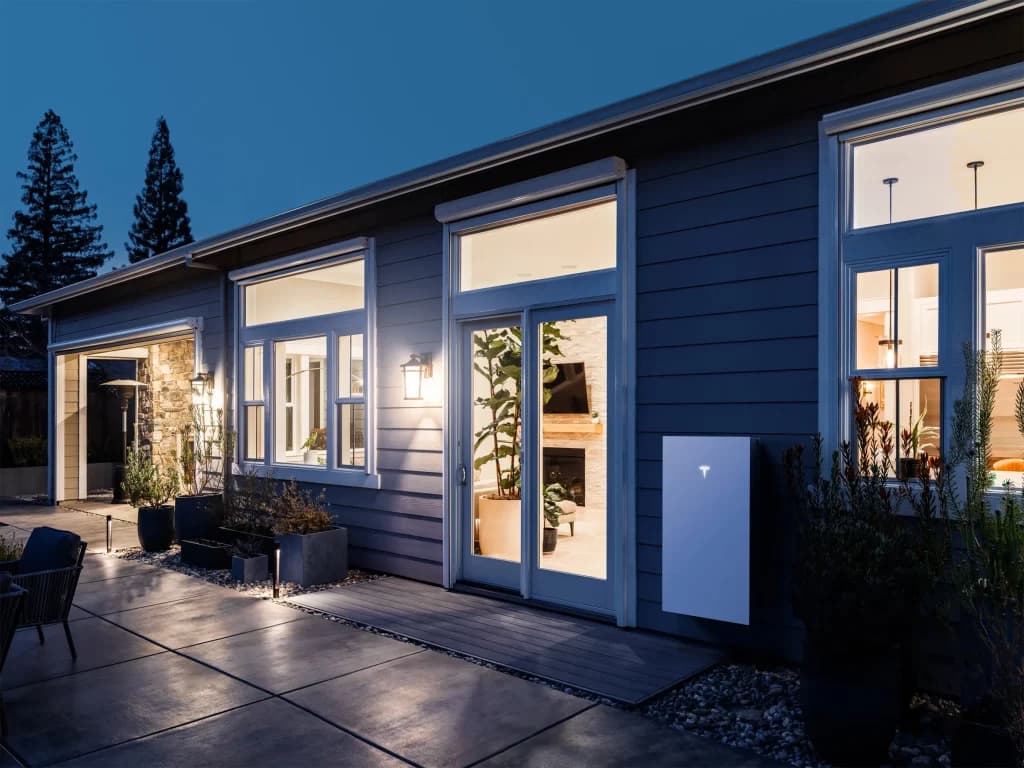
Solar + Powerwall Systems
Integrated solar sizing and storage strategy designed as one coordinated system.
Service
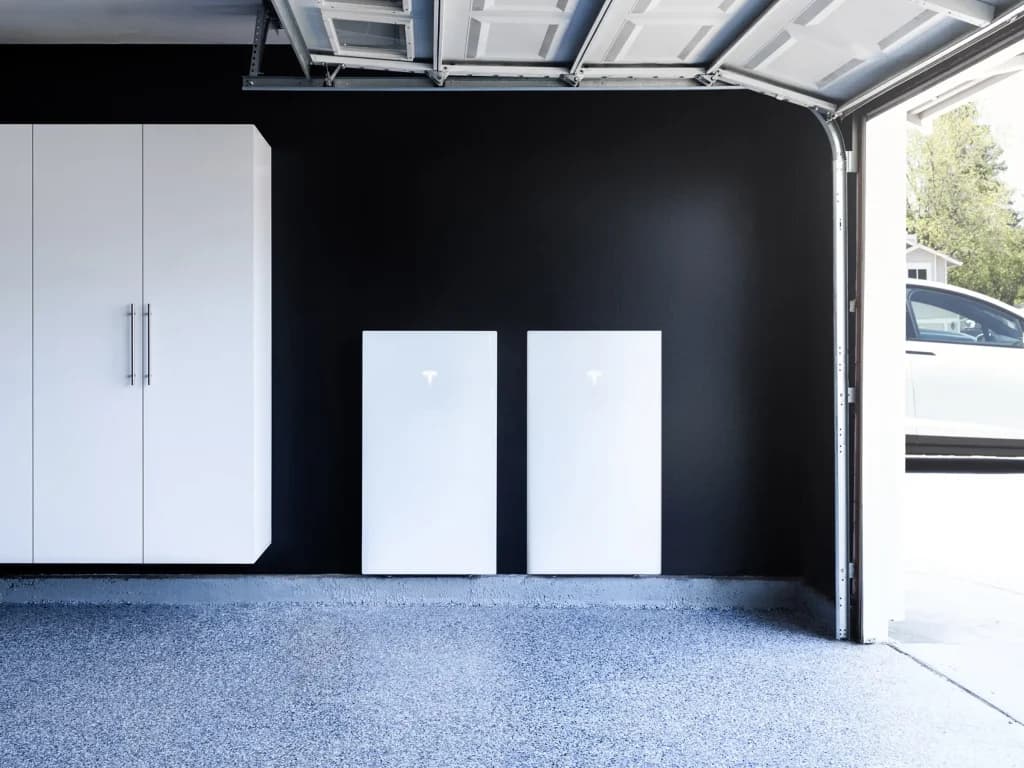
Roofing for Solar Readiness
Roof review and upgrade planning when the project needs it before solar moves forward.
Next Step
Move from browsing to a real system plan.
Start with your backup goals, utility exposure, and roof readiness. The right recommendation gets clearer fast once the hierarchy is right.