
Solar battery installation service in Utah with battery-first project planning and install coordination
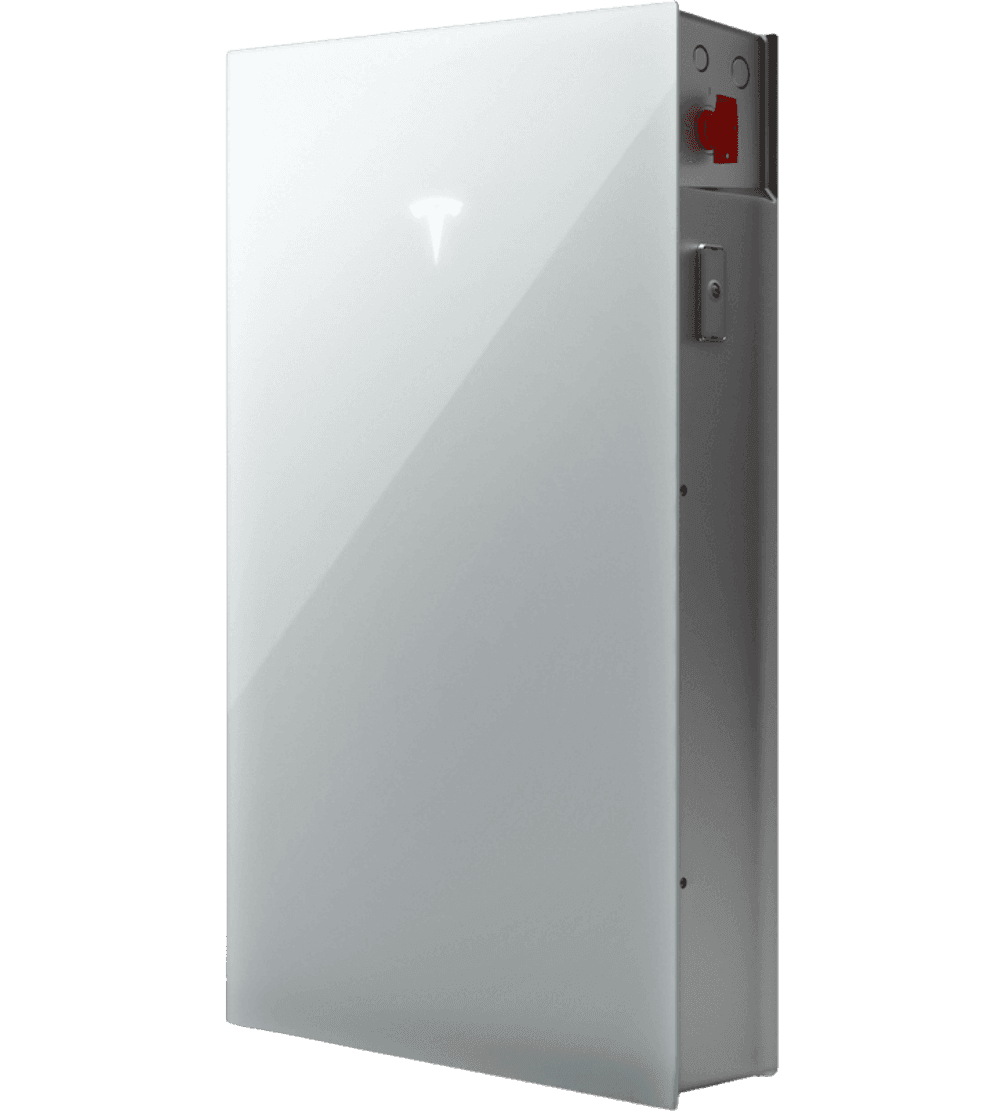
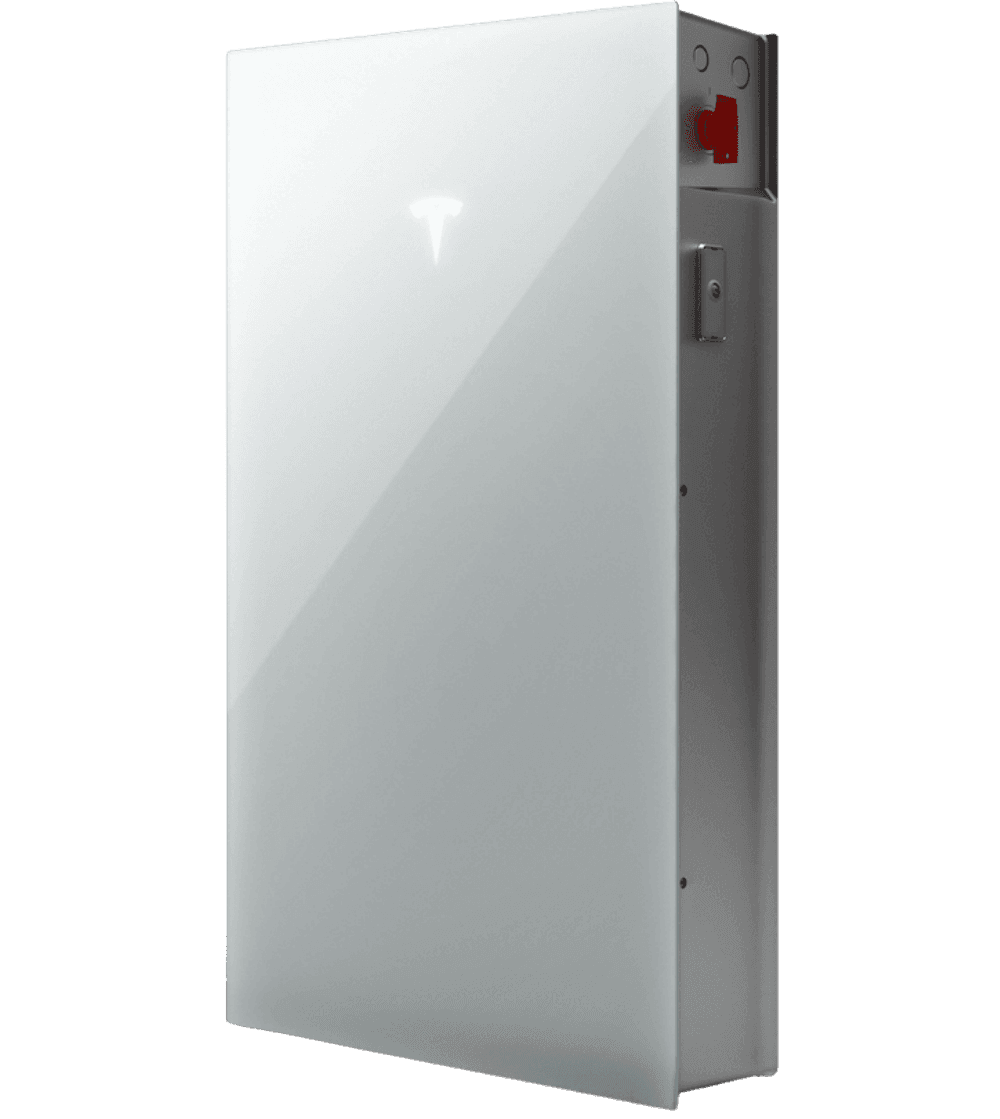

Quick Answer
How should a solar battery installation be planned?
This page is focused on the installation service and project path. It turns the broader solar-plus-battery design into a sequence: define the battery role, confirm roof and electrical readiness, coordinate solar and storage installation, then commission the system as one connected asset.
Quick Takeaways
- Battery behavior should be defined before solar array size is locked.
- Roof readiness and electrical fit can change installation timing.
- The final handoff should explain backup, daily storage behavior, and ownership expectations.
Trust Check
Before you choose an installer, ask for proof that matches the proposal.
Battery and solar pages should help you judge the company, not just the equipment. A stronger proposal makes local work, credentials, reviews, and handoff responsibilities easy to verify.
Local install proof
Ask to see recent Utah battery or solar-plus-storage work with photos, scope notes, and the type of home the system was designed for.
Credential check
Confirm who is responsible for permitting, electrical work, inspections, commissioning, and any current contractor or electrical license details before approval.
Review trail
Compare recent homeowner reviews, third-party directory profiles, and warranty response expectations alongside the proposal number.
Installation Scope
Solar battery installation turns system design into a buildable project sequence
The solar battery systems page explains the design logic. This installation page is about the build path: what has to be checked, coordinated, scheduled, installed, and handed off so the system works as one asset.
That distinction matters for homeowners comparing installers. A design can sound strong and still fail in execution if roof timing, panel fit, battery placement, and solar sequencing are not handled before install day.
- Define the battery role before confirming the solar installation plan.
- Treat roof, panel, and battery placement as one project checklist.
- Use the installation plan to prevent scope changes late in the job.
Coordination
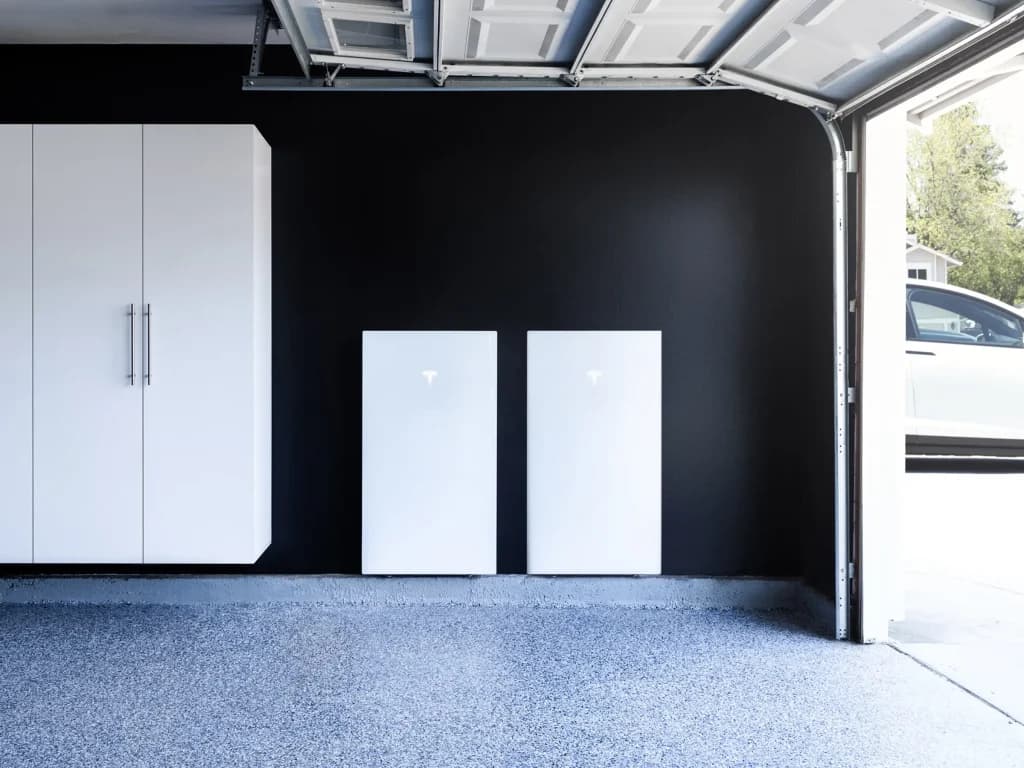
The installation service should coordinate solar production, storage behavior, and backup expectations
A solar battery installation has more moving parts than a battery-only project. The team needs to coordinate array layout, inverter behavior, battery placement, backup configuration, utility requirements, and the homeowner's expectations for outages and daily use.
For Utah homeowners, the strongest install path keeps the battery-first hierarchy intact. Solar should make the storage plan more useful, not pull the project away from resilience and daily stored-energy value.
- Solar and battery work should be scheduled as one coordinated scope.
- Backup configuration should be tied to the protected-load plan.
- Time-of-use and self-consumption goals should be reflected in setup.

Handoff
Final handoff should explain how the installed system behaves after it goes live
Commissioning should confirm that solar production, battery charging, app visibility, and backup behavior are working correctly. The homeowner should leave the project knowing how the system uses stored energy, what reserve settings mean, and when to call for support.
That owner handoff is what turns a completed installation into a system the household can actually trust during normal use and outages.
- Commission solar production and battery behavior together.
- Explain app visibility, reserve settings, and backup limits.
- Document next steps for support after activation.
FAQ
Straight answers before you move into a custom energy plan.
Is solar battery installation different from solar battery system design?
Yes. System design defines what the home needs. Installation planning turns that design into site review, scheduling, electrical coordination, roof readiness, commissioning, and handoff.
Should roof readiness be checked before solar battery installation?
Yes. If roof condition could affect the lifespan or timing of the solar array, it should be reviewed before the installation scope is finalized.
Solar + Battery Planning Help
Compare battery-only and solar-plus-storage options with the same load, roof, and backup expectations in view.
Next Step
Design Your Integrated System
Move from product questions into a solar-plus-storage plan.
Design Your Integrated SystemCore Services
Start with the home. Add battery, solar, and roof work only where they make the project stronger.
Service
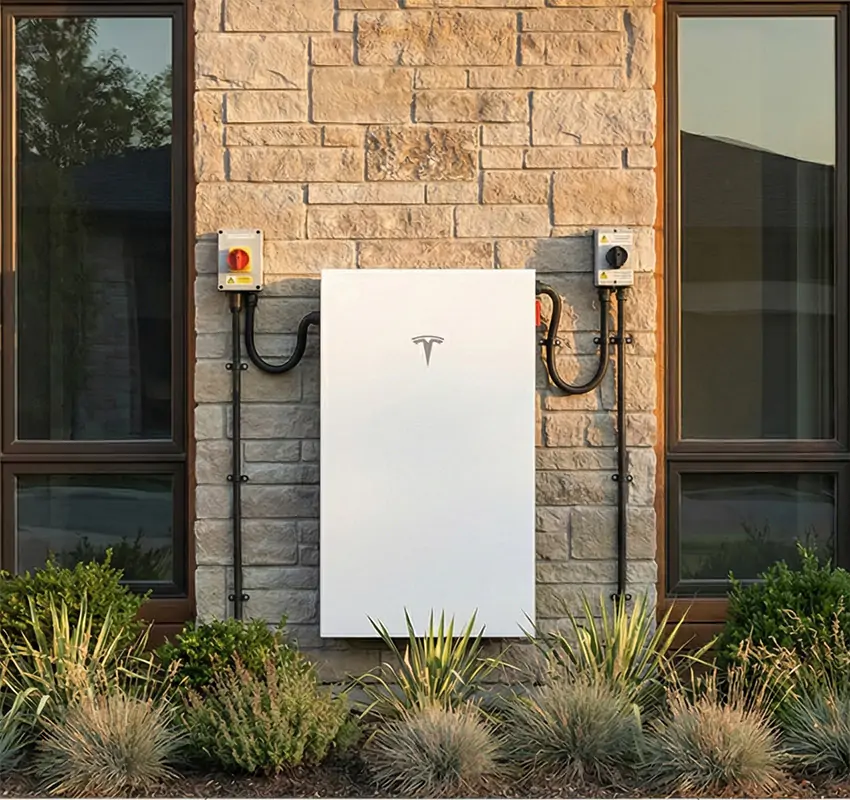
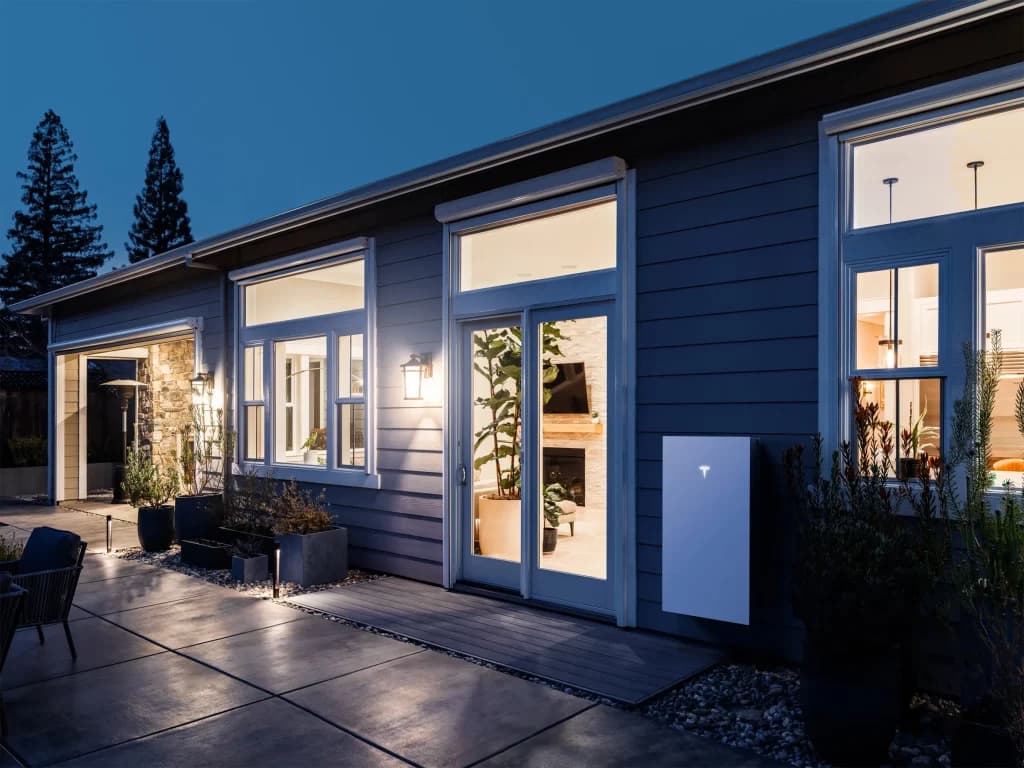
Powerwall 3 Installation
Battery-first planning for backup power, resilience, and smarter long-term energy control.
Service
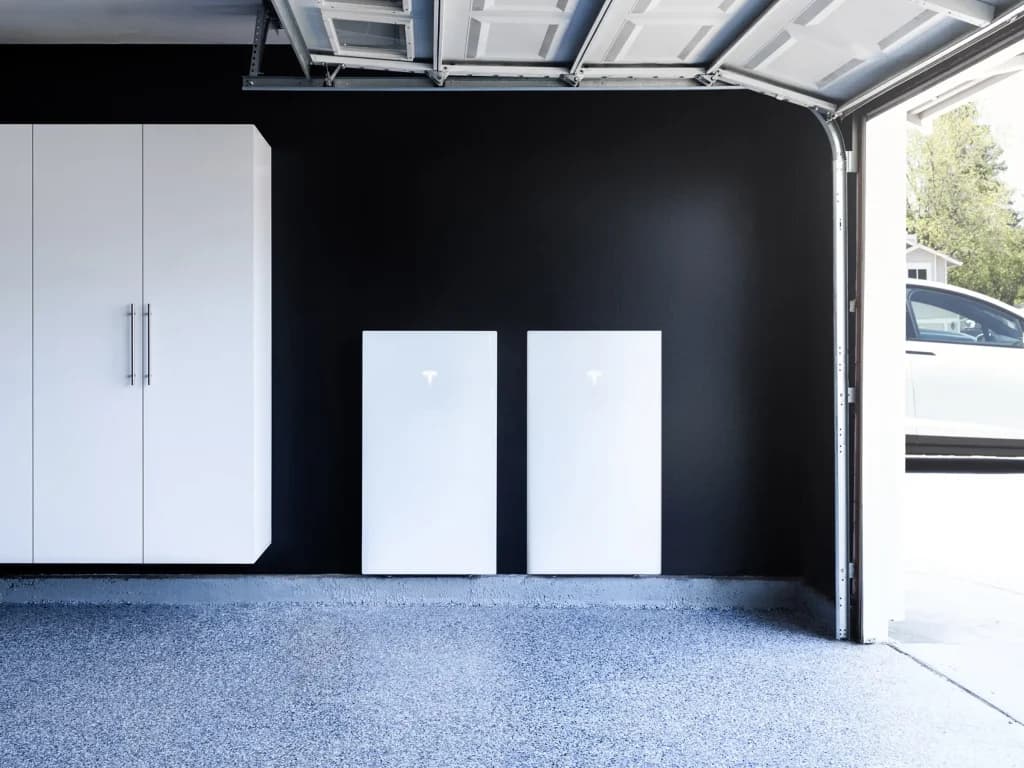
Solar + Powerwall Systems
Integrated solar sizing and storage strategy designed as one coordinated system.
Service
Roofing for Solar Readiness
Roof review and upgrade planning when the project needs it before solar moves forward.
Next Step
Move from browsing to a real system plan.
Start with your backup goals, utility exposure, and roof readiness. The right recommendation gets clearer fast once the hierarchy is right.