
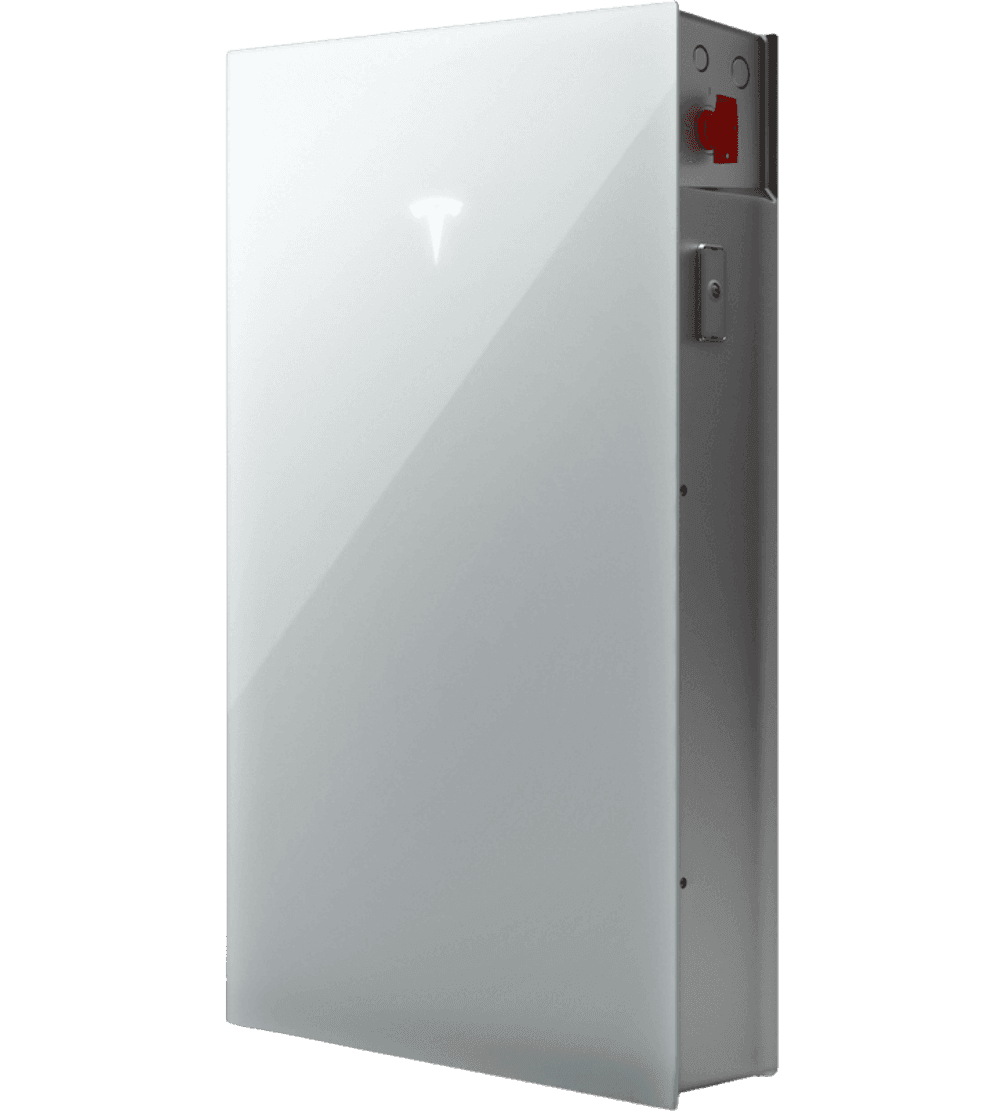
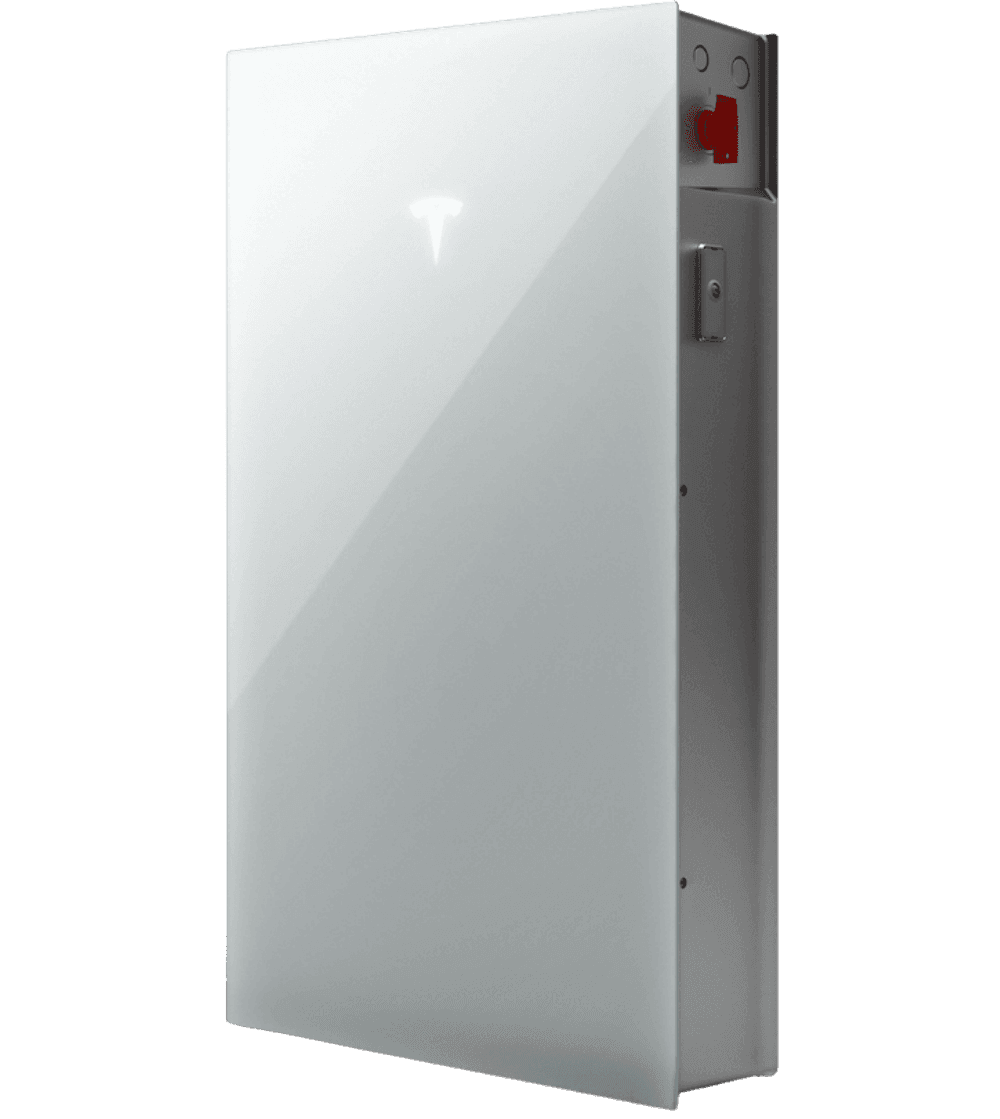


Installed system detail
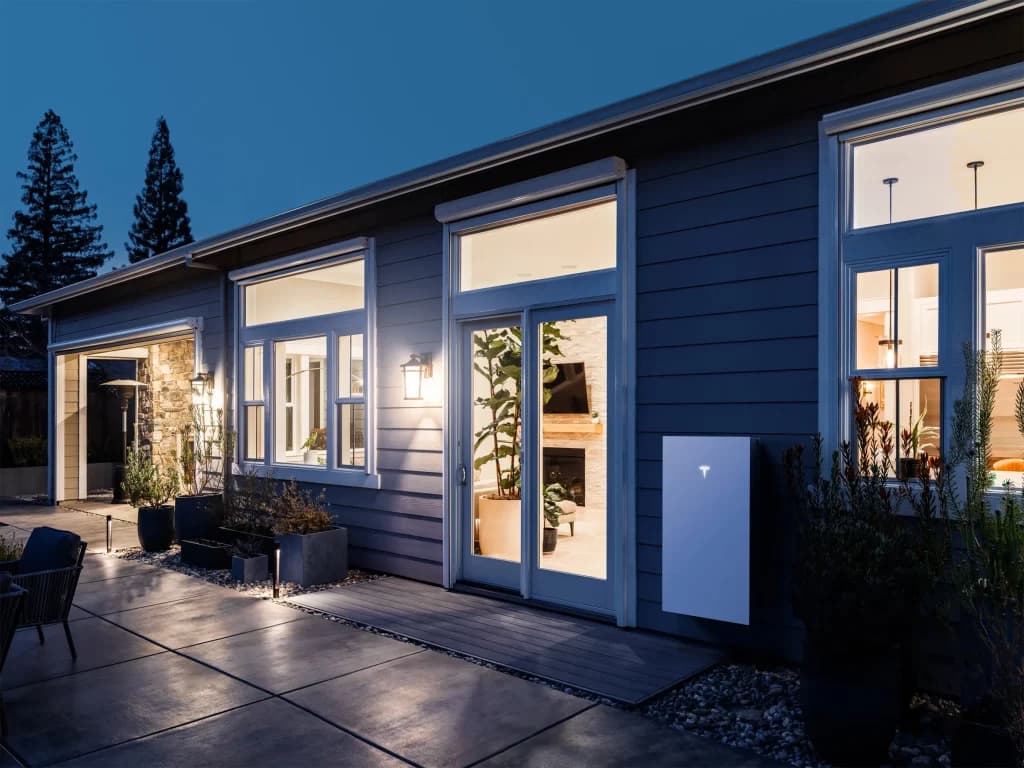
Original installation photo documenting the mounted Powerwall equipment and the surrounding electrical finish details.
Quick Answer
Sandy homeowners often need Powerwall 3 planning that fits established homes, practical retrofit conditions, and a more dependable backup strategy without overcomplicating the project.
Quick Takeaways
Trust Check
Battery and solar pages should help you judge the company, not just the equipment. A stronger proposal makes local work, credentials, reviews, and handoff responsibilities easy to verify.
Ask to see recent Utah battery or solar-plus-storage work with photos, scope notes, and the type of home the system was designed for.
Confirm who is responsible for permitting, electrical work, inspections, commissioning, and any current contractor or electrical license details before approval.
Compare recent homeowner reviews, third-party directory profiles, and warranty response expectations alongside the proposal number.
Why Sandy
Sandy has many established homes where the right energy decision depends on how the existing electrical setup, roof condition, and household priorities come together. That makes battery-first planning especially important. The project needs to fit the house you own, not the house a sales script assumes you have.
That is where Powerwall 3 becomes useful. It gives homeowners a cleaner backup path while still leaving room for long-term solar integration when the home is a fit.
Outage Planning
Some households want the basics carried through an outage. Others want a smoother experience that keeps more of the home functioning normally. That distinction changes the way the system should be designed, especially when larger comfort loads are part of the conversation.
We treat that as a planning exercise first so the final recommendation is grounded in actual performance goals.

Integrated Scope
If the homeowner wants a broader system, solar + battery integration should be designed around the storage plan so the battery remains the strategic center of the project. That gives the homeowner better daily value and a more integrated outcome.
If the roof becomes a limiting factor, roof-readiness support should be handled early and only to the extent it protects the long-term quality of the energy install.
Next Step
The most useful next step is getting clear on outage priorities, electrical fit, and whether the home should stay battery-focused or move into an integrated solar-and-storage scope. That creates a recommendation shaped around the real home.
Sandy Fit Audit
A useful local review separates backup fit, integrated solar scope, and roof timing before a proposal treats them like the same decision.
Backup Fit
A stronger local plan starts by defining whether the home needs essential backup, broader comfort coverage, or a calmer whole-home experience.
See Powerwall 3 Options→System Path
Some homes should stay focused on storage first. Others get more long-term value when solar is designed around the battery from the start.
Explore Solar + Battery→Roof Timing
Roofing should stay in a supporting role, but city-level planning gets cleaner when roof-readiness is settled before a broader system path hardens.
Check Roof Readiness→Best Next Step
If the local picture is still unclear, step into one custom energy plan and sort backup scope, system path, and timing before the quote starts driving the decision.
Local Project Proof
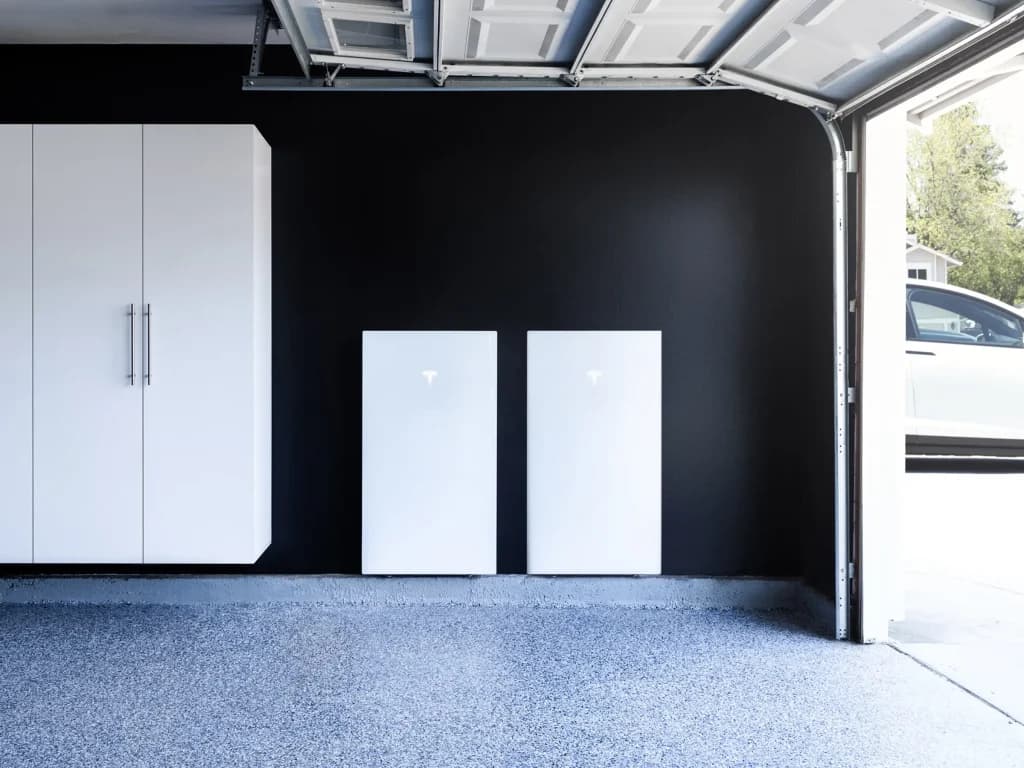
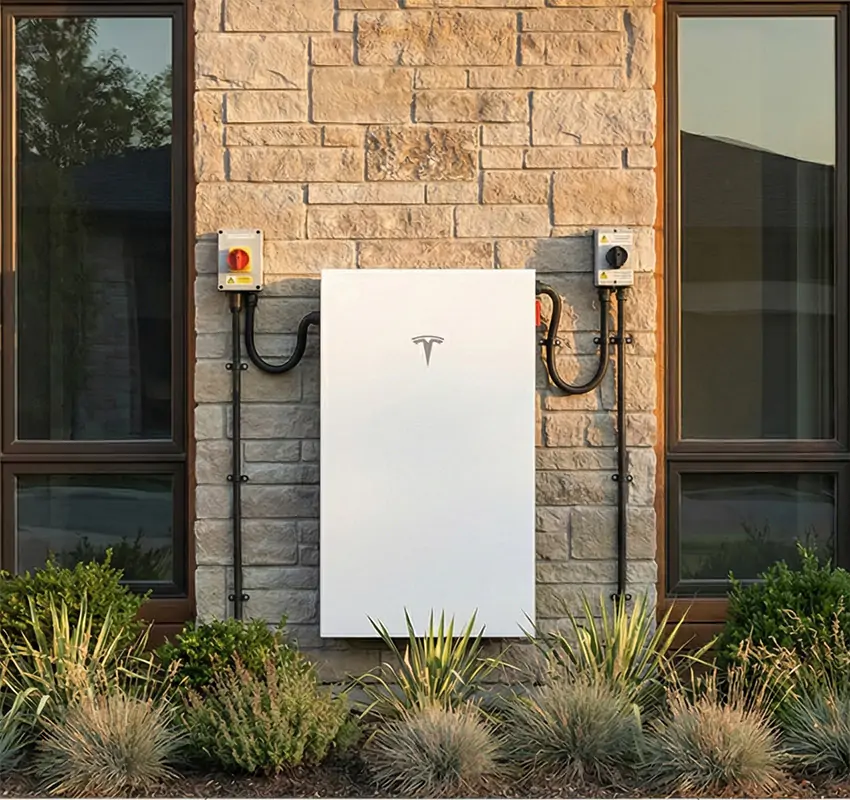
These are real Utah service-area project photos. They support the local planning page by showing finished work, equipment placement, access details, and installation quality without pretending every photo was taken in Sandy.
Original installation photo documenting the mounted Powerwall equipment and the surrounding electrical finish details.

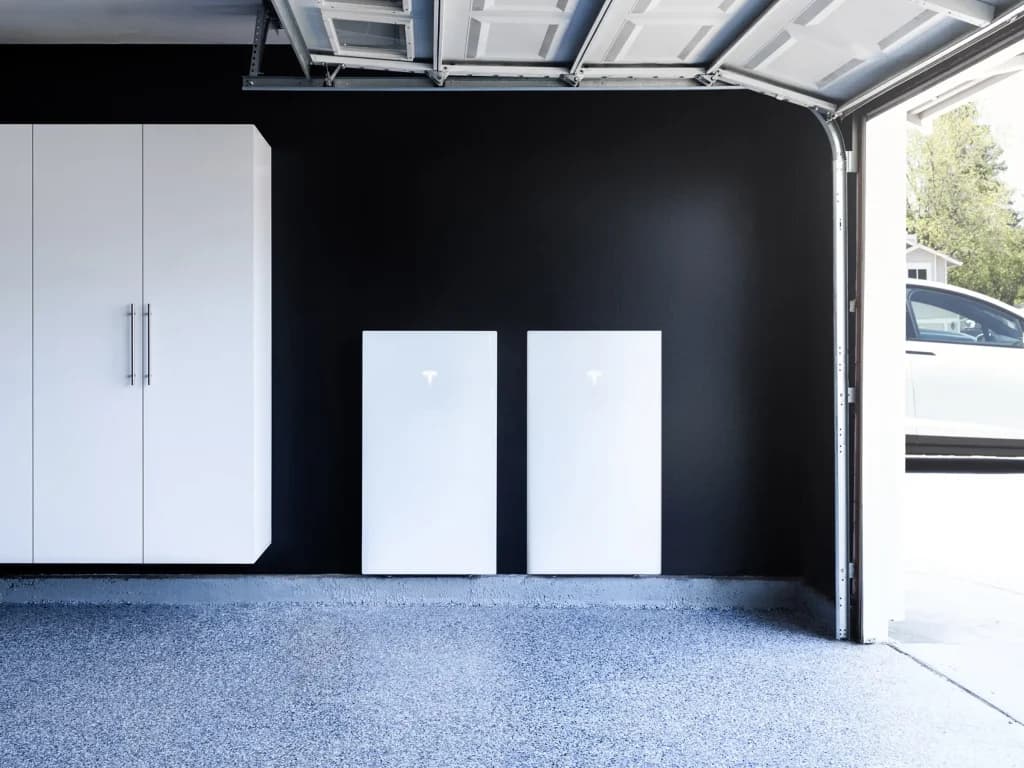
Wider project photo showing how the installed battery equipment sits in the finished home-service area.

Project photo used to review finish quality, access around the equipment, and homeowner handoff expectations.

Original site photo used to plan battery placement, service clearance, and the installation path before equipment is mounted.
Sandy Service Paths
Every home does not need the same proposal. These paths separate battery backup, integrated solar, and roof-readiness so the first conversation starts with the right scope.
Battery-First Path
Choose this when you need clarity on outage coverage, electrical fit, battery count, and how normal the home should feel when the grid is down.
Integrated Path
Choose this when the battery should stay central, but long-term value depends on daily production, storage behavior, and integrated scope.
Support Path
Choose this when roof condition could block or complicate the larger battery and solar plan and that risk needs to be resolved early.
Sandy Next Step
The next move is practical: define outage priorities, project timing, and whether your Sandy home fits a battery-first or integrated system path.
Blueprint Outcome
Fast Start
Add your ZIP and choose the closest-fit path below. We’ll carry these answers into the full wizard so you do not start from a blank slate.
Backup Goal
Solar Timing
Sandy Resource Library
Each city guide connects the buying question to Sandy outage priorities, service paths, and proposal decisions so the next click stays local.
Installer Guide
The right installer questions should uncover load planning quality, backup strategy, solar fit, roof timing, and whether the proposal is actually designed for your home.
Installation Guide
The timeline is shaped by the scope of the project, the home's electrical conditions, permitting, and whether the job is battery-only or integrated with solar.
Cost Guide
A real Utah cost estimate depends on battery count, load coverage, electrical conditions, and whether the project is battery-only or solar plus storage.
Local pages help you compare outage needs, roof timing, and install planning in the Utah market closest to your home.
Next Step
Find the right city page before comparing proposals.
Browse Service AreasCore Services
Service
Battery-first planning for backup power, resilience, and smarter long-term energy control.
Service
Integrated solar sizing and storage strategy designed as one coordinated system.
Service
Roof review and upgrade planning when the project needs it before solar moves forward.
Next Step
Start with your backup goals, utility exposure, and roof readiness. The right recommendation gets clearer fast once the hierarchy is right.