
Orem What Powerwall 3 can run depends on which loads you protect and how normal you want the home to feel
Quick Answer
Is Powerwall 3 the right fit?
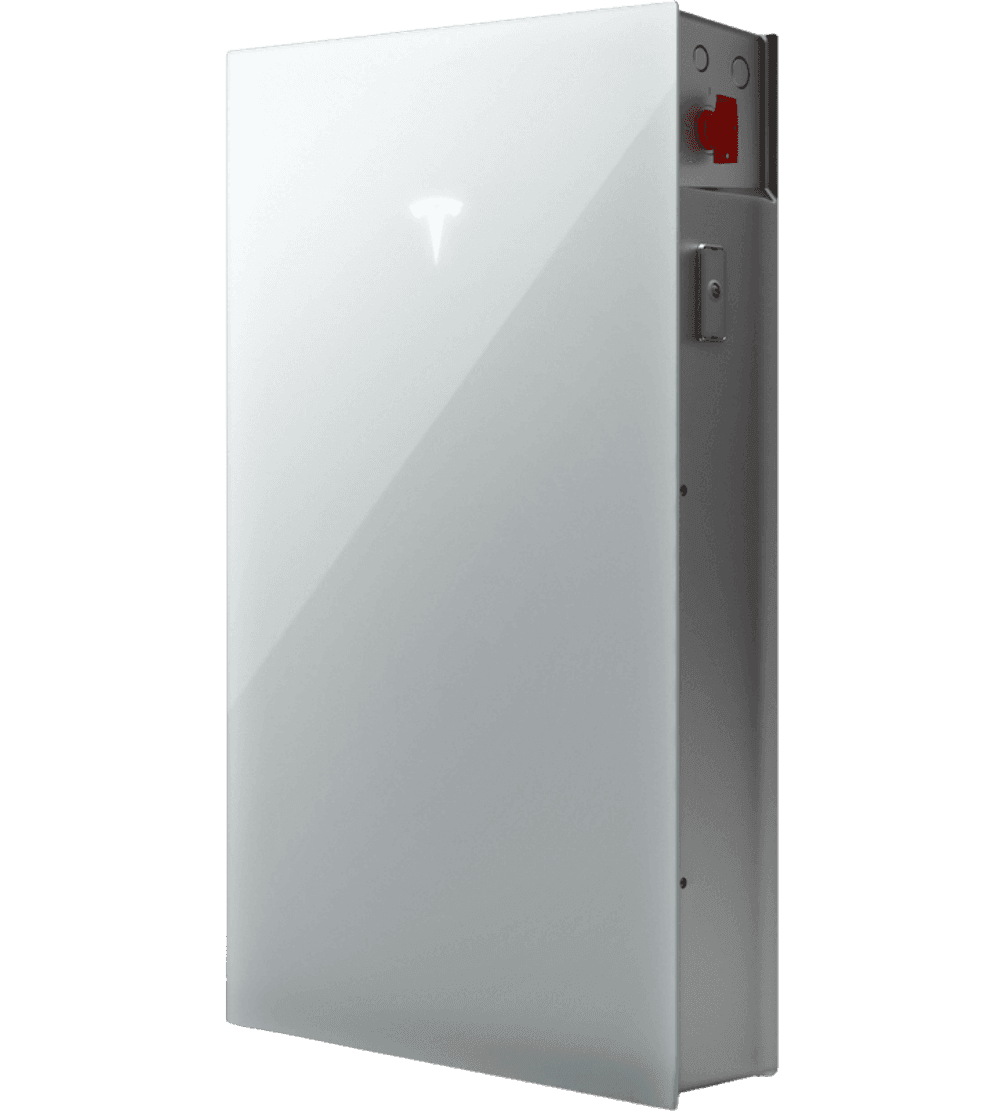
It can support many important residential loads, but the exact list depends on the home's design, battery count, and what other circuits are being protected at the same time.
Quick Takeaways
- Appliance lists are only useful when tied to the overall backup plan.
- Powerwall 3 can support many critical and comfort loads in the right system.
- The right answer is about household performance, not one appliance at a time.
Trust Check
Before you choose an installer, ask for proof that matches the proposal.
Battery and solar pages should help you judge the company, not just the equipment. A stronger proposal makes local work, credentials, reviews, and handoff responsibilities easy to verify.
Local install proof
Ask to see recent Utah battery or solar-plus-storage work with photos, scope notes, and the type of home the system was designed for.
Credential check
Confirm who is responsible for permitting, electrical work, inspections, commissioning, and any current contractor or electrical license details before approval.
Review trail
Compare recent homeowner reviews, third-party directory profiles, and warranty response expectations alongside the proposal number.
Short Answer
Powerwall 3 can run a lot, but the real answer depends on what the household expects during an outage
For Orem homeowners, this guide should answer the research question behind Orem energy planning instead of staying generic. The goal is to tie what powerwall 3 can run depends on which loads you protect and how normal you want the home to feel back to local outage priorities, installation fit, and the right next project lane.
Orem homeowners often need a Tesla Powerwall installer and solar company that can balance practical backup needs, daily energy value, and a clean path into solar plus storage.
Homeowners often ask what Powerwall 3 can run because they want a simple appliance list. The problem is that a list without context is usually misleading. Refrigeration, lighting, internet, outlets, kitchen circuits, well pumps, and selected HVAC loads can all be part of a real backup plan, but what the system should carry depends on the home and the homeowner's expectations.
The useful question is not whether the battery can technically power an appliance once. It is whether the whole protected-load strategy will feel stable and adequate when the grid goes down. That is why the answer always comes back to design.
- Appliance lists are only useful when tied to the overall backup plan.
- Powerwall 3 can support many critical and comfort loads in the right system.
- The right answer is about household performance, not one appliance at a time.
The local version of this guide exists so what powerwall 3 can run depends on which loads you protect and how normal you want the home to feel connects to a real city-level next step instead of a statewide dead end.
What Changes the Load Plan
Heating and cooling, kitchen use, pump loads, and comfort expectations are what change the answer
In Orem, the useful version of this answer is the one that helps a homeowner decide whether to stay battery-first, expand into solar + storage, or clear roof timing before the larger quote process begins.
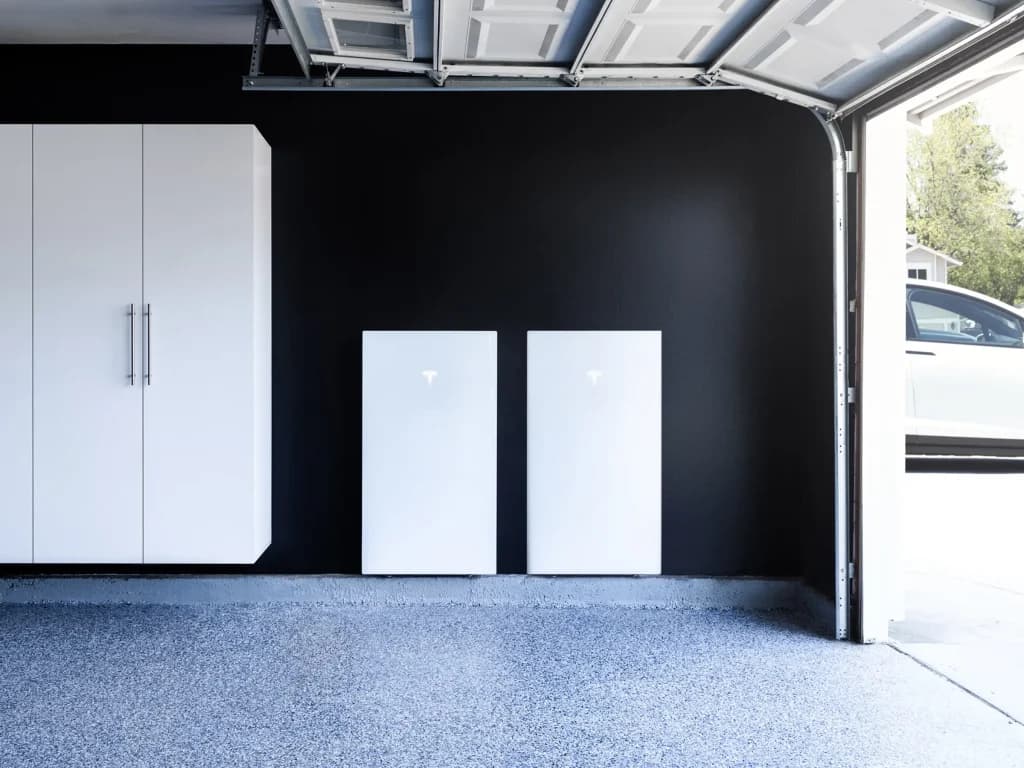
Some homes only need essential circuits like refrigeration, lighting, internet, garage access, and a few convenience loads. Others want a calmer whole-home experience that includes cooking, broader room coverage, or stronger HVAC support. Those are not the same backup designs, which is why battery count, panel strategy, and the protected-load architecture matter so much.
If the homeowner also wants a longer-term solar + battery system, that can improve how the stored energy is used over time, but the immediate question still starts with what the home must carry first.
- Comfort expectations are one of the biggest variables in load planning.
- Larger loads and longer outage expectations can change the battery recommendation quickly.
- The best design protects the right circuits without overpromising the outcome.
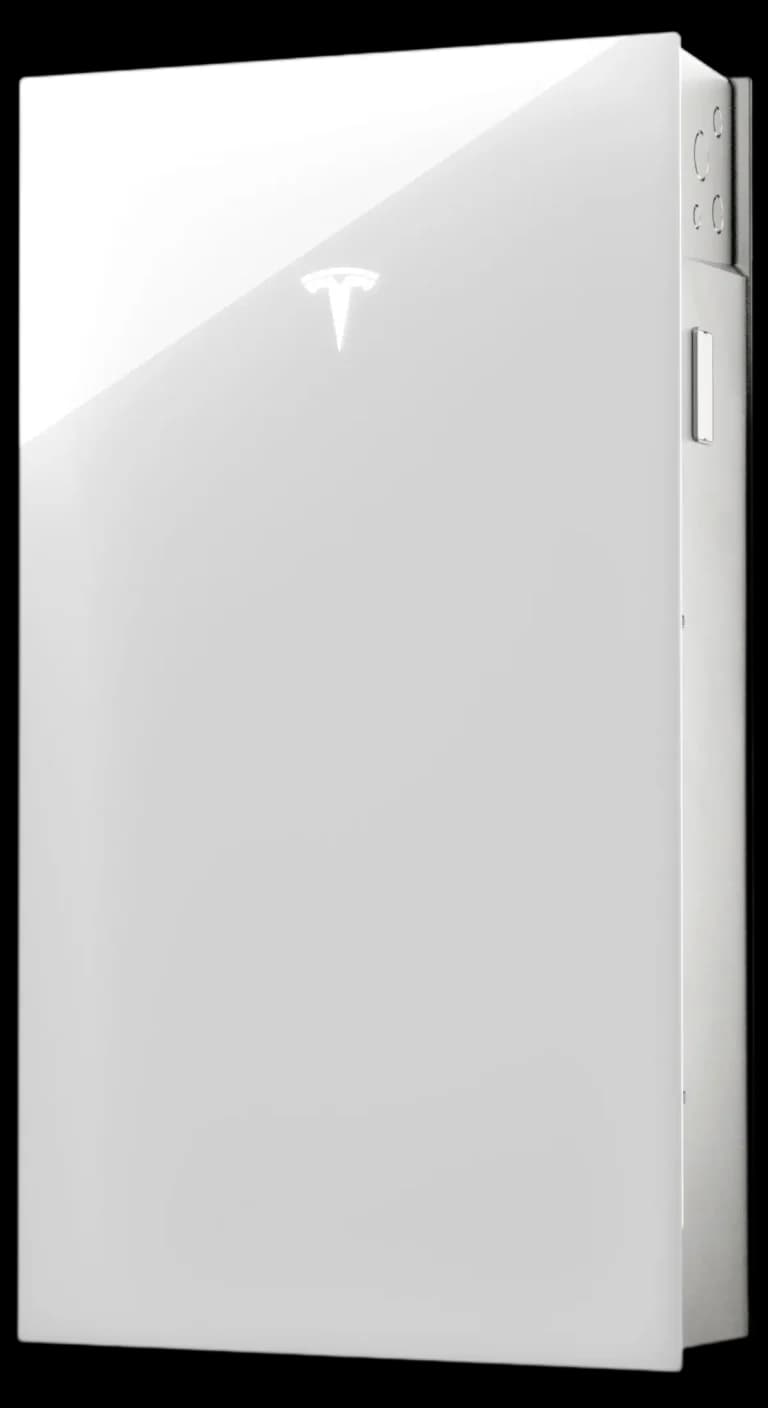
Best Next Step
Start with the loads that matter most instead of asking for a generic battery promise
In Orem, the useful version of this answer is the one that helps a homeowner decide whether to stay battery-first, expand into solar + storage, or clear roof timing before the larger quote process begins.
If you want a real answer, define which circuits must stay on, which comfort loads would meaningfully improve the outage experience, and whether the project is battery-only or part of a larger integrated system. That gives you a recommendation that is useful in the real world instead of only sounding good online.
Homeowners who are focused on cooling should pair this guide with Can Powerwall 3 run AC? before assuming all major comfort loads belong in the first proposal.
- Protected-load planning produces a better answer than an appliance checklist alone.
- Use a custom energy plan to match the battery strategy to the home’s real priorities.
FAQ
Straight answers before you move into a custom energy plan.
What appliances can Powerwall 3 run during an outage?
It can support many important residential loads, but the exact list depends on the home's design, battery count, and what other circuits are being protected at the same time.
Can Powerwall 3 run kitchen circuits and refrigeration together?
Often yes in the right design, but the answer depends on what else the system is being asked to carry and how broad the backup plan is supposed to be.
Why is a protected-load plan better than a generic appliance list?
Because the battery should be designed around how the whole home behaves during an outage. A list of appliances without context often creates false expectations.
Local Planning Context
Keep this guide tied to Orem service area.
This resource should sharpen one buying question, not pull you out of the local path that already fits your home, project timing, and backup priorities.
What this should do next
- Use this answer to compare local proposals against the right backup scope.
- Keep your next step anchored to Orem service area, not a generic statewide package.
- Move into one custom energy plan once this question is clear.
Orem Next Local Paths
Use this answer inside the right Orem project lane.
This guide should sharpen the local decision, not replace it. Move back into the Orem page that fits your actual project scope now that this buying question is clearer.
Battery-First Path
Use the local Powerwall path when backup fit is still the main question.
Return to the local Powerwall path when this guide needs to feed battery count, outage coverage, panel strategy, and installation fit in one cleaner decision.
Integrated Path
Use the local solar + battery path when production and storage need one plan.
Return to the integrated local path when the answer in this guide needs to shape solar timing, storage behavior, and long-term system value together.
Support Path
Use the local roof-readiness path when roof timing can change everything else.
Return to the roof-readiness path when this guide affects whether the roof needs to be resolved before solar and battery scope gets locked in.
Orem More Guides
Keep researching inside the Orem path.
These related local guides are built to move a Orem homeowner from one buying question into the next without dropping back into generic statewide pages.
Battery-Only Guide
Do you need solar for Powerwall 3 depends on whether backup or daily production is the priority
Powerwall 3 can be the right fit without solar, but the long-term value story changes when solar is or is not part of the project.
Installation Guide
How long Powerwall 3 installation takes depends on planning, electrical fit, and whether solar is part of the project
The timeline is shaped by the scope of the project, the home's electrical conditions, permitting, and whether the job is battery-only or integrated with solar.
Local Service Areas
Local pages help you compare outage needs, roof timing, and install planning in the Utah market closest to your home.
Next Step
Browse Service Areas
Find the right city page before comparing proposals.
Browse Service AreasCity service areas
Core Services
Start with the home. Add battery, solar, and roof work only where they make the project stronger.
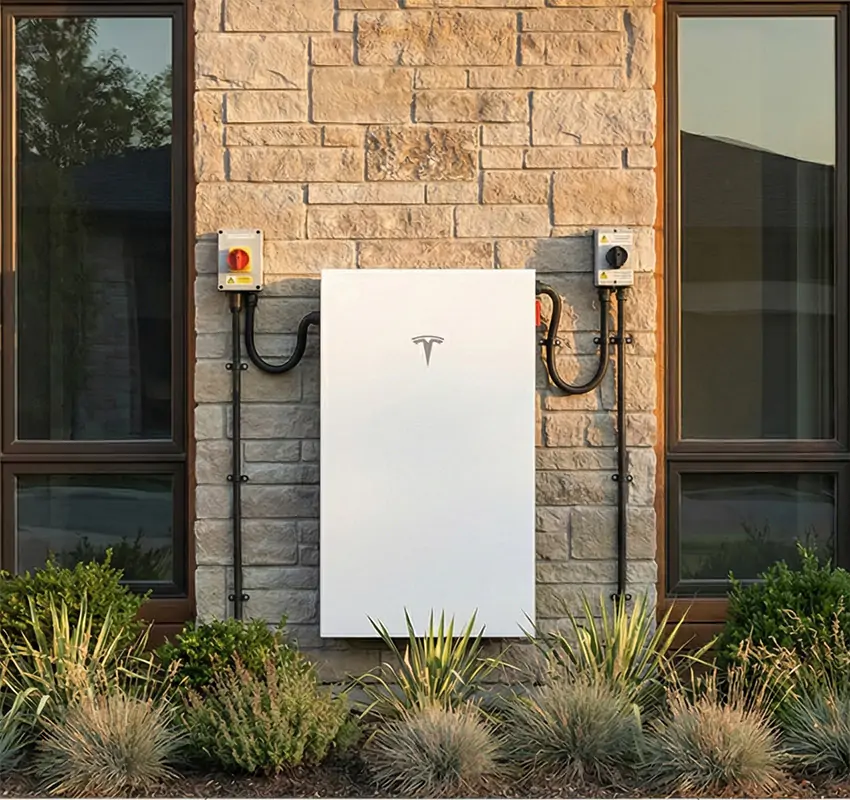
Service
Powerwall 3 Installation
Battery-first planning for backup power, resilience, and smarter long-term energy control.
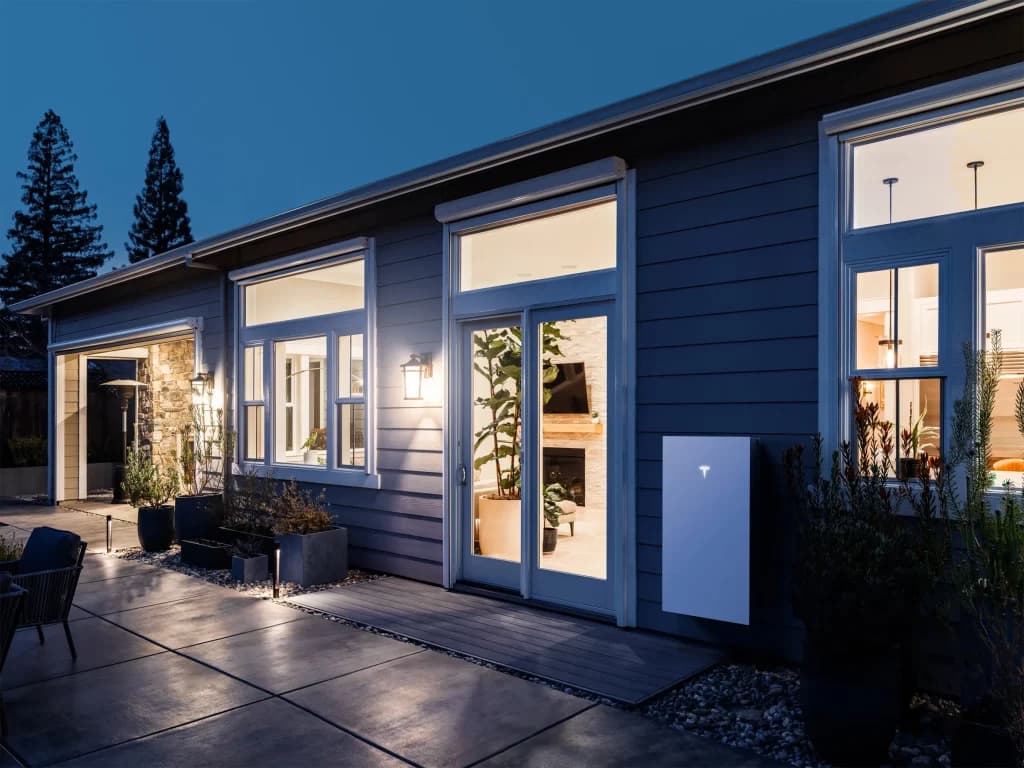
Service
Solar + Powerwall Systems
Integrated solar sizing and storage strategy designed as one coordinated system.
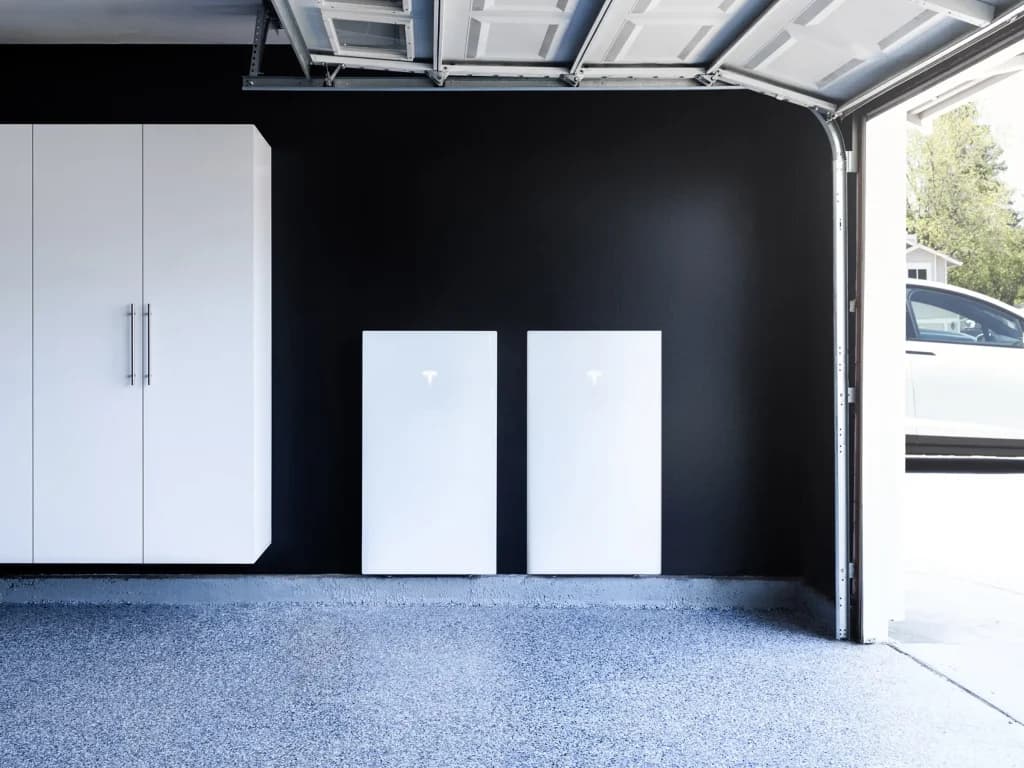
Service
Roofing for Solar Readiness
Roof review and upgrade planning when the project needs it before solar moves forward.
Next Step
Move from browsing to a real system plan.
Start with your backup goals, utility exposure, and roof readiness. The right recommendation gets clearer fast once the hierarchy is right.