

Finished system perspective
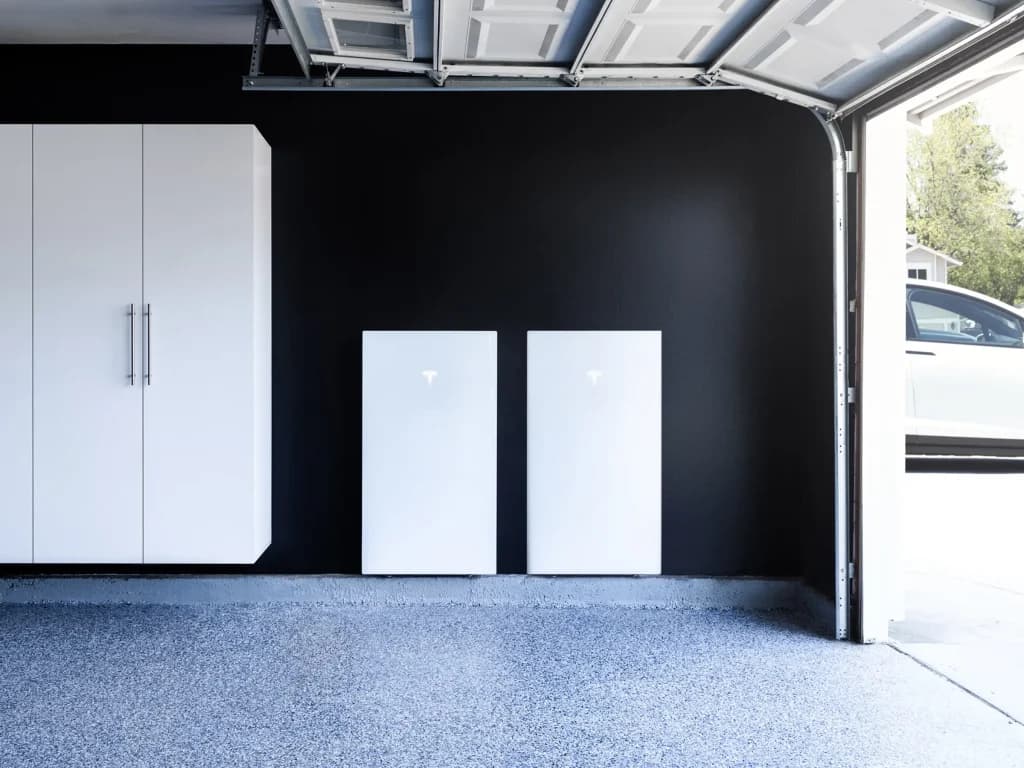
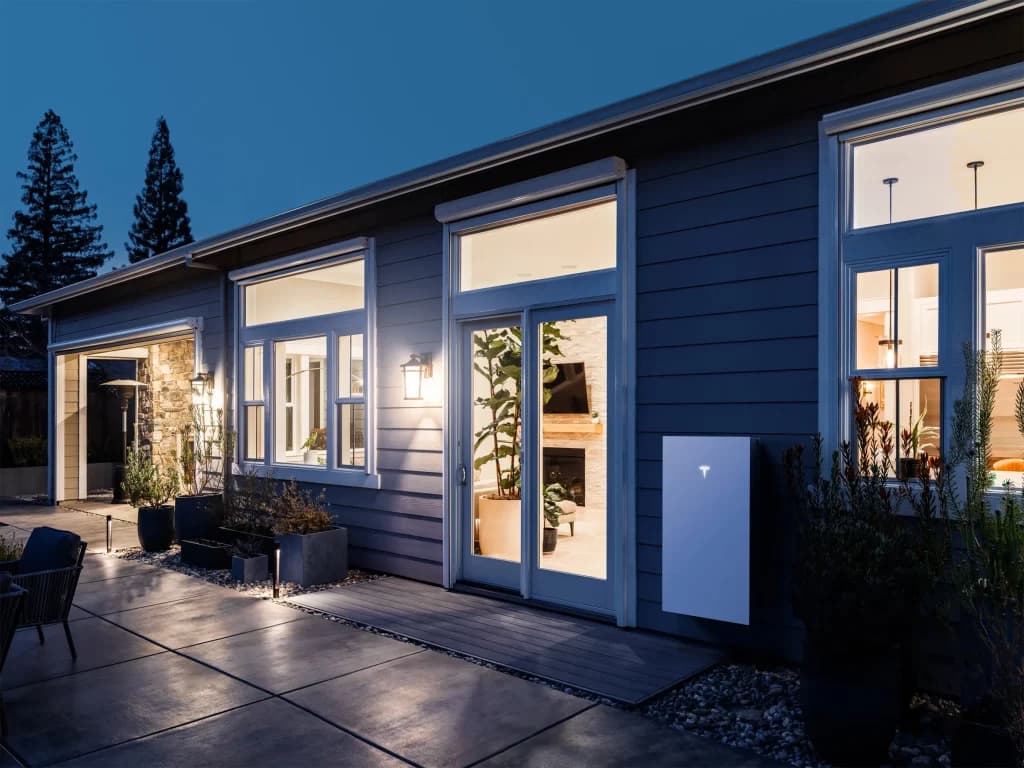
Wider project photo showing how the installed battery equipment sits in the finished home-service area.
Quick Answer
In Park City, solar battery installation should start with storage behavior, outage priorities, and how the home actually uses energy. Solar works best when it strengthens the battery plan instead of competing with it.
Quick Takeaways
Trust Check
Battery and solar pages should help you judge the company, not just the equipment. A stronger proposal makes local work, credentials, reviews, and handoff responsibilities easy to verify.
Ask to see recent Utah battery or solar-plus-storage work with photos, scope notes, and the type of home the system was designed for.
Confirm who is responsible for permitting, electrical work, inspections, commissioning, and any current contractor or electrical license details before approval.
Compare recent homeowner reviews, third-party directory profiles, and warranty response expectations alongside the proposal number.
Local Utility + Usage Context
In Park City, the strongest solar + storage projects are the ones that begin with battery strategy, not panel count. Homeowners here are usually solving for mountain weather, seasonal occupancy, and homeowners who place a higher premium on resilience and remote confidence, and the solar side only adds real value when it improves what the battery can do across the day and during outages.
That is why we position solar + battery systems as one integrated decision. The production side should support stored-energy behavior and homeowner priorities from the start.
For the broader local market fit, see Park City service area planning.
Neighborhood + Home Fit
The strongest candidates are usually premium homes, second homes, and properties with comfort systems that make outage planning more important. These homes benefit from integrated planning because the homeowner is not only looking for backup, but also for better self-consumption, cleaner energy use after sunset, and a system path that stays coherent over time.
That fit review also helps determine whether the project should be installed as a single phase now or staged to match timing, roof condition, or budget realities without breaking the long-term design.

Install Considerations
In Park City, a strong integrated design usually requires attention to cold-weather resilience, specialty loads, and designing for a dependable backup experience even when the home is not occupied full-time. That planning work determines whether the homeowner gets a system that captures energy well in the daytime and still performs the way they expect after dark or during outages.
using solar to improve stored-energy performance and resilience rather than treating it as a separate production story. If the project depends on the roof being ready for a long-term solar asset, roof-readiness support should be handled early instead of treated like an afterthought.
Local CTA
The next step is not guessing at panel count. It is clarifying backup goals, daytime usage, battery behavior, and whether the home's roof and electrical setup support the full system path now. That creates a cleaner proposal and a more defensible buying decision.
Homeowners comparing storage-only versus integrated scope should also review Powerwall 3 planning first so the battery remains the strategic center of the project.
Integrated Scope Audit
Integrated proposals get weak fast when solar and storage are treated like separate sales. The local quote should explain the battery role, solar role, and roof timing together.
The proposal should explain what the battery is being designed to do before the solar array size becomes the headline.
A better quote makes it clear how production improves the daily value and long-term behavior of the storage system.
If roof-readiness or phasing affects the project, that should already be visible in the local recommendation instead of surfacing later.
Best Next Step
If the local proposal still leaves room for interpretation, the cleaner move is to step back into a custom plan, confirm the path, and then compare numbers after the scope is coherent.
Local Project Proof
These are real Utah service-area project photos. They support the local planning page by showing finished work, equipment placement, access details, and installation quality without pretending every photo was taken in Park City.
Wider project photo showing how the installed battery equipment sits in the finished home-service area.

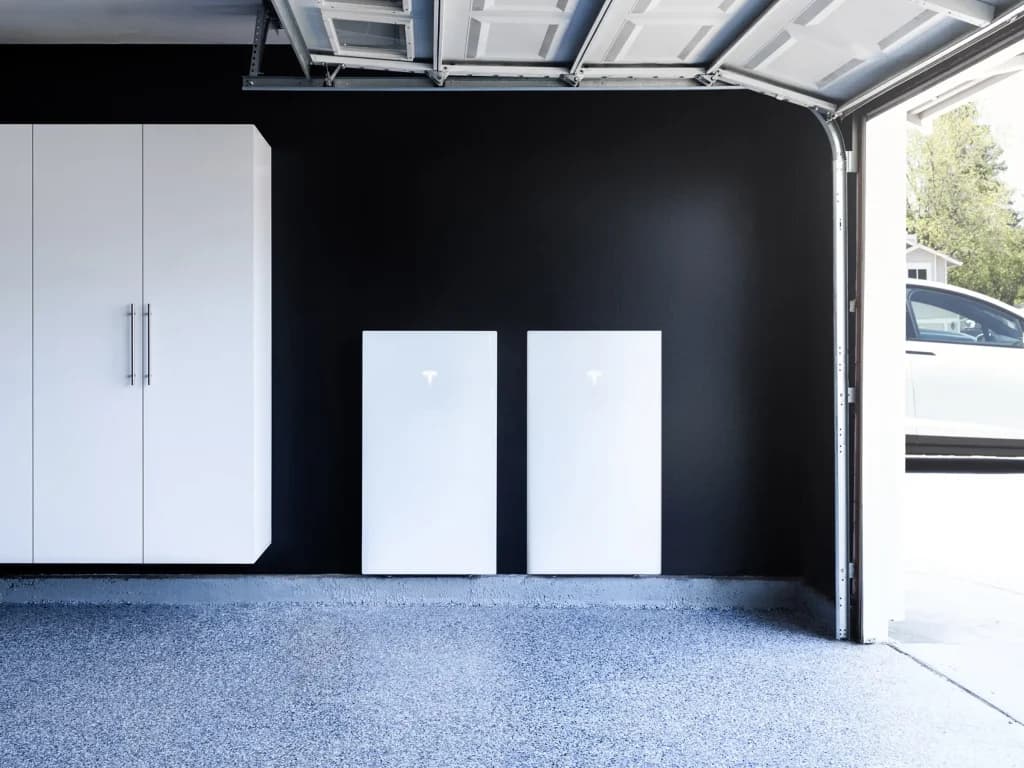
Project photo used to review finish quality, access around the equipment, and homeowner handoff expectations.

Original site photo used to plan battery placement, service clearance, and the installation path before equipment is mounted.

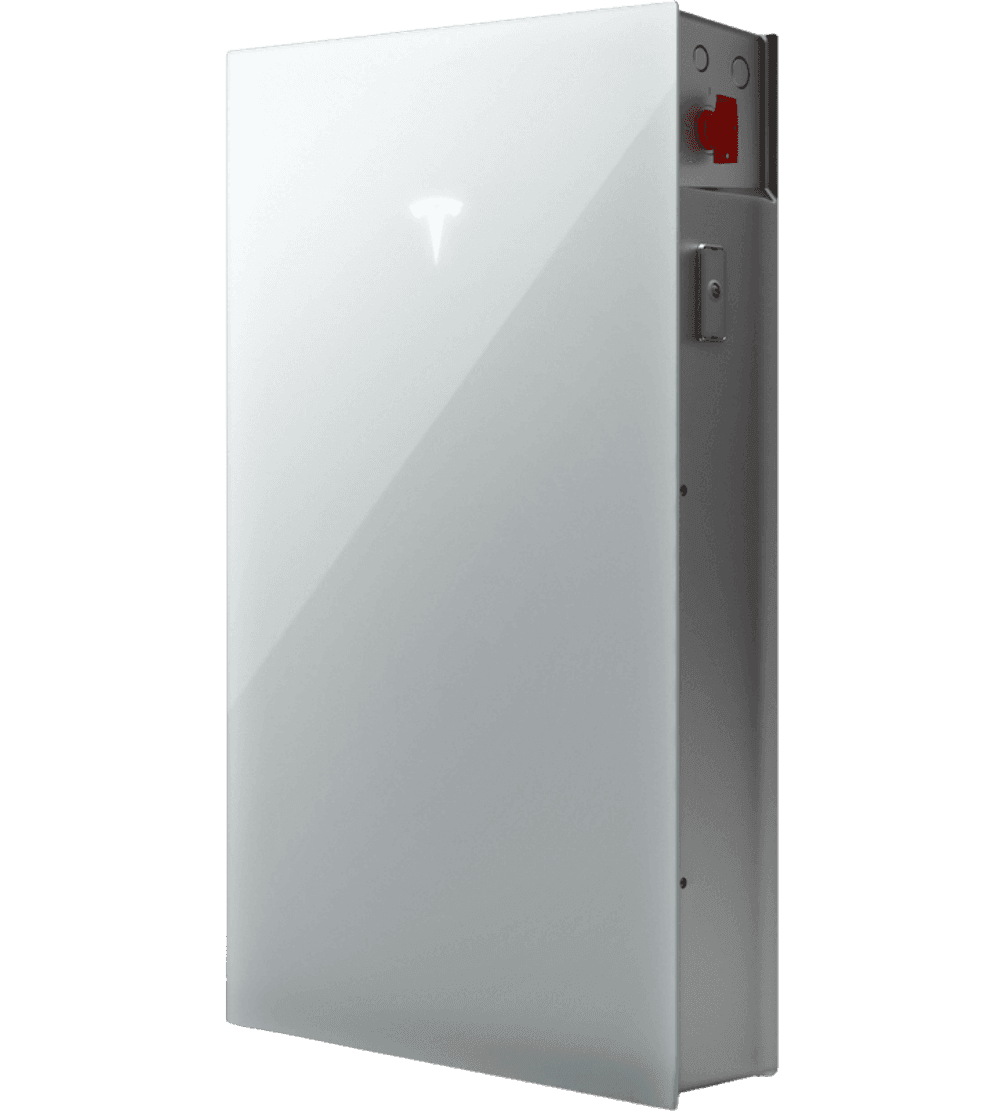
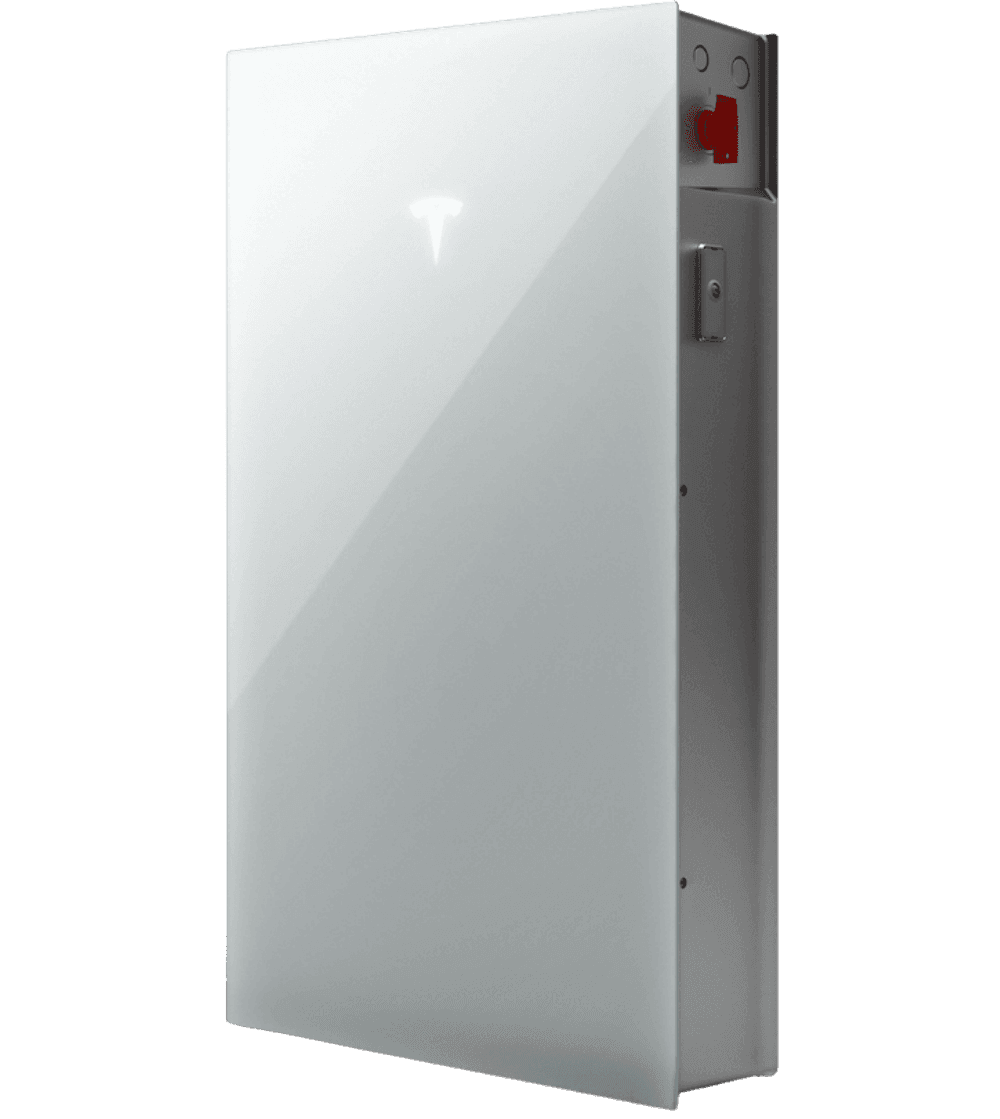
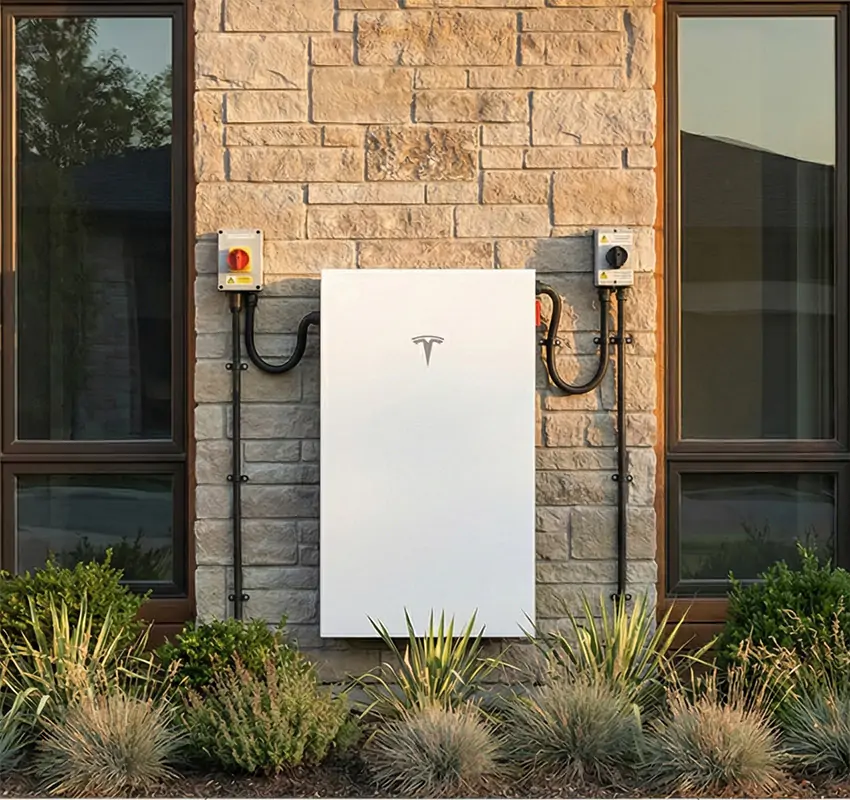
Finished Powerwall installation photo showing the installed battery, conduit path, and clean wall-mounted handoff.
Park City Related Paths
Compare the related Park City service options when your project may need battery backup, solar pairing, or roof-readiness reviewed together.
Park City
Review this path when the main question is backup depth, battery count, and what the home should still run during an outage.
Park City
Review this path when roof condition could affect the timing, warranty, or quality of the larger energy project.
Park City Solar Battery Installation
The next step is a custom plan that clarifies fit, timing, and whether the home needs battery-only backup, integrated solar, or supporting roof work.
Blueprint Outcome
Fast Start
Add your ZIP and choose the closest-fit path below. We’ll carry these answers into the full wizard so you do not start from a blank slate.
Backup Goal
Solar Timing
Park City Solar Battery Installation Guides
These local guides connect pricing, fit, and scope questions back to the same Park City project decision.
Battery-Only Guide
Powerwall 3 can be the right fit without solar, but the long-term value story changes when solar is or is not part of the project.
System Comparison
Some homes need battery-first backup now. Others benefit more from an integrated solar and storage design. The best path depends on timing, roof fit, and energy goals.
Fit Guide
Powerwall 3 is a strong fit when the home needs cleaner backup, better daily energy control, or a battery-first path into solar and long-term resilience.
Local pages help you compare outage needs, roof timing, and install planning in the Utah market closest to your home.
Next Step
Find the right city page before comparing proposals.
Browse Service AreasCore Services
Service
Battery-first planning for backup power, resilience, and smarter long-term energy control.
Service
Integrated solar sizing and storage strategy designed as one coordinated system.
Service
Roof review and upgrade planning when the project needs it before solar moves forward.
Next Step
Start with your backup goals, utility exposure, and roof readiness. The right recommendation gets clearer fast once the hierarchy is right.